Introduction and objectives
The Medical Science Liaison (MSL) role has emerged as a sought-after career path in the pharmaceutical industry, attracting professionals from diverse backgrounds who seek continuous learning and aspire to contribute actively to scientific and medical progress.
The MSL role is a profession with a significant impact on the pharmaceutical industry and the broader healthcare ecosystem. While its influence on patients is often indirect, it facilitates clinical data generation, optimizes medical strategies, and drives advancements that can transform clinical practice.
MSLs play a crucial role in identifying knowledge gaps and guiding their companies toward innovative solutions to address unmet medical needs. However, establishing a core set of competencies is vital to ensure that individuals in these roles possess the necessary skills and expertise.
The main objective of this project is to explore the motivations, challenges, and strategies involved in transitioning to the MSL role, particularly for professionals moving from Sales or Marketing positions within the Spanish context.
By analyzing firsthand experiences from industry professionals, this project aims to identify the key skills and competencies required for success, as well as the common hurdles faced during the transition.
In this first article, insights were collected from Marketing professionals who successfully navigated the transition to the MSL role, providing a roadmap for aspiring candidates. To gain valuable insights of professionals transitioning from their previous role as Sales Representatives, we highly encourage you to explore the second article titled “From Closing Deals to Closing Knowledge Gaps: Transitioning from Sales to MSL” for a deeper dive into the detailed results.
Methods
The project began with the creation of a questionnaire divided into four sections. The first section gathered demographic data to characterize the sample. The second section included general questions applicable to both career paths: “From Marketing to MSL” and “From Sales Representative to MSL”. The final two sections contained questions specific to each profile. An Excel template was then developed to efficiently collect the responses.
Once the interview framework was established, the search for industry professionals interested in contributing to the project began. The search and contact with the profiles were mostly conducted through LinkedIn, but connections within our own network were also leveraged.
Once consent was obtained, an appointment was scheduled to conduct the video interview through various platforms.
Data analysis was essential. We used Vizzlo, a data visualization tool (https://vizzlo.com/), to create the graphs, while artificial intelligence (AI), specifically Copilot, helped identify patterns in the interview responses. All data generated by AI were carefully reviewed, and a thorough analysis was conducted by human reasoning.
Results & Discussion
Sample characterization
To better characterize the professional profile that aims for a change to an MSL position in the pharmaceutical industry, the sample characterization was performed together for the whole pool of interviewees, despite their previous experience in marketing or sales department.
Eleven MSLs distributed throughout Spain were interviewed, currently working with bases in Madrid, Barcelona, Valencia, Málaga, and Basque Country, and one person currently working in Germany.
Of the 11 people interviewed, 2 were previously product or brand managers, 6 were previously sales representatives, and 3 were a mixed profile since they had experience in both roles before changing their career path to an MSL position. The mixed profiles were interviewed for both profile-specific blocks of questions within the questionnaire. Therefore, for this article, 5 specific questionnaire answers were collected for the profile “From Marketing to MSL”.
Analysis of the academic backgrounds of the 11 interviewed Medical Science Liaison professionals revealed some variation. Nine percent had completed only a university degree, all in Life Sciences. Another 9% held both a university degree and an MBA. The majority, however, had completed a university degree followed by a master’s degree (45%), or held a university degree, a master’s degree, and also pursued an MBA (36%). None of the interviewees reported holding a PhD (Figure 1).

Figure 1. Academic background of the interviewees. Total n=11.
The interviewees were also asked about their years of experience in the pharmaceutical industry and the types of companies they had worked for. The majority (45%) had 5 to 10 years of experience, while 18% had a more junior profile with 3 to 5 years of experience. Nine percent had 10 to 20 years of experience, and 27% had over 20 years of experience in the pharmaceutical industry (Figure 2).

Figure 2. Years of experience in the pharmaceutical industry by ranges of times. Total n=11.
When examining the duration of their previous roles in the pharmaceutical industry before transitioning to an MSL position, the median was 6 years. After the transition, the average time they had been an MSL was 3 years (median of 2 years) (Figure 3).
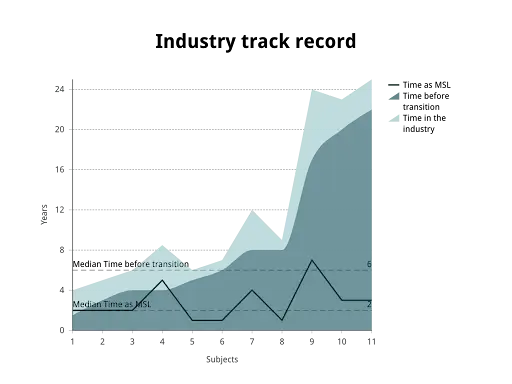
Figure 3. Time of interviewees in the pharmaceutical industry. Time is depicted in years. Axis X represents the subjects interviewed from the most junior profile to the most senior profile.
These results reflect that the transition to an MSL position from another department within the pharmaceutical industry requires, in the first place, some years of experience in the previous position, with people giving the step to the change within a median time of 6 years in our sample.
All the interviewees have worked in multinational pharmaceutical companies throughout their careers, primarily with prescription medicines. Only one individual had previous experience in the consumer health sector, and another had worked with medical devices.
Questionnaire
General questions
The first phase of the interview aimed to capture the main motivations and perspectives on the role, asking the same questions to all MSLs, regardless of their background in marketing or sales.
Have you always wanted to be an MSL?
When asked about their willingness to become an MSL since they started in the pharmaceutical industry, the majority answered yes (55%). The remaining 45% answered no, viewing the MSL role as just another option among many different positions in the industry (Figure 4). Notably, for individuals with over 20 years of experience in the industry, the MSL role was not as popular at the time.

Figure 4. Have you always wanted to be an MSL? Total n=11
What were the main reasons?
When questioned further about their reasons, the interviewees mentioned a strong scientific calling and passion for scientific divulgation, an interest in the medical field for its rigor and relevance, the direct impact on clinicians and patients, and opportunities for continuous learning and professional development.
Regarding the scientific vocation, many mentioned they have always demonstrated a profound interest in science in their academic career and were particularly more prone to scientific divulgation, getting into deeper scientific conversations with medical doctors and explaining complex data. They have also commented on their interest in the medical department since they viewed this department as more scientifically rigorous and with a great impact on their careers as identifying themselves as scientific referents. The impact on the clinicians and the clinical practice was also a main reason, mentioning the possibility to discuss off-label data and being in contact with clinical trials, contributing significantly to patient’s health care. Moreover, the change to the MSL position was also seen by many as an opportunity for learning and professional development. For them, it was a possibility to overcome personal challenges such as the need to stay up to date with scientific data and adapt to new responsibilities specific of the role.
What changed in your vision about the MSL role after you became one? Expectations vs reality.
When asked if their vision of the MSL role before and after becoming one had changed, some interviewees mentioned that their expectations about the role were reached or even exceeded. They feel fulfilled in the role and find it as challenging as they foresaw it to be.
On the other hand, others explained they experienced a change in their perception of the role, having a biased or idealized view of the MSL role from their previous department. They mentioned, for example, how they had to develop their project management skills for developing the medical plan regionally and being responsible for the medical strategy at a local level.
Other challenges mentioned were the deepest knowledge required to carry on the MSL role, as in the pathology, treatment landscape, and competitive intelligence, besides their own products. Other difficulties, such as large territory management and many nights out of home, were also discussed.
They have also highlighted the involvement of the MSL in clinical trials and in the medical strategy, which was not expected before. Now, they feel more capable of seeing the global aspects of the MSL role, which extends beyond one-on-one interactions with healthcare professionals (HCPs).
Which skills or competencies did you need to further develop in the MSL role?
To understand the main challenges regarding the skills needed to be an MSL, the interviewees were asked to choose from eight soft skills related to personal or social abilities that are considered important for the role. The most frequently selected skills, in order, were planning skills, followed by active listening, flexibility, communication skills, emotional intelligence, analytical skills, problem-solving skills, and no one mentioned social skills (Figure 5).

Figure 5. Skills MSLs think they need to develop the most.
Adjusting the calendar to accommodate multiple visits to HCPs, internal meetings, events, travels and family conciliation is the main reason why planning skills were seen as a top skill to develop. This also includes the ability to be flexible when changes to the plan occur. Regarding the lack of mention of social skills, it could be interpreted that social skills were likely already a characteristic of individuals typically pursuing a field position in the pharmaceutical industry. Of note is that most of the interviewees had previously been sales representatives.
In the near future (5 years), do you still see yourself as an MSL or do you plan a change? To which position or department in the pharmaceutical industry would you change if you were to make a new transition?
When asked if the MSLs interviewed would see themselves still in the MSL role in 5 years, the majority (82% vs. 18%) expressed that they would (Figure 6). It is believed that this response is linked to the fulfillment they mentioned, the exceeded expectations, and the professional development discussed earlier.
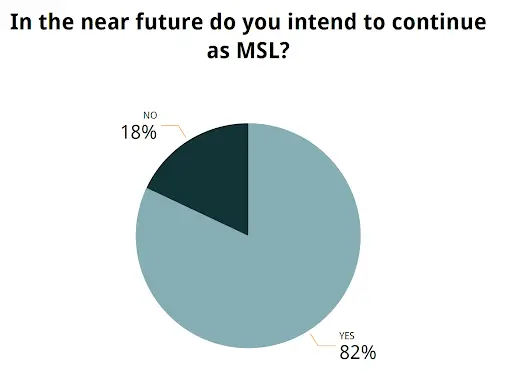
Figure 6. Have you always wanted to be an MSL? Total n= 11.
However, when challenged about which position they would opt for if they hypothetically had to make a change, the answers were predominantly within the Medical department: MSL Manager (n = 5) and Medical Advisor (n = 4). Only one individual envisioned themselves in a different department, specifically the Market Access department. One participant did not provide an answer (Figure 7).

Figure 7. If you had to change positions or departments, what would it be?
Which pathways have you used to access the MSL role?
When questioned about the main channels that supported their transition to an MSL role, the majority cited internal promotion (72%) and the importance of networking (63%). Only three individuals (27%) mentioned digital platforms (e.g., LinkedIn, Glassdoor) as a strategy, with one of them accessing the MSL position for the first time to cover a temporary maternity leave, considering that in many cases entering in a temporary position could be an opportunity for less experienced MSLs.
Marketing questions
In this section, five individuals who are currently MSLs and previously held positions in the marketing department were interviewed. They responded to a total of four open-ended questions:
What was your main challenge in developing the MSL role coming from marketing?
Firstly, four of the interviewees identified the lack of field experience as their main challenge. They explained that in marketing, there is much less contact with physicians, and it tends to happen in more comfortable situations, such as briefing a speaker at a conference. Transitioning to a field role means you need to build trust with physicians and learn the specific vocabulary they use.
On the other hand, three of the interviewees also highlighted the challenge of organizing their schedules completely differently. In marketing, generally, there is a fixed 8-hour office schedule, although during busy periods, working extra hours might be required. In field positions, however, the schedule can vary greatly daily, and good agenda management is key to aligning visits with physicians. Additionally, MSLs often have large territories, which can result in weekly hotel stays, making it difficult to maintain a personal routine.
How would you describe the main differences in how you approach scientific information in your current MSL role compared to your experience in marketing?
In this question, all interviewees agreed that in marketing, information is simplified with a promotional and attention-grabbing approach. In contrast, the medical department’s goal is to inform rather than promote, so the information tends to be more objective, detailed, and based on solid arguments. In this regard, the MSL-physician interaction tends to be deeper and more balanced.
What skills acquired in marketing do you consider to be most valuable in your new role as an MSL?
In this question, various skills were mentioned by the interviewees as being most valuable from their previous role in marketing.
Three of the interviewees emphasized the ability to manage cross-functional projects, which allows them to coordinate multiple tasks simultaneously and collaborate effectively with different departments—something they see as essential in the pharmaceutical industry. Related to project management, three interviewees also mentioned that in marketing, they developed skills in prioritization, synthesis, and problem-solving, which help them a lot in their current MSL role to communicate ideas clearly and concisely and make informed decisions.
On the other hand, two interviewees highlighted the ability to communicate to large audiences as an acquired skill in marketing, which now helps them confidently give scientific presentations to large groups of people.
Lastly, two interviewees noted that their strategic vision and understanding of the commercial department, skills acquired in marketing, have allowed them to better perform in their MSL roles, helping to align scientific and commercial objectives.
What advice would you give to a marketing professional considering transitioning to the MSL role?
In this last question, each interviewee offered a different key piece of advice, suggesting that there is not just one valid path, but rather multiple factors that can contribute (Figure 10).
On one hand, the importance of not having a commercial attitude was emphasized, despite having extensive knowledge of the competitive landscape and promotional messages, as the MSL role must be scientific, objective, and impartial.
On the other hand, one interviewee mentioned the importance of going through sales as a transition from marketing to MSL, as this provides field knowledge and close contact with clients, allowing you to acquire multiple valuable skills.
From another perspective, it was emphasized that the most important factor for transitioning from marketing to MSL is attitude—strengthening your network and expressing your interest and willingness to move into the medical department.
Similar to the previous advice, it was mentioned that transitioning within the same company is usually easier, as you likely have a stronger network and more people within the company are aware of how you work and what your motivations are. A transition from marketing to MSL by changing companies can be more challenging, as you may lack the experience typically required in the medical department.
Lastly, one interviewee suggested getting involved in creating marketing materials, as this requires an extensive literature review and can be viewed positively when applying for an MSL position.
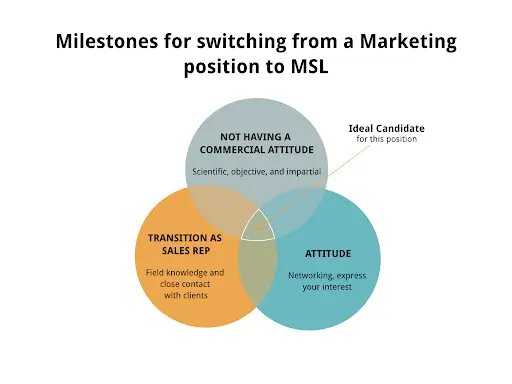
Figure 10. Venn’s diagram with the main milestones mentioned by the interviewees to switch from a Marketing position to MSL.
Conclusion
The findings of this study reinforce that transitioning to the MSL role is a multifaceted process that requires both technical and strategic adaptation but demonstrates a possible route for pharmaceutical industry professionals who come from other backgrounds.
While the transition to an MSL role seems to be possible after some years of experience, the willingness and vocation to a more scientific role were unanimous among the MSLs. The majority of interviewees expressed professional satisfaction, citing intellectual fulfillment and the opportunity to contribute to the improvement of clinical practice as key motivators. Internal promotion and networking were identified as the most effective pathways for securing an MSL position, underscoring the importance of visibility and mentorship within the industry.
Many challenges as improving planning skills were faced, but their previous experience and background in other areas were also of great contribution to their new role. Those from marketing benefit from their experience in strategic thinking and cross-functional collaboration but often face challenges in field engagement and adapting to the scientific rigor of the role.
Ultimately, this project highlights that while there is no single route to becoming an MSL, a combination of scientific curiosity, adaptability, and strong professional relationships can significantly ease the transition. By understanding the expectations of the role and preparing accordingly, aspiring candidates can successfully navigate this career shift and thrive in medical affairs.
About the authors:

Héctor Cuerda López, MBA
Héctor Cuerda is a graduate with honors in Veterinary Medicine and has experience in medical environments and basic research, particularly in neurosciences. He has a deep passion for advancing the pharmaceutical and biotechnology industries, leading him to pursue an MBA and equipping him with a unique strategic mindset. Assertive, proactive, diligent, and resilient, he excels in cross-functional roles where collaboration is essential and execution is key. His commitment to continuous learning fuels his dedication to contributing to innovative, health-improving solutions from a ONE HEALTH perspective. He completed his internship as a Medical Marketing at Laboratorios Uriach and is currently open to work in the pharmaceutical industry.
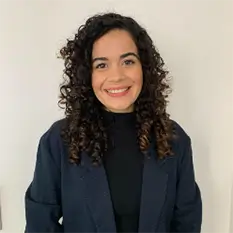
Yasmin Soares de Lima, PhD, MBA
Yasmin Lima is a biologist with a PhD in Translational Medicine from the University of Barcelona and an MBA in the Pharmaceutical and Biotechnology industry from ESAME. Driven by a profound passion for science, Yasmin embarked on an academic career for several years. Her desire to bridge the gap between scientific innovation and patient care led her to transition into the pharmaceutical industry. Currently, she serves as a Medical Science Liaison at Eli Lilly and Company, where she keeps improving her ability to exchange cutting-edge scientific knowledge and foster collaborations that drive progress in medicine.

Bet Jené Vinuesa, MBA
Bet Jené is a biomedical graduate with a strong passion for science and a deep interest in making a positive impact on people’s lives. Her curiosity and enthusiasm for the pharmaceutical industry led her to pursue an MBA, equipping her with a broader understanding of the business and strategic aspects of the sector. She is a proactive, resilient, and empathetic professional, always eager to learn and take on new challenges. After gaining valuable experience through a one-year internship in hematology marketing, she is now further developing her career in the pharmaceutical field as part of a rotational program at Novartis, where she continues to expand her expertise and contribute to innovative healthcare solutions.

Claudia Conesa, MSL, MBA
Claudia Conesa holds a degree in Pharmacy and a Pharma MBA. She has more than 4 years of experience in the Pharmaceutical Biotech industry in the Medical Affairs and R&D department. She is currently an MSL in Amgen, with responsibility in Bone Metabolism, Neuroscience, Inflammation, and Rare Diseases.

Victor Sastre, MSc, MSL-BC
Victor has more than 20 years of experience in the pharmaceutical biotech industry, Medical Affairs, and R&D. Professor in several master’s and Pharma MBA Coordinator. Passionate and author of various publications related to the MSL position. He is currently a Senior MSL Head in Amgen, with responsibility for Bone Metabolism, Neuroscience, Inflammation, and Rare Diseases. Victor has previous experience at Parke-Davis and Pfizer. In 2018, he received the MSL Award of the Year-Outside USA from the MSL Society. Victor is also a Board-Certified Medical Science Liaison (MSL- BC®).
Have an opinion on this article? Send a message to the editor.