
In the fast-changing world of the pharmaceutical industry, Medical Science Liaisons (MSLs) and Medical Affairs play a vital role. They are seen as the third pillar of organizations, alongside R&D and Commercial, according to the McKinsey 2025 Report. MSLs are key in connecting clinical developments to healthcare providers, focusing on patient outcomes, and shaping medical strategies. Their role extends to interfacing with various departments, enhancing the training of sales teams, and increasingly stepping into marketing leadership roles.
Being an effective MSL isn’t just about technical know-how. It’s also about mastering interpersonal skills such as emotional intelligence, the ability to lead without authority, and having a strong leadership presence. These skills help MSLs manage complex relationships, build consensus, and establish credibility inside and outside of their organizations.
This article explores how emotional intelligence, leadership presence, and influence are critical for MSLs. It provides insights and practical tips for developing these skills to improve stakeholder engagement, navigate complex dynamics smoothly, and exude confidence and leadership.
The Impact of Emotional Intelligence
The term emotional intelligence (EQ) was introduced by psychologists Peter Salovey and John Mayer. It was popularized by Daniel Goleman in his book “Emotional Intelligence: Why it Matters More than IQ. Emotional Intelligence is defined as the ability to understand, recognize, and control your feelings, and the feelings of others and to react to them suitably.
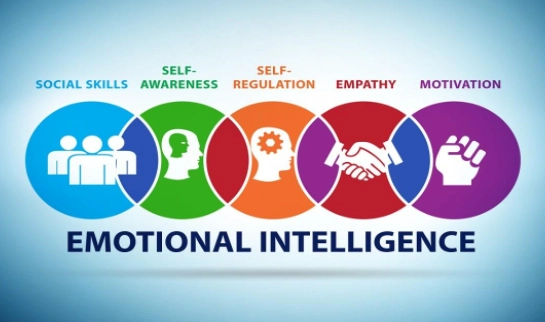
Emotional intelligence (EQ) is crucial for MSLs. It involves understanding and managing your own emotions and those of others and reacting appropriately. It is also a key component of influence. In today’s team-oriented and growth-focused work environment, EQ is a must-have skill.
It enables MSLs to navigate internal discussions about strategies and data effectively, allowing them to adjust their behavior to allow maximal performance. MSLs can develop EQ through self-reflection, training, mentorship, and practicing high-impact behavioral skills.
Cultivating Leadership Presence
Leadership Presence or Executive Presence is the ability to present yourself authentically that inspires and leads others. Leadership presence, as outlined by Carol Kinsey Goman in Forbes, is built on five Cs: confidence, composure, credibility, connection, and charisma. These traits are essential for MSLs to engage persuasively, manage stress, build credibility, connect empathetically, and inspire others. Developing these traits enhances an MSL’s ability to make a significant impact inside their organization and with healthcare professionals.

Concentrate on honing your speaking and communication skills. By applying the previously mentioned five Cs, you can greatly enhance your leadership presence. in communication. Organizations such as Toastmasters provide excellent platforms for developing both speaking and leadership abilities. Programs like those offered by Dale Carnegie also focus on improving public speaking skills. Engaging in roles such as board membership, participating in non-profit work, or being active in the PTA presents valuable opportunities to practice and refine these skills in a supportive setting.
Mastering Influence
Influence is another key skill for MSLs. Influence is the ability to guide others toward an outcome without relying on authority. It allows MSLs to drive organizational change, mentor others, and contribute to a positive work culture. Influence is about using personal interactions to improve understanding, drive innovation, and enhance patient health outcomes. MSLs can build influence through trust, emotional intelligence, effective communication, and a commanding presence.

To improve influence skills, focus on building trust through reliability and honesty, and develop emotional intelligence. Improve communication skills for clearer, more persuasive interactions. Leading by example, being adaptable, and focusing on making a positive impact are key to inspiring others. Learning the art of persuasion, seeking feedback, and being committed to personal and professional growth will motivate those around you. By integrating these practices, you can significantly strengthen your ability to influence within any organization or team.
Conclusion
MSLs play a crucial role in advancing patient care and achieving strategic organizational goals. By focusing on emotional intelligence, leadership presence, and influence, MSLs can build strong relationships, communicate effectively, and lead the way in adopting innovative treatments.

As the pharmaceutical industry evolves, those who develop these non-technical skills will not only advance their careers but also make significant contributions to medical science and patient care. Investing in these competencies is essential for the future of healthcare.
Keith Willis is the President of Core Management Training.
About the author:

Keith Willis
Keith is President and Founder of Core Management Training. He has close to 30
years of experience in the healthcare industry. His experience includes sales, sales
leadership, operations, and sales training in diverse therapeutic areas. Today he
specializes in training & consulting with pharmaceutical companies within the
commercial, medical, and manufacturing teams. Keith is a former Captain in the
United States Army.
Have an opinion on this article? Send a message to the editor.