One of the most challenging yet least discussed aspects of the MSL role is staying physically healthy.
Most MSLs do a lot of sitting – we sit in cars or planes as part of a commute, we sit during presentations, and we sit during stakeholder meetings. Because prolonged sitting has been associated with cardiovascular and musculoskeletal disorders, a MSL may need to make special efforts to increase physical activity while in the field. Below are MSL-specific suggestions to mitigate prolonged sitting.
Driving
Similar to pre-call planning before a KOL meeting, route planning is key to exercising on the road. Seek out notable places to get out of the car and stretch your legs along the route. Come up with a handful of different options that can be tailored to varying times, since traffic and/or weather could impact your plans. If you are in a time crunch, pull over at a viewpoint or historical marker to stand and stretch; if time is on your side, find a park and walk a trail that matches your fitness level (and your outfit).
Flying
A MSL has ample opportunities to increase their steps at an airport. Even with a wheeled suitcase, long concourses can be used to get in more steps while waiting for a flight to board. Instead of sitting near the gate, stand in the vicinity of the gate at an unused check-in kiosk.
Although the length of time that passengers can stand and move about the cabin will vary for any given flight, it is a given that the aisle seat passengers will have readier access to opportunities to move.
Conferences
Many larger conference rooms have tall tables in the back. Standing at these not only minimizes sitting but also provides a broader view of the room and attendees.
If you are with a colleague at a conference, take turns watching each other’s belongings and walk the conference center. Who knows, you may bump into someone you’ve been trying to meet!
Meals
Besides prolonged sitting, MSLs may find themselves in the fortunate position of partaking in restaurant cuisine. Unfortunately, eating out of home often comes with consuming more sugar and fewer nutrients. When dining alone, the MSL may feel more leeway to select a healthier meal, either by utilizing a delivery service or by finding an acceptable restaurant; it is group dining where there may be greater pressure to conform to family-style ordering. In this case, portion control will be your friend. (You don’t have to consume the entire brownie to know that you liked it).
Because MSLs are constantly dealing with ever-changing plans, it is reasonable to assume that your next meal won’t happen as scheduled. To stave off hunger in between meals, have snacks on hand that are easy and nutritious, like carrots or almonds. Packing these before leaving the house will help you to avoid resorting to the preservative-laden snacks found at gas stations and vending machines. Lastly on food, nut butter packets are easily packable and can be a godsend when you are hungry in your hotel room.
1 Adverse Effects of Prolonged Sitting Behavior on the General Health of Office Workers – PMC (nih.gov)
2 Eating out of Home: Influence on Nutrition, Health, and Policies: A Scoping Review – PMC (nih.gov)
Hydration
Absorbing water (staying hydrated) is crucial for a MSL to remain healthy. Water is essential to metabolic and cellular regulation, and a MSL experiencing the dry, recirculating air environment of an airplane cabin needs to be particularly mindful of the need to maintain fluid balance. Bring and refill a water bottle at the airport before boarding the flight. A MSL on the road might also experience extra thirst – in a rental car, you can never count on the temperature controls to work as you’d expect. To save you the stress of needing to unexpectedly stop to rehydrate, keep an extra non-alcoholic beverage in the car based on the International Life Sciences Institute™ suggestions for high-water content drinks:
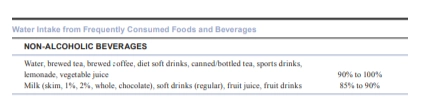
One final reason a MSL should remain hydrated is the potential improvement with portion control.
Putting all of this together, staying hydrated, watching what (and how much) you eat, and minimizing sitting are the three key strategies that will help the traveling MSL stay healthy and capable of navigating the dynamics of the profession.
About the author:

Elise Fields, PharmD, BCPS, CDCES
Elise is a Seattle-based Medical Science Liaison (MSL) working for UCB. Prior to becoming an MSL in 2020, Elise worked directly with underserved patient populations, overseeing a diabetes team and clinical pharmacy programs. She graduated from the PharmD program at the University of Washington and was the first pharmacy student to concurrently complete a certificate in Global Health. She completed a hospital residency and holds board certifications in pharmacotherapy and diabetes education.
In her spare time, Elise hosts a podcast that raises awareness of fertility research.
3The cellular hydration state: a critical determinant for cell death and survival – PubMed (nih.gov)
4Hydration for health hypothesis: a narrative review of supporting evidence | European Journal of Nutrition (springer.com)
5Hydration layout one.indd (iafns.org)
Have an opinion on this article? Send a message to the editor.