The role of the Medical Science Liaison (MSL) is undergoing a significant transformation in 2026. As the healthcare landscape shifts toward more digital, value-based, and data-driven interactions, the traditional model of the MSL is being redefined. Drawing on recent industry data, including the 2023 MSL Society global survey on competencies and the 2026 coliquio report on physician preferences in Germany, it is clear that simply maintaining the status quo is insufficient. To thrive, MSL managers must foster a new set of capabilities that align with the evolving trust and practical needs of healthcare professionals (HCPs).
The Reality of 2026: A Trust-Based Environment
Recent insights reveal a critical ‘Trust-Shift.’ Physicians are increasingly time-poor and inundated with information, yet they still value high-quality, non-promotional medical exchange. The coliquio Facharztreport (2026) highlights that while artificial intelligence (AI) is transforming information gathering, direct contact with pharmaceutical companies—specifically those that provide genuine medical and scientific value—remains crucial.
Physicians are not necessarily rejecting the MSL; they are rejecting irrelevant, ‘sales-driven’ interactions. They want partners who can help them navigate a complex therapeutic landscape. They require actionable insights, concise evidence, and support that respects their limited bandwidth. For the MSL manager, this necessitates a move away from ‘activity-for-activity’s-sake’ metrics toward a framework that emphasizes the quality and relevance of engagement.
Analyzing the Competency Landscape
Data from the 2023 MSL Society report underscores this shift. While core scientific expertise (Product Knowledge, Therapeutic Area expertise) remains the bedrock of the role, MSLs and managers identified a growing need for training in areas that bridge the gap between science and strategy. Key areas for development include:
- Market Access and HEOR: Often the most cited area for training needs, understanding the economic value of a therapy is now as important as understanding its molecular mechanism.
- Communication Clarity & Influencing: As physicians demand more concise information, the ability to synthesize complex data into actionable narratives is paramount.
- Technical and Digital Savviness: MSLs must be comfortable with omnichannel engagement—using virtual meetings, digital platforms, and data analytics tools effectively without losing the ‘human touch’ that defines the MSL-HCP relationship.
Updating the Framework: A Checklist for MSL Managers
To ensure your team remains effective in this changing environment, the competency framework for 2026 should move beyond static lists of tasks and focus on dynamic, outcome-based skills. Below is a checklist for evaluating and updating your current framework:
- [ ] Scientific Value vs. Promotional Hype: Does your team prioritize ‘Medical Value’ (supporting decision-making) over ‘Commercial Presence’? Evaluate whether current training focuses on translating data into patient outcomes rather than just product promotion.
- [ ] Omnichannel Fluency: Can your MSLs seamlessly integrate virtual and in-person engagement? Training should focus on the nuances of hybrid communication and when each mode is most appropriate.
- [ ] Economic & Access Literacy: Does the team understand the health economic reality of their region? Incorporate training that helps MSLs articulate the value proposition of therapies in the context of hospital budgets and insurance coverage.
- [ ] Data Translation Skills: Can your MSLs distill large volumes of clinical research into ‘bite-sized’ insights for time-pressed HCPs? Emphasize the development of digital assets like study snapshots and visual summaries.
- [ ] High-EQ Engagement: As the environment becomes more digital, the MSL’s role as a human connector becomes more valuable. Prioritize coaching in emotional intelligence and cultural awareness to maintain authentic relationships.
- [ ] Data Privacy & Ethics: With increased use of AI and digital monitoring, do your team members understand the boundaries of data usage? Ensure compliance is a proactive part of digital strategy.
Conclusion
The MSL of 2026 is a translator of science, a partner in patient-centric strategy, and a navigator of healthcare complexity. By shifting the competency focus from simple product knowledge to a holistic blend of scientific, economic, and digital proficiency, managers can ensure their teams remain trusted and indispensable partners to the healthcare community. The goal is not just to survive the ‘Trust-Shift,’ but to lead it.
About the author:
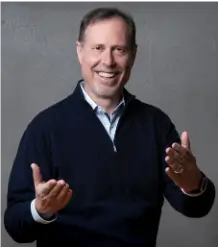
Dr. Hans Joachim Hutt, MD
Dr. med. Hans Joachim Hutt is a former Medical Affairs, Market Access, Governmental Affairs Leader in distinguished pharmaceutical companies as Boehringer Ingelheim, sanofi, Pharmacia, BMS, SPMSD, and LEO Pharma. He is a Medical Doctor from the University of Mainz, Germany, and holds a medical degree from the University of Essen, Germany. After years of medical training in internal medicine and clinical pharmacology, he joined the pharmaceutical industry in 1989.
During his career, he has managed MSL teams with other departments as Regulatory Affairs, Pharmacovigilance, Clinical Operations, and Medical Affairs in Germany, Austria & Switzerland. He has facilitated the successful launch of pharmaceutical products for big and mid-sized pharmaceutical companies. He contributed to evidence generation, guideline appraisal, lifecycle management, and held responsibility/accountability for value-added dossiers and pricing negotiations for new molecular entities.
Dr. Hutt has coached, interviewed, and reviewed the CVs of many aspiring MSLs. His insights and guidance have resulted in MSLs successfully breaking into their first roles and fostering careers within the industry. He has been a keynote speaker and moderated many conferences on various industry–related topics, including creating teams, management, MSL training, and proper utilization of a competency framework used to measure MSL performance.
Dr. Hutt has also served as a resource and consultant on many compliance-related projects for several organizations, including the German Code of Conduct Body (AKG e. V.), chairing a committee assessing audited organizations regarding HCP-/HCO-Compliance. For the German trade association BPI, he acts as a senior expert focusing on patient support programs, medical education, and AI.
He was recently announced as a member of the expert group „off-label“ at the German drug authority and acts as Information Officer according to the German Drug Law. As a consultant, he assesses business plans of start-ups developing digital health applications/devices in Germany and Singapore.
Have an opinion on this article? Send a message to the editor.