One of the most frequent questions I am asked during Medical Science Liaison (MSL) training programs is how many days per week an MSL should engage with Key Opinion Leaders (KOLs) or other health care professionals (HCPs). Engagement may be in-person or virtual, although email communication is excluded from this article. Defining the ideal engagement frequency is challenging because the definition of “KOL” varies across organizations, therapeutic areas, and geographic regions. This variability affects expectations, performance metrics, and the overall interpretation of field effectiveness. Nevertheless, the frequency of engagement remains an essential indicator of the strategic impact of any field Medical Affairs team.
The MSL function continues to expand and evolve beyond its historical focus on KOL engagement. MSL responsibilities vary but typically include cross-functional collaboration, evidence generation support, insights collection, internal training, and contributions to the medical strategy for the product they support. However, despite this broader scope, consistent scientific interaction with external experts remains the core function of the role. The primary purpose of an MSL is to help KOLs and other HCPs make more informed clinical decisions based on published clinical data and real-world evidence while serving as an unbiased medical resource. With limited scientific exchange, MSLs may miss opportunities to fulfill this purpose, demonstrate value, and impact clinical decision-making.
Limited KOL engagement may, in part, be a consequence of restricted access to KOLs. Across more than 80 companies in more than 20 countries where the Medical Science Liaison Society has conducted formal MSL training programs, a recurring concern is KOL access. Whether driven by clinical pressures, institutional restrictions, virtual fatigue, or scheduling challenges, MSLs consistently report difficulty securing time with KOLs or receiving less time per engagement than before 2020. These obstacles make it even more important to understand typical engagement frequency and how it compares with expectations.
A 2015 global MSL Society survey revealed that many organizations expected MSLs to engage with KOLs approximately four days per week. To gain updated insight, I conducted a new poll in November 2025 with 471 global MSL professionals. Respondents were asked how many days per week they engage with KOLs, excluding email interactions. The results are presented below.
Table 1: On average, how many days per week do you speak/engage (in-person or virtually) with a KOL? (not including emails)

Source: Poll Survey conducted in November 2025
While the majority of MSLs engage with KOLs two to three days per week, the proportion consistently reaching four or more days remains small (Table 1). This finding becomes even more meaningful when comparing weekly KOL engagement volume data from the 2024 Global MSL Salary and Compensation Survey.
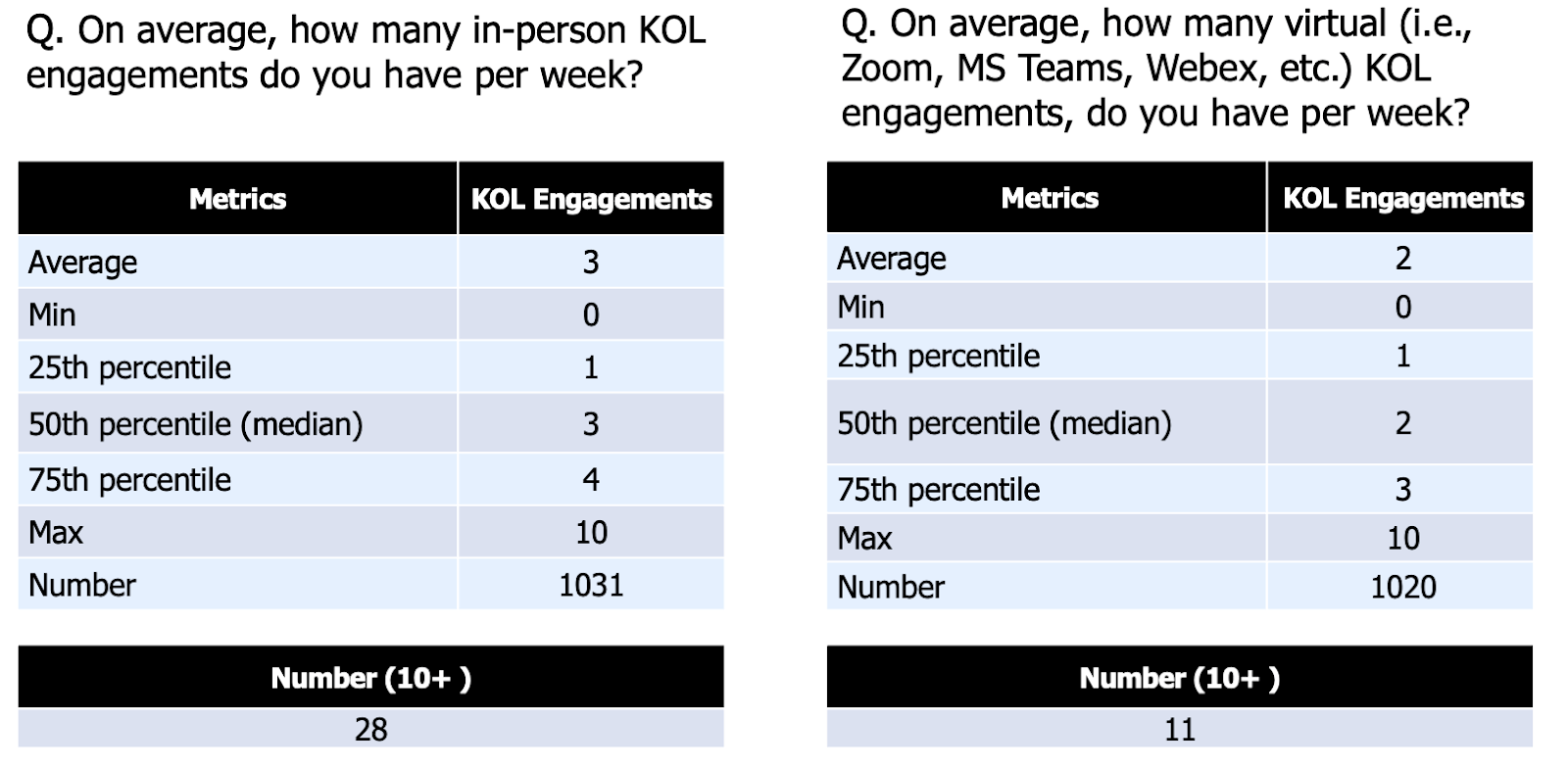
Table 2: Average Weekly MSL/KOL Engagements (In Person and Virtual)
Source: 2024 Global MSL Salary and Compensation Survey
The survey found that on average, MSLs have a total of five KOL interactions (in-person and virtual) per week (Table 2). When compared to the poll results, which revealed that most MSLs concentrate engagement into just one to three days per week (Table 1), a structural imbalance becomes evident. Rather than a steady scientific presence throughout the week, engagements are compressed into narrow intervals, increasing the risk of superficial follow-up, reduced continuity, and missed opportunities for relationship development.
The implications deepen further when examining the number of KOL relationships MSLs are expected to maintain.
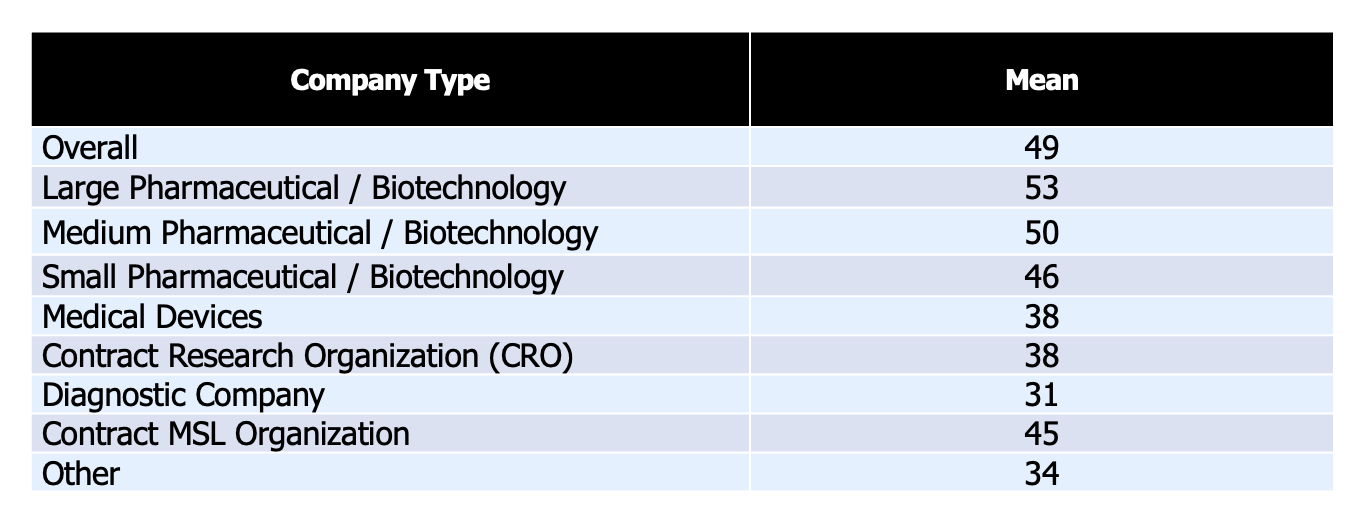
Table 3: How many KOLs do you maintain a relationship with? (i.e., how many KOLs are on your “list” that you engage with regularly throughout the year)
Source: 2024 Global MSL Salary and Compensation Survey
Maintaining an average of forty-nine active KOL relationships while conducting only five total weekly engagements and concentrating those interactions into one to three days per week presents a significant structural challenge (Tables 1-3). If the primary purpose of the MSL is to help KOLs and other HCPs make more informed clinical decisions through unbiased scientific exchange, then an important question must be asked: are MSLs truly being positioned to maximize their scientific impact, or are access constraints, internal administrative load, and competing priorities unintentionally limiting their impact and value?
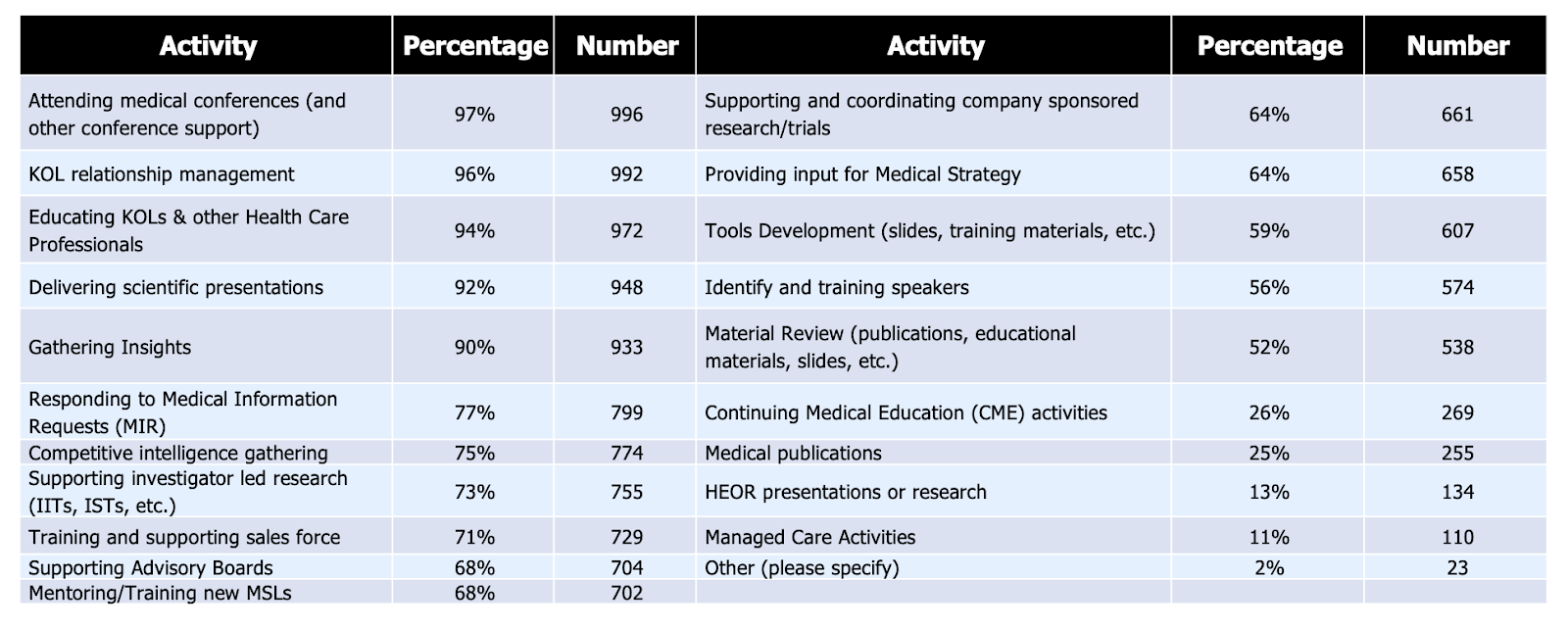
The concern becomes even more evident when examined alongside the primary activities MSLs report performing. The 2024 Global MSL Salary and Compensation Survey demonstrates that nearly all MSL activities focus directly or indirectly on external scientific engagement.
Table 4: Which of the following activities do you participate in? (select all that apply)
Source: 2024 Global MSL Salary and Compensation Survey
These activities highlight the primary purpose of the MSL role. Nearly every typical or core MSL activity depends directly on consistent and meaningful engagement with KOLs. When only one to three days per week are dedicated to external scientific exchange, MSLs are forced to condense complex scientific, strategic, and relational responsibilities into narrow intervals. This compression increases the risk of diminished scientific depth, lower quality or missed insights, and less continuity across interactions. It also limits the ability of MSLs to cultivate value-added relationships over time, which require repeated scientific discussions, progressive trust building, and a deepening understanding of each KOL’s evolving clinical and research priorities.
This pattern also has important implications for performance measurement and internal perception of the MSL role. A recent global survey on the challenges of Key Performance Indicators (KPIs) and metrics for measuring MSL performance revealed that the most preferred method of performance indicators includes the number of KOL engagements (in-person, virtual, phone call), actionable insights submitted, and KOL relationships maintained. Lower engagement frequency may inevitably reduce the visible evidence that Medical Affairs leadership relies on to justify budget allocation, headcount decisions, and the overall strategic influence of MSL teams.
While the data reveals that most MSLs engage with KOLs one to three days per week, maintain nearly fifty active KOL relationships, and conduct an average of five total engagements weekly, it simultaneously exposes a significant tension between expectations and execution (Tables 1-3). If the primary purpose of the MSL role is to support informed clinical decision-making through unbiased scientific exchange, then engagement models, access strategies, and internal prioritization must be realigned to ensure MSLs are structurally enabled, not unintentionally constrained, from achieving their full scientific impact.
These findings do more than describe current performance. They raise foundational questions about how the profession must now evolve.
Provocative Questions for the Future of the MSL Profession
As the Medical Science Liaison profession continues to evolve in response to increasing scientific complexity, operational pressure, and digital transformation, the engagement data presented here should prompt not only an evaluation of current performance but also a critical evaluation regarding the future structure and purpose of the profession.
If most MSLs are engaging with KOLs only one to three days per week, yet are expected to maintain nearly fifty KOL relationships and deliver impact across education, insights, research support, and strategy, what will sustainable excellence look like five years from now?
As artificial intelligence (AI) becomes more integrated into Medical Affairs, will AI meaningfully reduce the internal burden that currently competes with external engagement, or will it create new layers of complexity that further fragment MSL focus?
If virtual engagement continues to expand, will organizations utilize it to increase their total scientific reach and depth of exchange, or will it primarily become a tool for efficiency rather than impact?
As leadership teams increasingly rely on metrics and performance scoring, are current MSL KPIs truly measuring scientific influence and clinical decision impact, or are they still overly weighted toward internal priorities?
Finally, if the primary purpose of the MSL is to enable more informed clinical decision-making through unbiased scientific exchange, how will organizations ensure that the structural design of the role consistently protects and prioritizes this purpose amid expanding internal demands?
These are not theoretical questions. They represent the practical decisions that will shape the value, credibility, and long-term strategic relevance of the MSL profession in an era defined by accelerating science, constrained access, and rapid AI digital transformation.
References
- Dyer, S. J. (2025, November). LinkedIn poll on weekly KOL engagement frequency among medical science liaisons [Unpublished survey data]. Medical Science Liaison Society.
- Medical Science Liaison Society. (2024). Global MSL salary and compensation survey.
- Dyer, S. J., et al. (2024). Challenges of key performance indicators (KPIs) and metrics for measuring medical science liaison performance: Results from a global survey. Pharmacy. https://www.mdpi.com/2226-4787/13/2/51
- Medical Science Liaison Society. (2015). Global survey on the current role, responsibilities, and expectations of medical science liaisons.
- Dyer, S. J. (2023). The medical science liaison career guide: How to break into your first role. Amazon. https://amzn.to/4aoYcZp
- Dyer, S. J. (2024). Medical Science Liaison Job Application Tracking & Interview Self-Evaluation Journal. Amazon. https://amzn.to/49n6MGR
About the author:

Samuel Dyer, MD, PhD
Dr. Samuel Dyer is the CEO of the Medical Science Liaison Society and has over 25 years of international MSL experience. During his career, he has managed MSL teams and operations in over sixty countries across the United States, Canada, Europe, Africa, the Middle East, Australia, and New Zealand. He has facilitated the successful launch of pharmaceutical and medical device products for both Fortune 500 pharmaceutical companies and small biotechnology companies.
Dr. Dyer has coached, interviewed, and reviewed the CVs of countless aspiring MSLs. His insights and guidance have resulted in hundreds of aspiring MSLs successfully breaking into their first roles.
While leading the MSL Society, he has conducted MSL training programs for over 60 pharmaceutical, biotechnology, and medical device companies in more than 15 countries. Dr. Dyer has also written extensively on the Medical Science Liaison profession, including numerous published articles, benchmark studies, and reports. He has been the keynote speaker and moderated numerous international conferences on various MSL–related topics, including creating teams, management, MSL training, proper utilization of MSLs, global trends, and the KPIs and metrics used to measure MSL performance. Dr. Dyer has also served as a resource and consultant on a number of MSL–related projects for several organizations, including McKinsey & Company and Bain & Company.
Dr. Dyer has an MD from Washington University (Health & Science) School of Medicine, a PhD in Health Sciences from Touro University, a Master’s degree in Tropical Biology (where he studied in the Amazon) from Southern Illinois University Edwardsville, and a Bachelor’s degree in Biology from the University of the State of New York. Dr. Dyer also completed a certificate program for Executive Leadership and Strategy in Pharmaceuticals and Biotechnology at the Harvard Business School.
Dr. Dyer is the author of the multi-award-winning and Amazon #1 Best Seller “The Medical Science Liaison Career Guide: How to Break into Your First Role.” The book is the first and only step-by-step guide on how to break into the MSL career (www.themslbook.com). He is also the author of the Medical Science Liaison Job Application Tracking & Interview Self-Evaluation Journal, which is available on Amazon.
Have an opinion on this article? Send a message to the editor.