Healthcare also enters an era of unprecedented digital transformation. Hence, Medical Science Liaisons face both extraordinary opportunities and complex challenges in engaging with Key Opinion Leaders. From an external medical doctor’s perspective, the evolution of KOL engagement represents a fundamental shift from traditional relationship-building to AI-enhanced scientific partnerships that promise to revolutionize patient care.
The “Digital Renaissance” in Medical Collaboration
The pharmaceutical industry stands at a pivotal moment where artificial intelligence is reshaping the very foundations of scientific exchange[1][2][3]. For external medical experts, this transformation represents more than technological advancement. It signals a new paradigm of evidence-based collaboration that transcends geographical boundaries and time constraints.
Today’s healthcare professionals increasingly prefer virtual or hybrid interaction models with pharmaceutical companies, fundamentally reimagining the traditional field-based MSL function[4]. This shift has accelerated the integration of AI-driven insights, predictive analytics, and digital platforms that enable more precise, personalized, and impactful scientific exchanges[5][6].
Building Trust Through Intelligent Scientific Partnership
From the perspective of healthcare professionals (HCP), the most compelling aspect of AI-enhanced KOL engagement lies in its potential to deepen scientific credibility while maintaining the essential human element of trust-building[7][8]. Modern AI platforms can analyze vast datasets from publications, clinical trial participation, and digital engagement metrics to create comprehensive profiles that outline specific needs, preferences, and behaviors of each KOL[2][9].*
This data-driven approach enables pharmaceutical companies to move beyond generic engagement strategies to truly personalized scientific dialogues. For HCPs, this means receiving relevant, timely information that directly addresses their clinical challenges and research interests[10][11]. The transformation from broad-based outreach to precision engagement represents a significant advancement in respecting the valuable time and expertise of medical professionals.
The Power of Predictive Analytics in Scientific Exchange
AI’s predictive capabilities are revolutionizing how pharmaceutical companies identify emerging thought leaders and anticipate future scientific trends[2][9]. This foresight allows early engagement with “rising” KOLs in emerging therapeutic areas, creating opportunities for collaborative research initiatives that might otherwise be missed. For medical experts, this proactive approach means access to cutting-edge research opportunities and the chance to “co-create” therapeutic development from its earliest stages.*
The integration of machine learning algorithms enables real-time sentiment analysis and engagement optimization, allowing MSLs to adapt their communication strategies based on objective feedback[6]. This technological sophistication ensures that each scientific exchange maximizes value for both parties while maintaining the highest standards of medical ethics and compliance.
Virtual Advisory Boards: Redefining Global Collaboration
The evolution of virtual advisory boards represents perhaps the most transformative aspect of AI-supported KOL engagement[12][13][14]. These platforms offer 24/7 accessibility, structured dialogue, and complete security compliance, enabling global participation without the traditional barriers of travel and scheduling conflicts[14].
From an external medical doctor’s perspective, virtual advisory boards provide unprecedented flexibility to contribute to medical innovation while maintaining clinical responsibilities. Research indicates that 97% of KOLs believe virtual participation would not negatively impact their interactions, with 68% noting that avoiding travel reduces risk to patient care[15].
AI-powered moderation assistants enhance these virtual engagements by summarizing discussions in real-time, suggesting conversation focal points, and identifying key insights that might otherwise be overlooked[14]. This technological support ensures that advisory board discussions remain productive and generate actionable outcomes for therapeutic development.
Ethical Foundations in the Digital Age*
The transformation to AI-enhanced engagement must be grounded in robust ethical principles that protect the integrity of scientific collaboration[8][16][17]. The most successful pharmaceutical companies recognize that technology should amplify, not replace, the fundamental values of transparency, mutual respect, and patient-centered focus that define ethical KOL relationships.
External medical professionals expect AI-driven engagement to enhance scientific rigor while maintaining clear boundaries between educational exchange and promotional activities[8][17]. This requires sophisticated compliance frameworks that ensure all AI-generated insights and engagement strategies align with regulatory requirements and professional medical standards.
The integration of blockchain technology and advanced security protocols addresses growing concerns about data privacy and confidentiality, creating secure environments where sensitive medical information can be shared without compromising patient privacy or institutional protocols[2][18].
The Collaborative Imperative
Modern KOL engagement transcends traditional vendor-client relationships to embrace genuine scientific partnerships that benefit all stakeholders[19][20]. For external medical experts, this evolution represents an opportunity to directly impact therapeutic development while accessing resources and expertise that enhance patient care delivery.*
The most effective AI-supported engagement strategies recognize that healthcare professionals seek meaningful collaboration opportunities that advance their research interests, support their professional development, and ultimately improve patient outcomes[8][21]. This requires pharmaceutical companies to invest in understanding the unique motivations and priorities of each external expert, using AI insights to create value propositions that resonate with individual professional goals.*
Looking Forward: The Future Landscape
As we advance into 2026 and beyond, the convergence of AI technology, digital health tools, and advanced analytics will continue reshaping the MSL profession[22][23]. For external medical professionals, this evolution promises more efficient, personalized, and scientifically rigorous collaboration opportunities that respect their expertise while advancing shared therapeutic goals.
The successful integration of AI support in KOL engagement requires a balanced approach that leverages technological capabilities while preserving the human elements of trust, empathy, and scientific curiosity that define the best medical partnerships[24]. The future belongs to organizations that can seamlessly blend digital innovation with authentic relationship-building, creating collaborative frameworks that inspire both scientific advancement and professional fulfillment.
The transformation of KOL engagement through AI support represents more than technological progress. It embodies the pharmaceutical industry’s commitment to evidence-based collaboration that ultimately serves patients and advances medical science. For external medical experts willing to embrace these innovations, the opportunities for meaningful contribution to therapeutic development have never been greater or more accessible.
* Caveats: Any collaboration of pharmaceutical employees with healthcare professionals (HCP) has to address a medical or scientific need or purpose in a transparent way complying with local compliance regulations.
Sources (solely from the internet with the support of perplexity pro):
- https://neolytica.ai/optimizing-kol-engagement-in-pharma-with-ai-solutions/
- https://eularis.com/revolutionizing-kol-dol-identification-with-ai/
- https://www.aissel.com/blog/how-top-kol-management-companies-are-revolutionizing-pharma-marketing/
- https://blog.getvirtualadvisory.com/post/the-future-of-medical-science-liaisons-navigating-the-digital-frontier
- https://www.themslacademy.com/blog/the-evolving-role-of-msls-in-digital-health-2
- https://www.themslacademy.com/blog/navigating-the-future-of-digital-engagement-in-medical-affairs
- https://www.seclifesciences.com/blog/building-kol-relationships-in-medical-affairs/
- https://pmc.ncbi.nlm.nih.gov/articles/PMC8492581/
- https://themsljournal.com/article/transforming-msl-kol-engagement-the-impact-of-personalized-content-and-digital-innovation/
- https://www.linkedin.com/pulse/strategic-kol-planning-engagement-guide-medical-gerd-im9ge
- https://virtualscienceai.com/virtual-science-ai-introduces-new-advisory-platform/
- https://www.aissel.com/blog/the-future-of-virtual-advisory-boards-engaging-kols-in-a-digital-era/
- https://within3.com/application/virtual-advisory-boards
- https://onomi.io/blog/pharma-advisory-board/
- https://pmc.ncbi.nlm.nih.gov/articles/PMC3346205/
- https://www.rpharms.com/Portals/0/Documents/Old news documents/news downloads/200312-guidance-on-collaboration.pdf
- https://www.linkedin.com/pulse/future-digital-transformation-healthcare-key-trends-2025-6azqf
- https://h1.co/blog/the-importance-of-an-integrated-kol-engagement-strategy/
- https://within3.com/blog/pharma-kol-engagement
- https://proventainternational.com/medical-science-liaison-role-and-impact/
- https://themsljournal.com/article/harnessing-emerging-technologies-transforming-the-medical-science-liaison-role-for-the-future/
- https://themsljournal.com/article/ai-powered-msls-transforming-real-world-outcomes/
- https://www.sipherio.com/blog/the-future-of-kol-insights-human-ai-collaboration-not-replacement/
About the author:
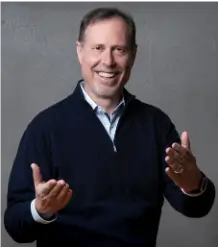
Hans Joachim Hutt, MD
Dr. med. Hans Joachim Hutt is a former Medical Affairs, Market Access, Governmental Affairs Leader in distinguished pharmaceutical companies as Boehringer Ingelheim, sanofi, Pharmacia, BMS, SPMSD, and LEO Pharma. He is a Medical Doctor from the University of Mainz, Germany, and holds a medical degree from the University of Essen, Germany. After years of medical training in internal medicine and clinical pharmacology, he joined the pharmaceutical industry in 1989.
During his career, he has managed MSL teams with other departments as Regulatory Affairs, Pharmacovigilance, Clinical Operations, and Medical Affairs in Germany, Austria & Switzerland. He has facilitated the successful launch of pharmaceutical products for big and mid-sized pharmaceutical companies. He contributed to evidence generation, guideline appraisal, lifecycle management, and held responsibility/accountability for value-added dossiers and pricing negotiations for new molecular entities.
Dr. Hutt has coached, interviewed, and reviewed the CVs of many aspiring MSLs. His insights and guidance have resulted in MSLs successfully breaking into their first roles and fostering careers within the industry.
He has been a keynote speaker and moderated many conferences on various industry–related topics, including creating teams, management, MSL training, and proper utilization of a competency framework used to measure MSL performance.
Dr. Hutt has also served as a resource and consultant on many compliance-related projects for several organizations, including the German Code of Conduct Body (AKG e. V.), chairing a committee assessing audited organizations regarding HCP-/HCO-Compliance. For the German trade association BPI, he acts as a senior expert focusing on patient support programs, medical education, and AI.
He was recently announced as a member of the expert group „off-label“ at the German drug authority and acts as Information Officer according to the German Drug Law. As a consultant, he assesses business plans of start-ups developing digital health applications/devices in Germany and Singapore.
Have an opinion on this article? Send a message to the editor.