Introduction
For decades, Medical Affairs operated within a structured hierarchy, where Key Opinion Leaders (KOLs) were identified through their academic contributions and conference presence. Engagement was largely confined to in-person interactions, reinforcing a top-down model of influence. However, the digital revolution has disrupted this paradigm, flattening traditional hierarchies and transforming scientific discourse into a dynamic, networked exchange. In the rapidly evolving landscape of Medical Affairs, the traditional paradigm of Key Opinion Leader (KOL) engagement, once rooted in academic hierarchy and in-person interactions, has been irrevocably transformed. The digital revolution has not merely introduced new communication channels; it has fundamentally reshaped the very architecture of scientific discourse, demanding a deeper, more sophisticated approach from Medical Science Liaisons (MSLs).
This article delves into the strategic imperative of mastering omnichannel engagement in the era of the Digital Opinion Leader (DOL), offering insights for MSLs to not just adapt, but to lead this new frontier of scientific influence.
The Emergence of the DOL: Beyond Publication to Pervasive Influence
The rise of DOLs represents a profound shift in how scientific information is disseminated, contextualized, and debated. No longer is influence solely the domain of those with extensive publication records or prominent positions at major conferences. DOLs, leveraging platforms such as Twitter, LinkedIn, scientific blogging platforms, and specialized podcasts, have cultivated significant reach and impact by translating complex scientific data into accessible, real-time insights. Their authority stems not just from factual accuracy but from their ability to foster dynamic, interactive discussions that resonate with a broad, diverse audience.
Consider the ripple effect of a single, insightful tweet from a DOL that distills the essence of a complex clinical trial, or a meticulously crafted infographic that demystifies an intricate mechanism of action. These aren’t merely supplemental communications; they are often the initial touchpoints through which clinicians, researchers, and even patients encounter and interpret novel scientific information. For MSLs, this necessitates a fundamental recalibration of their perception of influence. Ignoring the digital sphere is no longer a passive oversight; it constitutes a critical strategic blind spot, hindering the ability to understand real-world sentiment, identify emerging data gaps, and anticipate critical clinical inquiries. The conversations happening in these digital ecosystems are not “noise” but a rich tapestry of unmet needs and evolving understanding.
From Multichannel to Omnichannel: The Strategic Imperative of Seamless Scientific Orchestration
The limitations of a siloed multichannel approach have become glaringly apparent in the age of the DOL. Dispersing content across disparate platforms—email, virtual meetings, in-person visits, social media—without ensuring a coherent, continuous dialogue results in fragmented engagement and diminished impact. Omnichannel engagement, by contrast, is a sophisticated orchestration of scientific dialogue, designed to create a seamless, leader-centric experience.
This isn’t merely about using multiple channels; it’s about intelligently integrating them to build upon each interaction. Imagine an MSL observing a DOL’s nuanced tweet questioning the practical application of new clinical trial data. An effective omnichannel strategy would involve a compliant, value-added response directly within the DOL’s digital ecosystem, followed by a transition to a private, virtual discussion to delve deeper into their concerns. Subsequently, these insights could be strategically integrated into a face-to-face meeting with a traditional KOL, fostering a synergistic exchange where the DOL’s real-world questions inform the KOL’s research agenda, and the KOL’s insights enrich the DOL’s digital discourse. This interconnected approach ensures a continuous, value-driven conversation, moving beyond mere information delivery to true scientific partnership.
Integrating DOLs into a Compliant Omnichannel Framework: Agility, Authenticity, and Ethical Rigor
Effective engagement with DOLs demands a nuanced approach that prioritizes agility, authenticity, and unwavering adherence to compliance standards. The foundational step is robust identification and meticulous listening. This extends beyond simple keyword searches; it necessitates the sophisticated deployment of social listening tools and network analysis to pinpoint influential voices based on the quality of their discourse, the depth of their peer engagement, and the relevance of their content to specific therapeutic areas.
Crucially, value must be provided natively within the DOL’s established digital ecosystems. Rather than attempting to redirect DOLs to preferred, company-controlled channels, MSLs must embrace engagement within the platforms where DOLs already operate and exert influence. This means offering relevant data, connecting them with other experts, and facilitating meaningful scientific discussions in a manner that respects their established digital presence.
Compliance, far from being an impediment, is the bedrock of credible digital engagement. Medical Affairs must proactively develop clear internal guidelines addressing fair market value for any direct engagement, transparent disclosure policies, and a rigorous separation of scientific exchange from any perception of commercial messaging. Internal frameworks must evolve to accommodate the dynamic nature of these new interaction models, ensuring that digital engagement is both impactful and ethically sound. The ultimate goal is to cultivate a synergistic relationship where the questions and insights generated by DOLs inform and are informed by the research agendas of traditional KOLs, with the MSL serving as the critical intellectual node connecting and enriching these diverse conversations.
Cognitive Load and the Architecture of Engagement
The proliferation of digital information presents a significant challenge: cognitive overload. The sheer volume of digital interactions can overwhelm stakeholders, diminishing the efficacy of engagement. MSLs, in this new era, must embrace the role of “cognitive architects,” meticulously structuring information to optimize accessibility, relevance, and retention.
Insights from behavioral economics and communication psychology offer invaluable frameworks for designing engagement strategies that align with human cognitive processing capacities. This involves breaking down complex information into digestible segments, utilizing visual aids effectively, and employing clear, concise language. By reframing interactions not as transactional exchanges of data but as guided cognitive journeys, MSLs can significantly enhance comprehension, facilitate deeper understanding, and amplify the lasting impact of their scientific exchanges.
The Ethics of Digital Influence in Medical Science: Navigating the Nuances
The digitalization of medical discourse introduces a complex ethical landscape, particularly concerning scientific integrity, the pervasive threat of misinformation, and inherent biases. As scientific engagement increasingly transpires on public platforms, the delicate line between evidence-based communication and social influence can blur.
Ethical omnichannel strategies must be built upon pillars of uncompromising transparency, intellectual humility, and proactive misinformation mitigation. This requires MSLs to be adept at critically evaluating digital sources, correcting inaccuracies with evidence-based information, and fostering an environment of open, honest scientific debate. Furthermore, a deeper understanding of medical epistemology – the study of how digital platforms shape scientific understanding and knowledge acquisition – is critical. This provides essential insights into maintaining credibility, countering pseudoscientific claims, and ensuring that digital engagement upholds the highest standards of scientific rigor.
Future-Proofing the MSL Role: Architects of Tomorrow’s Scientific Dialogue
The MSL role is not merely about adapting to current digital trends; it is about anticipating and shaping the next phase of digital transformation. The integration of AI-assisted engagement models, leveraging machine learning for sophisticated sentiment analysis, predictive analytics to identify emerging trends, and personalized content delivery, will fundamentally redefine scientific communication. Blockchain-based verification systems hold the potential to further enhance the credibility and authenticity of shared medical insights, building unprecedented trust in digital interactions.
By proactively embracing these technological innovations, MSLs can transcend their traditional functions and position themselves as true architects of the future scientific dialogue. This forward-looking approach ensures sustained relevance in an ever-evolving landscape, enabling MSLs to continue to be indispensable drivers of scientific progress.
Conclusion: The MSL as the Conductor of Modern Scientific Exchange
The future of Medical Affairs is not solely about knowledge dissemination; it is about the masterful orchestration of scientific dialogue. The emergence of DOLs is not a disruptive force to be contained, but rather a profound expansion of influence, adding rich new dimensions to the symphony of medical engagement. By truly mastering omnichannel strategies, MSLs can transcend isolated, transactional interactions and cultivate harmonized, deeply leader-centric experiences. This strategic evolution will empower MSLs to profoundly and lastingly shape the scientific narrative, solidifying their indispensable role as conductors of modern scientific exchange and accelerating the pace of medical innovation.
Reference:
https://www.iqvia.com/es-ar/library/infographics/transforming-key-opinion-leader-identification (Accessed, May 2025)
https://www.altmetric.com/blog/the-rise-of-the-digital-opinion-leader/ (Accessed, May 2025)
https://www.leapxpert.com/glossary_term/multichannel-communications/#:~:text=Channel%20Fragmentation%3A%20Managing%20multiple%20channels,t%20in%20place%20to%20prevent (Accessed, May 2025)
https://www.tikamobile.com/resources/blog/digital-opinion-leaders-in-healthcare (Accessed, May 2025)
https://blog.zoomrx.com/ferma-engine/ai-in-medical-writing/ (Accessed, May 2025)
Green, A., Wu, S., Di Pasquale, A., & Pang, T. (2025). The Role of Digital Opinion Leaders in Dengue Prevention Through Health Promotion and Public Health Collaboration: Qualitative Semistructured Interview Study. Journal of Medical Internet Research, 27, e70997. https://doi.org/10.2196/70997 (Accessed, May 2025)
https://brand24.com/blog/what-is-social-listening/#:~:text=Influencer%20identification%3A%20AI%20identifies%20influential,and%20engage%20with%20key%20influencers (Accessed, May 2025)
Susser D. (2020). Ethical Considerations for Digitally Targeted Public Health Interventions. American journal of public health, 110(S3), S290–S291. https://doi.org/10.2105/AJPH.2020.305758 (Accessed, May 2025)
About the author:
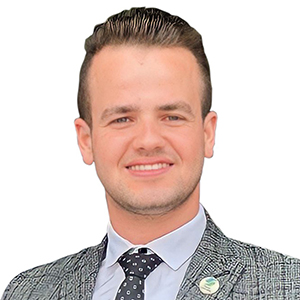
Mahmoud Saleh, PharmB
Mahmoud obtained a bachelor’s degree in pharmacy (Class of 2022) from Deraya University in Egypt. He serves as a Registered Pharmacist at the Ministry of Health and Population in Egypt, and currently works as a Medical Representative at STADA Emerging Markets. Dr. Mahmoud Saleh is a rising voice in Medical Affairs, blending front-line pharmaceutical experience with thought leadership in digital scientific engagement. From his early roles as a sales intern at leading healthcare firms, including Merck, Sandoz, and EVA Pharma, to his impactful tenure as a Product Specialist at Utopia Pharmaceuticals and Field Interviewer at Ipsos, Dr. Saleh has steadily built a career grounded in empathy, precision, and strategic insight.
Dr. Saleh’s advocacy for omnichannel engagement and his emphasis on ethically elevating Digital Opinion Leaders reflect his broader vision: a medical affairs ecosystem driven not just by data, but by accessible insight, strategic empathy, and authentic collaboration. Whether through published research, scientific journalism, or everyday stakeholder interactions, he is steadily composing a future where scientific influence is harmonized, transparent, and deeply human.
Have an opinion on this article? Send a message to the editor.