Introduction
Cangrelor is an intravenous P2Y12 inhibitor indicated as an adjunct to percutaneous coronary intervention (PCI) for reducing the risk of periprocedural myocardial infarction (MI), repeat coronary revascularization, and stent thrombosis. [1] Cangrelor provides immediate platelet inhibition (onset within 2 minutes following administration of a 30 mcg/kg IV bolus, followed by a 4 mcg/kg/min IV infusion), resulting in improved major adverse cardiac event (MACE) outcomes in patients undergoing PCI [1,2]. However, due to its short half-life (about 3–6 minutes), the antiplatelet effect quickly dissipates after discontinuation, making prompt initiation of oral therapy critical to maintain platelet inhibition [1]. Delays or deviations from the labeled dosing and oral P2Y12 inhibitor transition administration instructions may create a window of vulnerability where patients may be inadequately protected from thrombotic events. The most common adverse effect seen with the use of cangrelor is bleeding, and cangrelor is contraindicated in patients with significant active bleeding [1].
The CAMEO registry, a multicenter observational study, revealed variability in cangrelor administration and transition practices. Patients treated per the established strategy had lower rates of bleeding (4.5% vs 6.6%) and MACE (6.3% vs 10.3%). An extension to the CAMEO Registry was granted in Fall 2022 to extend enrollment, increase educational activities, and offer quality improvement (QI) opportunities among participating sites; however, these QI efforts were not available to hospitals not participating in the CAMEO Registry.
To address this gap, the SMART-MSL study evaluated the impact of Medical Science Liaison (MSL)-led education on improving adherence to cangrelor’s established treatment strategy at non-CAMEO hospitals. The hypothesis was that strategic MSL-delivered education would enhance customer understanding, satisfaction, and clinical practice.
Study Design
Hospitals that purchased cangrelor between June 2022 and June 2023 were identified, excluding those in California and those participating in CAMEO. Hospitals were selected based on formulary status and stocking in the cardiac catheterization lab (CCL).
MSLs targeted “superusers,” defined as healthcare providers involved in ordering, preparing, or administering cangrelor. These included interventional cardiologists, CCL staff, nurses, and pharmacists. MSLs prioritized hospitals with cangrelor on formulary and educated superusers across diverse geographic regions.
Engagement began with a standardized email inviting superusers to discuss CAMEO findings. Educational sessions were held virtually or in-person, using Medical Review Board (MRB)-approved materials focused on treatment strategy and common issues. No compensation was provided to participants.
After each session, participants were invited to complete a brief electronic survey via QR code or email link. The survey, developed using medical education literature, assessed satisfaction, relevance, and perceived impact. Response types included Likert scales, checkboxes, and open-text comments. [4]
MSLs documented interactions using Microsoft Lists and Salesforce, tagging SMART-MSL-specific data. A minimum 40% survey response rate was required for publication. [5-6] Uncompleted surveys were excluded. Descriptive statistics summarized responses. Mann-Whitney U tests compared Likert score responses.
Results
Out of 460 invitations, 144 interactions occurred, with 130 yielding Net Promoter Score (NPS) data and 127 complete surveys. NPS, a measure of customer satisfaction, was calculated from responses to “How likely are you to recommend this educational activity?” The overall NPS was 72, considered “excellent.” [7] Virtual sessions had an NPS of 80, while in-person sessions scored 67. Pharmacist interactions scored 75, and other HCPs (healthcare providers, including advanced practice providers, nurses, physicians) scored 100.
Key findings:
- 92% found the content relevant to their practice.
- 95% rated the format as helpful.
- 90% felt better equipped to provide patient care.
- 70% intended to change practice behaviors.
- 91% identified operational barriers.
- 95% reported increased awareness of treatment strategies.
Discussion
The SMART-MSL study suggests that strategic MS-led education may help improve HCP understanding and application of cangrelor’s treatment strategy. High NPS scores across formats and roles reflect strong satisfaction and perceived value. Targeting superusers ensured education reached those most capable of driving institutional change. Standardized, MRB-approved content and structured feedback mechanisms supported consistency and quality.
Virtual education proved highly effective, with higher NPS than in-person sessions, suggesting remote engagement can be impactful when well-executed. The high NPS among diverse HCP roles highlights the importance of multidisciplinary education in optimizing patient care. Survey responses indicated strong alignment with clinical needs and intent to implement changes. Operational insights gained during sessions suggest broader system-level benefits beyond individual practice changes.
Qualitative feedback reinforced the value of MSL professionalism and session quality. Suggestions included earlier engagement during formulary adoption and providing concise materials for frontline staff.
Strengths of the study include standardized materials, real-world hospital settings, and diverse HCP roles, enhancing generalizability. Limitations include reliance on self-reported data, potential response bias, absence of comparator group, and lack of long-term outcome measurement. NPS offers a snapshot of satisfaction, but not direct clinical impact. To our knowledge, and at the time of this writing, there is no comparable assessment published on the impact and customer satisfaction of an MSL-driven educational intervention.
Conclusion
MSLs play a critical role in delivering targeted education that empowers healthcare providers, improves satisfaction, and promotes evidence-based practice. The SMART-MSL study supports continued investment in MSL-led initiatives to enhance clinical outcomes and operational efficiency. Future research should assess long-term practice changes and clinical impact, incorporating pre- and post-intervention metrics and expanding outreach to less experienced institutions and HCPs.
References
- Chiesi USA, Inc. KENGREAL (cangrelor) for injection, for intravenous use: US prescribing information. Cary (NC): Chiesi USA, Inc.; 2022 Aug.
- Bhatt DL, Stone GW, Mahaffey KW, et al. Effect of platelet inhibition with cangrelor during PCI on ischemic events. N Engl J Med. 2013; 368(14):1303–13. doi:10.1056/NEJMoa1300815.
- Rymer JA, Bhatt DL, Angiolillo DJ, et al. Cangrelor use patterns and transition to oral P2Y12 inhibitors among patients with myocardial infarction: initial results from the CAMEO registry. J Am Heart Assoc. 2022;11(1):e024513. doi:10.1161/JAHA.121.024513.
- Rickards G, Magee C, Artino AR. You can’t fix by analysis what you’ve spoiled by design: developing survey instruments and collecting validity evidence. J Grad Med Educ. 2012;4(4):407-10. doi:10.4300/JGME-D-12-00239.1
- Story DA, Tait AR. Survey research. Anesthesiology. 2019;130(2):192-202. doi:10.1097/ALN.0000000000002436
- Fincham JE. Response rates and responsiveness for surveys, standards, and the Journal. Am J Pharm Educ. 2008;72(2):43. doi: 10.5688/aj720243.
- Bain & Company. Net Promoter System & Net Promoter Score [Internet]. Available from: https://www.netpromotersystem.com/. Accessed 30 Jun 2025.
Funding Statement
No funding was provided for the conduct of this research.
Conflict of Interest Statement
Authors are current or former employees of Chiesi USA, Inc.’s Medical Affairs Department.
This article was prepared with the assistance of CoPilot, which was used to shorten a previously prepared, larger article to an appropriate word count for the MSLS Journal.
About the authors:

Janelle O. Poyant, PharmD, BCCCP
Janelle earned her Doctor of Pharmacy from the University of Rhode Island and subsequently completed ASHP-accredited PGY1 and PGY2 Critical Care residencies at Tristar Centennial Medical Center in Nashville, TN and Mayo Clinic in Rochester, MN, respectively. Prior to transitioning to Medical Affairs, she practiced as the Trauma-Surgical ICU pharmacist at Tufts Medical Center in Boston, MA. Janelle is currently a Senior MSL at Chiesi, covering three products in the adult critical care and neonatology space. She finds value in working to help better understand the needs of clinicians, hospital administrators, and patients by identifying gaps in practice and optimizing patient care.
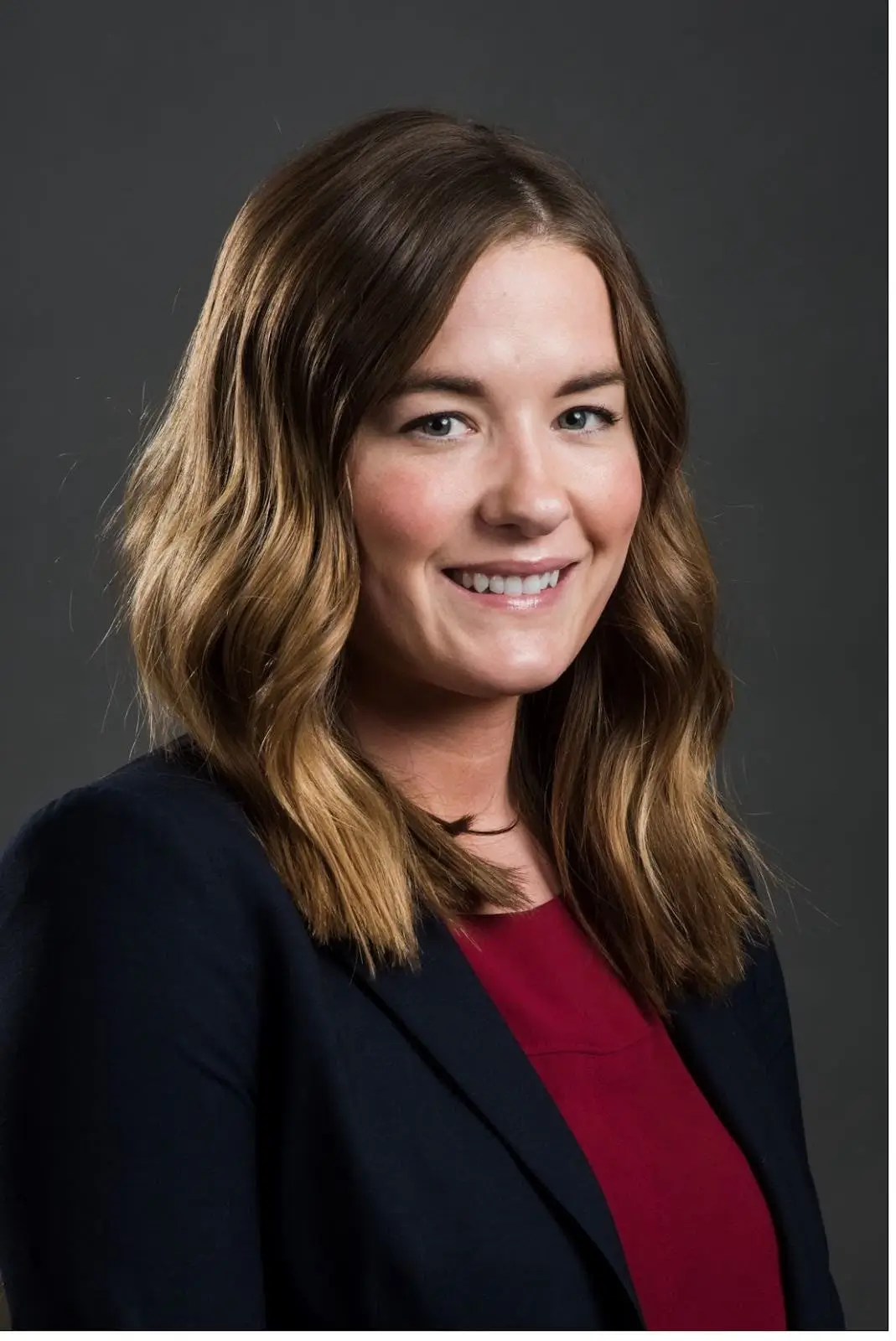
Jacqueline Chaben, BSN, PharmD, BCCP
Jacqueline is a Medical Science Liaison with a strong clinical foundation as both a cardiology nurse and cardiology clinical pharmacist. She brings over three years of experience in the pharmaceutical industry, leveraging her expertise to bridge scientific innovation and patient care. Passionate about innovation and continuous learning, she is deeply committed to improving patient care, educating healthcare professionals, and fostering collaboration across the healthcare community.

Stacy Revelle, PharmD, BCPS, BCEMP
Stacy is a Senior Medical Science Liaison with extensive experience in Emergency Medicine and Critical Care pharmacy. Prior to joining Chiesi USA, she served as an Emergency Medicine Pharmacist at SSM Health Saint Louis University Hospital, where she held leadership positions within the pharmacy residency program and drove clinical excellence initiatives. With over three years in the pharmaceutical industry, Stacy focuses on advancing patient outcomes, delivering education to healthcare professionals, and cultivating strategic partnerships across the medical community.

Victor Rivera, PharmD
Victor Rivera, PharmD, is a Senior Medical Science Liaison at Chiesi USA. Drawing on his experience as an Emergency Medicine clinical pharmacist, he collaborates with healthcare professionals to integrate evidence-based research into practice, enhance clinical decision-making, and advance patient outcomes through meaningful scientific exchange.

Brianne Ritchie, PharmD, MBA
Brianne earned her degrees from Creighton University and completed postgraduate residency training in critical care at Brigham and Women’s Hospital. Guided by a deep commitment to improving outcomes, she built her career as a critical care pharmacy specialist at Mayo Clinic and Nebraska Medicine, where she contributed to patient care, research, and education. In her current role as National Thought Leader Liaison for Chiesi USA, Brianne serves as a strategic partner for healthcare providers in stroke care to foster collaboration and drive innovation that pushes practice forward.

Hijrah El-Sabae, PharmD
Hijrah is an accomplished medical affairs professional with over a decade of experience in scientific communications, research leadership, and cross-functional strategy. She has led scientific symposia at major national congresses and contributed to shaping clinical narratives across various therapeutic areas. Her expertise spans directing FDA regulatory discussions, overseeing multimillion-dollar research programs, and evaluating a wide range of promotional and medical materials, including launch campaigns, speaker decks, publications, and field team resources. Recognized for her strategic mindset, collaborative approach, and problem-solving skills, Hijrah is deeply committed to elevating medical excellence and fostering meaningful scientific exchange.

Doug Wylie, PharmD, BCCCP
Doug is a Medical Science Liaison at Chiesi USA with a background in critical care pharmacy. Before joining the pharmaceutical industry, Doug worked as a clinical pharmacist, where he developed a deep commitment to improving patient outcomes through safe and effective medication use. He is passionate about empowering healthcare professionals, advancing health equity, and promoting education. Known for his curiosity and collaborative spirit, Doug enjoys connecting science with real-world practice to make a meaningful impact on patient care

Steven Ness, DO
Steve is a former U.S. Navy physician who served as the Head Physician for the 11th Marine Regiment, 1st Marine Division, at Camp Pendleton, California. Following his deployment to Iraq and subsequent Honorable Discharge, he transitioned from clinical practice to industry, where he has accumulated more than 20 years of experience in Medical Affairs. He is a co-inventor on six cardiac patents focused on the diagnosis and prognosis of myocardial infarction using cardiac biomarkers. Steve also co-founded a veterinary reference laboratory specializing in advanced diagnostic testing.

Nouran Salem, PharmD, MBA, BCCCP
Nouran is a Medical Science Liaison in Critical Care at Chiesi USA. Prior to joining industry, she served as the Medical/Surgical Intensive Care Unit Clinical Pharmacy Specialist at Cleveland Clinic Abu Dhabi, where she optimized pharmacotherapy for high-acuity patients through close collaboration with multidisciplinary teams and served as the primary Critical Care preceptor for the Pharmacy Residency Program. Dr. Salem is passionate about advancing evidence-based critical care pharmacotherapy, fostering multidisciplinary collaboration, supporting clinical research, and optimizing outcomes in critically ill patients.

Sheena Merwine, PharmD
Sheena is a Field Medical director in the critical care and neonatology therapeutic space at Chiesi USA. She leverages her background as a residency-trained critical care and emergency medicine clinical specialist pharmacist to bridge the gap between industry and clinical practice, with the goal of improving patient care and the healthcare provider experience. Sheena is a certified insights coach and is deeply committed to her field team’s professional growth.
Have an opinion on this article? Send a message to the editor.