The role of the Medical Science Liaison (MSL) has evolved from being a “bridge” between R&D and the field to becoming a strategic pillar of Medical Affairs. In no area is this transformation more visible than in rare diseases. Here, where patient populations are small, awareness is low, and therapeutic options are scarce, every interaction carries disproportionate weight. For MSLs, rare diseases represent both a challenge and a privilege: the opportunity to contribute where science and unmet need are most tightly intertwined.
A journey shaped by rarity
My career as an MSL began in acute myeloid leukemia (AML) with a specific rare genetic mutation, an area where innovation moves at remarkable speed. Later, I worked in Wilson disease and sickle cell disease (SCD), where awareness was limited, resources scarce, and patients often faced long delays before diagnosis or adequate care. Today, my focus is on thalassemia and pyruvate kinase deficiency (an ultra-rare condition). Each step has taught me that in rare diseases, being an MSL is not only about delivering science, but about serving a mission.
Value beyond numbers
In traditional therapeutic areas, performance is often measured by the number of interactions. In rare diseases, numbers tell only part of the story. The real metric is impact:
- Did we shorten the time to diagnosis?
- Did we enable a clinician to consider a rare condition at the right moment?
- Did our insights influence trial design, registries, or access strategies?
Even one meaningful discussion can shift practice, open a study, or change the trajectory of a patient’s life. Quality, not quantity, defines success.
Starting long before launch
One unique aspect of rare diseases is timing. An MSL can start working up to six to seven years before a therapy reaches the market. This means building disease awareness, supporting early research, contributing insights to clinical trial design, and preparing the ecosystem for innovation long before approval. In rare diseases, the journey does not begin with launch—it begins with diagnosis, awareness, and trust, often many years earlier.
Science with a human face
Rare diseases bring data closer to people. When I share results from a thalassemia trial or discuss a biomarker in PK deficiency, I know that behind each endpoint there are patients who have been waiting decades for answers. These experiences remind me that every chart, every slide, every conversation must ultimately serve those who live with the disease.
Building trust and networks
In thalassemia, I have seen how patient associations amplify awareness, support families, and work alongside clinicians. Partnering with these associations has shown me that MSLs can serve as true facilitators—connecting science, healthcare providers, and communities. In ultra-rare conditions such as PK deficiency, trust is built not by frequency of visits but by reliability, authenticity, and the ability to bring tangible solutions.
Growing through challenges
Rare disease MSLs face unique hurdles: delayed diagnoses, fragmented care, and limited awareness. At times, the obstacles seem daunting. Yet these same challenges drive professional growth. They teach resilience, adaptability, and creativity. They remind us that celebrating small wins—such as a new diagnostic test being ordered or a patient being referred to the right center—can mean life-changing progress.
Looking ahead: the privilege of rarity
For MSLs, rare diseases offer something unique: the chance to combine science, empathy, and strategic impact. In AML, I saw the power of rapid innovation. In Wilson’s disease and SCD, I learned the urgency of visibility. Today, in thalassemia and PK deficiency, I witness how persistence and collaboration can transform the future of patients who too often remain unseen.
That is the true beauty of being an MSL in rare diseases: every effort counts, every connection matters, and every insight leaves a visible mark. It is more than a profession—it is the privilege of knowing that our work, step by step, truly changes lives.
Disclosure: The author is an employee of Amplity Health. The ideas discussed in this manuscript belong to the author and do not represent the views or endorsements of his employer.
Author’s Note: This article was conceptualized and written by Viviana Anelli. PhD, with the support of natural language processing, ChatGPT, which was used to structure the content. All content has been reviewed, validated, and adapted by the author to reflect her professional expertise and strategic vision for the MSL role.
About the author:
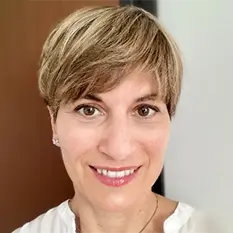
Viviana Anelli, PhD
Viviana Anelli is an MSL with extensive expertise in rare diseases and oncology, committed to transforming innovative research into meaningful clinical practice. Holding a PhD in Biochemistry and authoring over 23 peer-reviewed publications, she has contributed to the development of therapies for acute myeloid leukemia (AML), Wilson disease, and hereditary hemolytic anemias, while collaborating with leading pharmaceutical companies.
Currently, Viviana is the sole MSL in Italy for Avanzanite Bioscience (via Amplity Health). In her role, she builds trusted partnerships with healthcare professionals, advances scientific exchange, and actively supports patient advocacy initiatives.
Beyond her field responsibilities, Viviana is the founder of MSL Networking Group Italy, the first LinkedIn community dedicated to Italian MSLs, and the creator of a widely followed LinkedIn newsletter on the MSL profession. She also serves as a faculty member of the MSL Academy by Medical Talent Solutions (MTS), Italy.
Recognized as a proactive leader and mentor, Viviana combines scientific rigor with strong interpersonal and organizational skills. She brings impactful contributions to Medical Affairs and continues to inspire the next generation of MSLs.
Have an opinion on this article? Send a message to the editor.