Introduction
The reason I chose to work as a Medical Science Liaison (hereafter MSL) was never just the science. Coming from a background in nursing science, I have always been driven by the question of how scientific advances translate into better care for patients. Having now worked in the pharmaceutical industry for some time, I have learned that being an effective MSL means staying true to your original motivation. For me, that means keeping the patient at the center of everything we do, even when our role is not directly at the bedside. In this article, I will share 4 shifts that have helped me become a more effective MSL.
Shift 1: From science to meaningful value for patient care
Science is the foundation of the MSL role. It is even embedded in the job title itself: Medical Science Liaison. Through my passion for healthcare, I have learned that science is indeed essential to advancing medical knowledge and improving treatment options, but at the same time, I believe it is crucial to look beyond data and start with the patient: the person living with a chronic disease, striving to maintain quality of life.
I work in nephrology, where this patient-centered mindset feels more relevant than ever. In nephrology, patients often live with their disease for many years, frequently requiring lifelong treatment and multidisciplinary care to preserve all aspects of their wellbeing as much as possible.
The impact of medical decisions therefore, goes far beyond data, it directly affects mental well-being and the lives of people living with a disease, as well as those of their families. This is what makes nephrology such an inspiring field to work in.
The first shift, which forms the foundation of our work as MSLs, is moving away from focusing solely on what the data shows and placing equal emphasis on why it matters. This means shifting from simply presenting scientific results to asking what these findings truly mean for patients and their wellbeing. How does this data support meaningful conversations between healthcare professionals and patients, and how can it empower shared decision-making that aligns medical choices with what matters most to the individual patient?
Do not get me wrong, science remains essential. But it should not be the message itself. The patient stays where they belong: at the center of everything we do.
Shift 2: From activities to intent: working from a medical plan
The second shift that has helped me make my work more impactful is learning to start my medical activities from a clearly defined medical issue.
In practice, this means taking a step back before jumping into action. First, analyze what the underlying medical problem is. From that problem, define the objective: what are we actually trying to achieve? Only then do you determine which activities will truly contribute to reaching that goal.
It may sound obvious, but how often do we begin with the opposite question: What are we going to do?
Coming from a nursing background, I am a natural doer. I was used to quickly creating a list of action points and moving straight into execution. During my MSL training, however, I learned the importance of not starting with actions, but with the intended outcome.
Approaching your work in this way often leads to very different activities than the ones you would have originally planned. Some initiatives turn out to be less relevant, while others suddenly become much more meaningful.
While developing and executing a medical plan, it is equally important to maintain focus. Ask yourself: When will this be successful?’ A medical plan helps to create clarity and direction, not only for yourself but also for your broader team.
Therefore, the essence of this second shift is to approach your work with intent. Make
sure your efforts are connected to the objective, rather than simply completing activities for the sake of being busy. Work together with external experts and colleagues from other departments to build a solid understanding of the medical need.
It is far better to invest time in a thorough analysis at the beginning than to spend energy on activities that ultimately have a limited impact.
Shift 3: From responding to requests to creating opportunities
The third shift that strengthened my effectiveness as an MSL is consciously embracing an entrepreneurial mindset: not waiting for opportunities to appear, but actively identifying them and helping to bring them to life.
Taking initiative has always been part of who I am. However, within the MSL role I learned how important it is to channel that natural drive in a focused and meaningful way. Of course, responding to questions from the field remains a key responsibility. But if we limit ourselves to what is being asked, we may overlook many possibilities to create additional value for healthcare professionals and ultimately for patients.
By spending time engaging in conversations and listening carefully to challenges and frustrations, you start to recognize needs that are not always expressed as direct requests. Sometimes the real opportunities lie between the lines.
An entrepreneurial MSL connects those dots. We translate insights from daily practice into ideas for collaboration, education, or scientific exchange. We
initiate discussions, bring stakeholders together, and explore what we could build collectively. This proactive attitude can lead to impactful outcomes: co-creation projects, tailored educational initiatives, partnerships, or events that truly reflect what the field needs.
By actively seeking opportunities instead of waiting for them, the MSL becomes a partner in healthcare.
Shift 4: From staying within your own organization to collaborating beyond it
The fourth shift that broadened my perspective as an MSL is looking beyond the boundaries of my own organization and actively seeking collaboration across the wider healthcare landscape, including with peers from other pharmaceutical companies.
When we focus only internally, we risk limiting our view to our own strategies, priorities, and solutions. Yet many of the challenges in healthcare are bigger than any single organization. They require shared thinking, joint responsibility, and collective action.
True collaboration becomes especially powerful in co-creation initiatives, where different perspectives, expertise, and experiences come together. By working with external partners, you discover new approaches, learn how others address similar barriers, and often find inspiration that you can translate back into your own work.
In the Netherlands, for example, I had the opportunity to be an active member of the Young Innovators of Medicines (YIM), part
of the Association of Innovative Medicines. Engaging with peers from other companies allowed me to exchange ideas, discuss common challenges, and learn from different ways of working. It strengthened my understanding of the broader system and highlighted how much we can achieve when we move beyond organizational borders.
For me, this shift reinforced the idea that an MSL is not only a representative of a company but also a partner in the healthcare community. By building bridges, sharing insights, and learning from one another, we contribute to progress that ultimately benefits patients.
Conclusion
Becoming an effective MSL is not about adding more to your to-do list. It is about meaningful shifts in the way we think and work.
By keeping the patient at the center, working from clear medical intent, actively creating opportunities, and collaborating beyond our own organization, we strengthen our ability to make a difference. Not only for healthcare professionals, but ultimately for the people living with the disease.
For me, these four shifts continue to shape how I approach my role every day. They remind me why I started this journey in the first place: translating science into better care.
About the author:
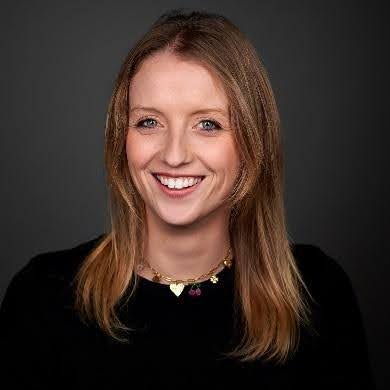
Tessa van de Wal, MSc
Tessa is a Medical Science Liaison at Medice, specializing in nephrology. With a background in nursing and a Master’s degree in Nursing Science from Utrecht University, she brings experience from clinical practice, academia, and the pharmaceutical industry. In her current role, she focuses on scientific exchange with healthcare professionals, medical education, and supporting the translation of clinical evidence into practice to improve patient care.
Have an opinion on this article? Send a message to the editor.