Mentorship is a crucial component of professional development, providing a framework for the transfer of knowledge, skills, and guidance. In industries like Medical Affairs, where the landscape is continuously evolving, a strong mentor-mentee relationship can be particularly transformative. This article explores how to foster, create, establish, and maintain such relationships, highlighting the long-lasting benefits through real-life examples, including how a mentor helped a mentee land a Medical Science Liaison (MSL) role and how they, in turn, assisted the mentor in advancing her career.
Fostering Mentor-Mentee Relationships
1. Identifying Potential Mentees
The first step in fostering a mentor-mentee relationship is identifying potential mentees who are enthusiastic and have a clear desire to learn. Mentors should look for individuals who show initiative, ask insightful questions, and demonstrate a commitment to their professional growth. For instance, during a conference, you may encounter an aspiring MSL who impressed you with his/her proactive approach to networking and their inquisitive nature about the MSL role. In this case, there was something very sincere, genuine, and kind about the mentee that caught the mentor’s attention. He spoke not only about his career goals but also showed a genuine interest in learning about the mentor’s career trajectory. There was a sincere and genuine connection between the two parties, characterized by mutual benefit rather than selfish interests. After all, building relationships is a core strength and superpower of MSLs.
Identifying Potential Mentors
As an aspiring MSL, it is essential to research the role and what it entails and there is no better way to learn than with experienced MSLs. The mentee sought out a MSL who was highly recommended and well-respected by her peers. He connected with one who was personable, honest, and willing to give constructive feedback. He also valued having a mentor with a different training background as it is helpful to gain knowledge from differing perspectives and mirrors what one might encounter with their team members.
2. Setting Clear Expectations
It is essential to set clear expectations from the outset. Both the mentor and mentee should discuss and agree on the goals of the mentorship, the frequency of meetings, and the preferred methods of communication. This clarity helps prevent misunderstandings and ensures both parties are aligned. In this case, the mentor arranged an initial meeting with the mentee to discuss his career aspirations and how she could assist in his journey toward becoming an MSL. He mentioned that he was in the final stages of his PhD program and expected to graduate soon. The mentor advised him to hold off on job hunting until he was closer to completing his degree, as MSL positions often hire quickly within a short time frame.
Creating and Establishing the Relationship
1. Building Trust and Rapport
Trust is the foundation of any successful mentor-mentee relationship. Building this trust requires consistent, open, and honest communication. Sharing personal experiences, including successes and failures, can help mentees feel more comfortable and connected. The mentor also shared her career trajectory, including the challenges faced, and how she overcame them, which helped establish a strong rapport with her mentee. Discussing plans, such as starting a family or settling in a specific geographic area, was also important to the mentee when deciding whether or not to relocate for an MSL position. As a mentee, having someone who can act as a sounding board for various scenarios, can make a world of difference in helping to navigate difficult decisions. Building trust and having transparency with one another helps go through the highs and lows that one may experience when looking to break in the MSL role.
2. Tailoring Guidance to Individual Needs
Each mentee is unique with different strengths, weaknesses, and career goals. Effective mentors tailor their guidance to meet the specific needs of their mentees. Her mentee courageously spoke about his weaknesses and sought guidance to develop them as he tried to break into the role. The mentor took the time to understand his background in science and identified gaps in his knowledge about the pharmaceutical industry. This allowed her to provide targeted advice and resources, such as recommending specific courses and networking opportunities relevant to the MSL role.
First, she recommended reading Dr. Samuel Dyer’s book, “How to Break into the MSL Role.” Second, she suggested enrolling in relevant training programs offered by the MSL Society, other online training programs, and free courses on platforms like Coursera to become familiar with Good Clinical Practices, clinical trials, investigational drugs, and the pharmaceutical industry. Third, she recommended updating his CV to include the new certifications and training. It is critical to complete these steps before applying for any MSL role, as the challenging part will be preparing for phone screens with recruiters and hiring managers, followed by panel interviews and a presentation. Finally, she recommended updating his LinkedIn profile to align with his CV and emphasize his professional experience, transferable skills, and strengths, including memberships in societies and certificates of completion.
3. Providing Practical Opportunities
Hands-on experience is invaluable for mentees. Mentors can provide practical opportunities for them to apply their knowledge whenever possible. The mentor suggested he explore opportunities to apply for industry fellowships with pharmaceutical, medical device, or diagnostic companies that provide paid positions. These fellowships offer an excellent chance to gain real-world experience and often lead to employment with the company.
Maintaining the Relationship
1. Regular Check-ins
Regular check-ins are vital to maintaining momentum and ensuring that the mentee continues to progress. These check-ins can be formal or informal, depending on what works best for both parties. The mentor scheduled monthly meetings with her mentee to review his progress, discuss any challenges, and adjust the action plan as needed. They established an action plan for the upcoming meeting before concluding their session in 3 months.
2. Encouraging Continuous Learning
Encouragement of continuous learning is essential for professional growth. The mentor emphasized the importance of staying updated with the latest developments in the industry and suggested relevant literature, webinars, and conferences to attend. For example, there are webinars provided by several organizations that are valuable resources for learning and are available free of charge. Additionally, she recommended joining professional organizations related to medical affairs to expand his network and knowledge base.
3. Providing Constructive Feedback
Constructive feedback, verbal or written, is important for improvement. The mentor made it a point to provide honest, supportive feedback on the mentee’s performance during mock interviews and presentations. This feedback helped him refine his skills and better prepare for real-world scenarios.
Long-lasting Benefits of Mentor-Mentee Relationships
1. Career Advancement
A well-guided mentee is more likely to achieve their career goals. The mentee successfully landed an MSL role. The guidance and support provided throughout the process—from resume building and interview preparation to understanding the nuances—were instrumental in landing a job successfully. Additionally, through this relationship, the mentee is now better equipped to serve as a mentor to aspiring MSLs in the future.
2. Mutual Learning and Growth
Mentorship is a two-way street. While mentors provide guidance and knowledge, they also learn from their mentees. New perspectives, fresh ideas, and the latest industry trends often come from the mentee. From her experience as a mentor, her mentee introduced her to innovative digital tools and platforms that enhanced her efficiency in medical affairs. He also shared job opportunities and recommended conferences to attend for professional development.
3. Expanding Professional Networks
Both mentors and mentees benefit from an expanded professional network. Introducing her mentee to her contacts helped him build relationships within the industry, and he reciprocated by connecting his mentor with his growing network. This mutual networking can open doors to new opportunities and collaborations, whether it be a change to a different therapeutic area, geography, or company.
4. Personal Satisfaction and Fulfillment
As a mentor, there is a profound sense of satisfaction in seeing your mentee succeed. Knowing that you played a part in someone else’s professional growth is incredibly fulfilling. Additionally, mentees often express gratitude and remain loyal, contributing to a lasting and rewarding relationship. Maintaining occasional outreach on the part of both mentor and mentee is essential for staying connected.
Real-life Example: A Two-way Street
To illustrate the mutual benefits of a mentor-mentee relationship, after helping her mentee secure an MSL role, he continued to grow and excel in his position. His success brought his mentor immense satisfaction and proved beneficial when she was considering her next career move as they bounced ideas off each other with someone they trusted.
While exploring new opportunities in medical affairs, her former mentee, now well-established in his role, offered to assist her. He provided insights into emerging trends in medical affairs such as the emergence of AI and how best to utilize it to streamline conference coverage and review literature. He shared valuable contacts within his organization and even facilitated introductions to help broaden his mentor’s network. This support was instrumental in helping her navigate her career transition smoothly.
Impact of Mentorship in the MSL Role
Table 1 shows examples of the impact of mentorship in the MSL role. Mentorship plays a pivotal role in developing MSLs by enhancing their scientific knowledge, personal growth, and career trajectory. It equips MSLs with essential skills for effective communication, presentation, and KOL engagement while boosting their confidence and offering strategies for successful territory management. Mentors provide valuable emotional support and networking opportunities, fostering long-term relationships that inspire mentees to navigate challenges and pursue advancement within the medical affairs field. Finally, mentorship enriches the MSL’s professional capabilities and contributes to their confidence, career satisfaction, and success.

Table 1. Impact of Mentorship in MSL Role
Conclusion
A strong mentor-mentee relationship can be transformative for both parties involved. By fostering, creating, establishing, and maintaining these relationships, mentors can provide invaluable guidance while also gaining new perspectives and expanding their networks. The benefits are long-lasting and often reciprocated, creating a cycle of mutual growth and success.
In the dynamic field of Medical Affairs, such relationships are particularly beneficial, helping professionals stay updated and connected. Whether you are a mentor or a mentee, investing time and effort into these relationships can yield significant professional and personal rewards.
By sharing knowledge, offering support, and celebrating successes together, both mentors and mentees can achieve their career aspirations and contribute positively to the field.
About the authors:
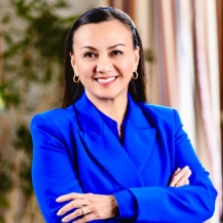
Maria Abunto, MD, MPH
Dr. Maria Abunto’s career reflects a seamless blend of medical expertise and a deep commitment to public health. She began her journey by earning an MD from the University of the East, followed by an MPH, magna cum laude, from the University of Pittsburgh School of Public Health. She is completing an Executive MBA at the Katz Graduate School of Business, further strengthening her leadership capabilities.
Her professional path spans diverse roles that have enriched her understanding of healthcare’s intersection with technology and innovation. As an Epidemiologist at the National Institutes of Health, Dr. Abunto collaborated with the National Cancer Institute on pioneering cancer research, which sparked her passion for bridging the gap between research and its real-world application.
Dr. Abunto led a dynamic team as a Senior Manager of Medical Affairs, drawing from her experience across diagnostic and medical device sectors. Her leadership was recognized in 2021 when she received the Medical Affairs Award of Excellence from Exact Sciences and the prestigious Medical Science Liaison of the Year honor from the MSL Society—testaments to her dedication and impact in the field.
Additionally, Dr. Abunto serves as an onboarding trainer with the MSL Society, where she mentors aspiring professionals, sharing her knowledge and fostering the development of future leaders in Medical Affairs. Her approach to mentorship reflects her belief in the power of knowledge-sharing to drive healthcare innovation.
Dr. Abunto’s contributions to public health were further acknowledged in 2024 when she was honored with the Margaret F. Gloninger Service Award for her decade-long dedication to community service. This award reflects her tireless work organizing public health initiatives, from conducting blood pressure screenings to spearheading COVID-19 vaccination clinics in underserved areas. Her passion for community health remains a driving force in her career.
In every role she embarks on, Dr. Abunto remains focused on a singular goal: making meaningful contributions to the evolving landscape of healthcare and biotechnology, with a dedication to improving patient outcomes and advancing scientific understanding.

John Macbeth, PhD
John Macbeth is an accomplished Medical Science Liaison (MSL) with a strong foundation in biomedical research and a passion for improving public health outcomes. He earned his PhD in Biomedical Sciences from the University of California, Riverside, where he specialized in immunology, microbiology, vaccines, and infectious diseases.
During his training, John contributed to groundbreaking research, publishing several peer-reviewed articles on the interface of the gut microbiome, the immune system, and V. cholerae.
After gaining over six years of experience as a bench scientist, John initially transitioned into industry as a medical affairs intern at Novavax, where he learned the foundations of medical affairs. He now thrives as a Medical Science Liaison at Novavax. In this capacity, he serves as a key scientific resource, building strong relationships with healthcare professionals, and works cross-functionally with an array of different internal stakeholders.
Additionally, John serves as a mentee in the MSL Society mentor-mentee program where he actively participates with his peers in discussing MSL best practices.
John is passionate about continuing his work in the MSL role, where his dedication to lifelong learning and his training in immunology position him as an asset to any organization focused on advancing patient care.
He enjoys reading, spending time with his family, hiking, and traveling the world!
Have an opinion on this article? Send a message to the editor.