The role of the MSL (Medical Science Liaison) has always required an uncommon combination of:
Scientific depth, relational intelligence, and strategic agility.
However, as the volume of publications grows, the availability of RWD (Real World Data) becomes increasingly overwhelming, and KOL expectations become more complex, even the most experienced MSL teams face a shared structural challenge:
“How can we consistently extract, synthesize, and act upon the scientific knowledge contained in hundreds of field interactions, publications, and exchanges at medical congresses?”

NotebookLM, a generative artificial intelligence tool developed by Google, offers a compelling answer to this challenge—not as a replacement for the MSL’s scientific judgment and reasoning, but as a cognitive amplifier that can transform how field medical teams prepare, execute, and follow up on interactions with KOLs.
This is why it is important to integrate this technology into the team’s daily workflows, moving toward a scenario where the focus is on improving the efficiency of how scientific conversations are structured and enhancing the quality of the medical insights generated.
How do we approach scientific conversations with impact? Depth over volume
One of the most immediate applications of NotebookLM in the MSL context is the preparation of those visits that can sometimes generate significant pressure.
Traditionally, preparing for a strategic meeting with a KOL required gathering publications, clinical trials, congress abstracts, and competitive intelligence from multiple sources—a process that can take hours and still leave gaps.
With NotebookLM, an MSL can upload a curated and segmented set of references tailored to the type of conversation they want to have (recent publications from the KOL, relevant clinical guidelines, and internal medical review materials) and explore that content using natural language queries.
The tool synthesizes information across sources (allowing the MSL to decide when and how to use specific data), identifies connections that might not have been previously considered, and enables a richer and more personalized scientific dialogue.
It can also adapt outputs to the MSL’s preferred format—whether infographics, podcasts, or study-style guides.
For managers overseeing teams across multiple therapeutic areas, this capability has a multiplying effect: it allows MSLs with different levels of experience to enter KOL conversations with a similar level of preparation depth, reducing variability and elevating the team’s overall scientific presence.
Structuring insights after field interactions
With experience, we realize that the value of a conversation with a KOL rarely lies in the conversation itself. It lies in what happens afterward: how scientific and strategic insights are captured, synthesized, and translated into actionable intelligence for medical affairs.
And this is precisely where many teams lose value—not due to lack of effort, but due to the absence of a structured methodology for insight extraction.
NotebookLM can act as a thought-structuring partner in this post-interaction phase. An MSL can document the key points from a discussion with a KOL and then use the tool to identify emerging themes, highlight potential evidence gaps, or connect the KOL’s perspective with existing data.
The result does not replace medical judgment but provides a scaffold that helps the MSL articulate more precise and strategically relevant insights.
Additionally, information can be uploaded in multiple formats—such as PDFs, presentations, videos, or audio files. This functionality is also useful for identifying insights from meetings, courses, and congresses, which can then be organized into structured explanatory text.
With NotebookLM, it becomes possible to consolidate information from multiple sources and organize it by categories, such as disease area or therapeutic field.
If we learn how to apply these tools thoughtfully, we can significantly improve the quality of the input that feeds cross-functional strategic discussions and deliver meaningful value to the organization.
Consistency of medical content across the team
Consistency is a frequent term in medical affairs strategy documents, yet notoriously difficult to operationalize in the field.
Each MSL brings their own scientific background, communication style, and interpretative lens to interactions with KOLs. While this diversity is an asset, it can also introduce variability in how medical content is externally communicated.
NotebookLM, when used with a shared library of approved medical content (publications, medical information documents, key dossiers), can help teams develop a common scientific language.
MSLs can use the tool to validate their understanding of complex data, identify areas of uncertainty, and build more precise scientific narratives before engaging with KOLs.
This function is particularly relevant in onboarding processes, where new MSLs must rapidly acquire deep knowledge of a therapeutic area. Instead of relying solely on structured training programs, new team members can use NotebookLM to explore evidence dynamically, ask questions at their own pace, and develop scientific fluency more efficiently.
A strategic perspective for field medical leaders
For MSL Managers and Field Medical Directors, integrating NotebookLM represents both a strategic opportunity and a leadership responsibility.
The opportunity lies in scaling team performance—enabling more consistent, deeper, and better-aligned KOL interactions. The responsibility lies in establishing clear guidelines for tool usage, ensuring that MSLs understand its limitations, and keeping human judgment at the center of every field interaction.
The MSLs who will benefit most from tools like NotebookLM are not those who use them to reduce effort, but those who use them to elevate the level of what a field interaction can achieve.
When preparation is deeper, insights are more precise, and the scientific narrative is better aligned with the KOL’s research priorities, the MSL–KOL relationship becomes a more genuine and productive scientific exchange.
And that is what we have always aspired to.
AI tools, when used thoughtfully and within an appropriate compliance framework, can simply make that goal more consistently achievable.
Disclaimer:
AI tool (Claude, Anthropic) was used solely to support limited translation from Spanish to English and to refine the language for publication purposes. The strategic perspectives and professional insights reflect the author’s own experience and judgment
About the authors:

Marc Sendra de la Hoz
Marc holds a Bachelor’s degree in Biology from the University of Girona, where he completed his thesis on the relationship between acute kidney injury and procalcitonin levels in critically ill patients. He also holds a Master’s degree in Scientific Departments of the Pharmaceutical Industry from ESAME Pharmaceutical Business School.
With a solid scientific background, he has built his career at the intersection of Medical Affairs and the pharmaceutical industry, with a focus on bridging scientific evidence generation and business strategy to deliver meaningful value for healthcare stakeholders and organizations.
Since May 2025, he has been serving as MSL Manager at IBSA Iberia, where he leads Medical Affairs strategy across multiple therapeutic areas, including Fertility, Dermoesthetics, Osteoarticular, and Urogynaecology.
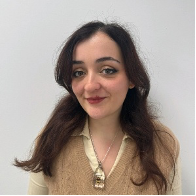
Judith Carreño
Judith holds a degree in Biomedical Sciences from the Universitat Autònoma de Barcelona and a Master’s in Scientific Departments of the Pharmaceutical Industry from ESAME Pharmaceutical Business School.
She began her career in research at the UAB’s Biological Anthropology Department, before transitioning into the pharmaceutical industry. She joined CSL Behring as a Medical Affairs professional, followed by a role as Medical Education Coordinator EMEA at Establishment Labs.
Since January 2025, she has been part of IBSA Iberia, where she has held MSL roles in Uro-Gynecology and Osteoarticular, and currently serves as Medical Advisor for Uro-Gynecology.
Have an opinion on this article? Send a message to the editor.