1. Introduction: From the Margins to the Core of Strategy
It was 1967 when Upjohn Pharmaceuticals introduced a novel role designed to bridge the widening gap between clinical science and medical practice: the Medical Science Liaison (MSL). Initially envisioned as a non-promotional channel for scientific exchange, the MSL emerged in response to growing demands for transparency, ethical communication, and data-driven credibility in an industry under increasing regulatory scrutiny (6).
Over the following decades, the MSL role evolved in parallel with the growing complexity of the pharmaceutical landscape. Biologics, precision medicine, gene therapies, and digital health innovations challenged traditional engagement models. Meanwhile, health systems demanded value over volume, patients called for co-creation, and real-world evidence (RWE) became a strategic asset. Amidst this paradigm shift, MSLs emerged as strategic connectors, linking internal innovation with external impact.
Today, MSLs are no longer confined to scientific education. They are strategic advisors, insight generators, digital communicators, and catalysts of trust between the pharmaceutical industry and the healthcare ecosystem. Their contributions now span early clinical development, market access, evidence generation, medical strategy, and long-term therapeutic value communication (1,2).
As we look toward 2035, this evolution is set to continue at speed. Generational shifts, technological acceleration, and societal expectations are redefining leadership across Medical Affairs. The MSL of the future will not only interpret science but also shape the systems through which it is delivered. Understanding the historical foundations and anticipating the next wave of transformation is therefore essential.
This article traces the multidecade evolution of the MSL role through five key lenses:
- Historical and regulatory foundations.
- Strategic expansion in the digital era.
- The impact of generational diversity on competencies.
- A forward-looking vision for MSLs in 2035.
- Strategic recommendations for organizations.
2. Historical Foundations: From Education to Scientific Credibility
In the late 1960s and 1970s, the pharmaceutical industry began to decouple promotional activities from scientific communication. MSLs were introduced to respond to a clear need: engage clinicians in peer-level scientific dialogue without the commercial bias of sales (6). Equipped with advanced degrees—MDs, PharmDs, PhDs—these professionals brought scientific rigor to stakeholder engagement.
Several key developments during this era shaped the MSL’s early responsibilities:
- The FDA introduced stricter promotional and labeling regulations (6).
- The rise of blockbuster drugs created new demands for medical engagement.
- Globalization required tailoring of evidence across geographies and systems.
This era defined the MSL’s ethical DNA: evidence-based communication, regulatory alignment, and scientific neutrality.
3. The 2010s–2020s: Strategic Expansion and the Digital Catalyst
By the 2010s, the MSL had become a linchpin in the strategic expansion of Medical Affairs. Their scope expanded beyond data dissemination to include early insight generation, advisory board leadership, cross-functional collaboration, and lifecycle evidence planning (1). The growing emphasis on value-based healthcare demanded that MSLs participate in discussions around RWE, health economics, and patient-centered outcomes (2).
Key accelerators of this transformation included:
- The adoption of RWE as a decision-making driver (2).
- Greater involvement in clinical trial design, protocol development, and site selection.
- Strategic alignment with Market Access and Policy teams.
Then came the COVID-19 pandemic—a seismic catalyst. Within months, traditional field visits gave way to digital engagement. Virtual advisory boards, remote scientific meetings, and AI-enhanced customer relationship management systems became the norm (4).
MSLs responded by developing new capabilities:
- Digital fluency: mastering virtual platforms like Veeva Engage and Zoom for HCP interactions.
- Omnichannel communication: delivering content tailored to stakeholder preferences.
- Dashboard storytelling: transforming complex data into actionable insights through visualization.
- Emotionally intelligent virtual rapport: building trust in a remote environment (4,5).
By 2023, over 70% of global pharmaceutical companies had implemented AI-driven field medical platforms, reflecting a new model of digital-hybrid engagement (4).
4. Generational Influence on MSL Competencies
Generational diversity has played a key role in shaping the competencies and leadership styles of MSLs over time:

Table 1. competencies and leadership styles of MSLs over time
- Boomers (1946–1964) instilled ethical discipline, deep scientific expertise, and respect for compliance frameworks (6).
- Generation X (1965–1980) introduced strategic integration, cross-functional adaptability, and process efficiency (10).
- Millennials (1981–1996) brought collaboration, digital agility, and a purpose-driven mindset (3).
- Generation Z (1997–2012) expects authenticity, inclusivity, and innovation aligned with social impact (3).
This diversity is a strength—but only if managed intentionally. Future-ready Medical Affairs teams should implement:
- Reverse and cross-generational mentoring programs. =
- Personalized learning journeys based on generational styles.
- Inclusive leadership frameworks that bridge mindsets.
According to MAPS (11), organizations with cross-generational teams outperform in innovation, adaptability, and retention.
5. Vision 2035: From Scientific Exchange to Strategic Co-Leadership
Looking ahead, the MSL of 2035 will function as a systems-level leader, driving health innovation from within and beyond the traditional pharmaceutical model. Their role will blend data science, stakeholder mapping, ethical foresight, and policy navigation.
Core Competencies for 2035:
To lead in this new era, MSLs must evolve from subject matter experts to multi-dimensional leaders. The competencies required are integrative and cross-functional:

Fig 1 Core competencias 2035
- Data-Driven Decision-Making
Interpret clinical data, RWE, biomarkers, and AI-generated insights to personalize engagement and inform strategy [2,6]. - Strategic Foresight
Anticipate industry shifts and therapeutic opportunities through trend analysis and horizon scanning [5]. - Ethical Digital Engagement
Navigate digital environments responsibly addressing misinformation, AI bias, and privacy concerns [4,10]. - Health Systems Fluency
Understand health policy, reimbursement models, and equity frameworks to engage policymakers and payers effectively [7,8]. - Purpose-Driven Communication
Translate science into compelling narratives that resonate emotionally and ethically across diverse audiences [3,9]. - Leadership Without Authority
Lead through influence—building alliances, fostering trust, and enabling collaboration in matrixed teams [10,11]. - Intergenerational and Cultural Agility
Adapt communication and mentorship styles to accommodate diverse generational values and global cultures [3].
“Scientific expertise will remain essential, but strategic empathy and systems fluency will define MSL leadership in 2035.” – Piliero (6)
Strategic Imperatives for Organizations:
- Embed AI-powered learning ecosystems (5).
- Establish dual-career paths for scientific and strategic leadership.
- Align Medical Affairs goals with the WHO and SDG health frameworks (11).
- Extend MSL engagement to include regulators, policymakers, and patient leaders.
The MSL of 2035 will not only engage with data—they will co-create the future of healthcare.
6. Conclusion: Reimagining the MSL Role for the Next Decade
As innovation accelerates, the need for credible, strategic, and ethical medical engagement becomes paramount. The MSL has transitioned from educator to influencer—and is now evolving into a scientific architect of health system transformation.
This evolution must be accompanied by investment in talent, tools, and transformation. Organizations that champion the next generation of MSLs will gain more than compliance—they will gain trust, impact, and leadership in a competitive global landscape.
The future of Medical Affairs is not a distant concept—it is being built now. MSLs must be equipped not only to understand change but to lead it.
✅ Invest in mentoring and cross-generational development.
✅ Build hybrid competencies in science, systems, and digital.
✅ Align MSL strategy with broader societal and ethical goals.
The Medical Science Liaison of the future is already here, curious, connected, and committed to making science matter.
Author’s Note: This article was conceptualized and written by Martina Riosalido, MSc, with the support of natural language processing tools such as ChatGPT, which were used to structure the content, refine scientific communication, and align with recent international references. All content has been reviewed, validated, and adapted by the author to reflect her professional expertise and strategic vision for the MSL role.
References
- McKinsey & Company. Pharma field force and digital evolution. 2022.
- IQVIA. HCP Engagement Trends Report. 2023.
- Deloitte. Global Gen Z and Millennial Survey. 2023.
- Veeva Systems. Global Trends in Medical Affairs. 2023.
- OPEN Health. AI and the Evolving Role of the MSL. 2024.
- Piliero PJ. Evolution of the MSL Function: 2030. The MSL Journal. 2023.
- Farma Leaders Talento. Qué es un MSL y qué funciones desempeña. 2023.
- PMFarma. MSL: una función estratégica en la industria. 2025.
- Universidad Internacional de Cataluña. Máster en Medical Affairs. 2024.
- MSL Society. What is a Medical Science Liaison? 2023.
- MAPS Global Leadership Forum. Medical Affairs Workforce Study. 2024.
About the author:
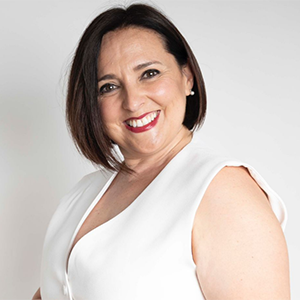
Martina Riosalido, MSc
Martina is the founder of MSL Expert & Mentoring, a strategic mentoring and training initiative designed to support the development of Medical Science Liaisons and Medical Affairs professionals across the pharmaceutical and biotech industries. With over 18 years of experience in scientific engagement, medical strategy, and international leadership, she is the creator of the proprietary MARIPOSA Method®, focused on transforming individual potential into strategic, purpose-driven talent. Her work bridges science, communication, and ethical leadership to empower the next generation of MSLs.
Have an opinion on this article? Send a message to the editor.