For many of us who transition into the Medical Science Liaison (MSL) role from commercial backgrounds, there’s a moment of deliberate recalibration. We learn to set aside the language of “sales targets” and “prescription volume” and embrace the principles of non-promotional, scientific exchange. This is not just a necessary shift; it is the very foundation of our credibility and ethical support.
However, in this necessary transition, a valuable asset can be mistakenly left behind: our hard-earned commercial acumen. Having spent nearly two decades in pharmaceutical sales, marketing, and e-commerce before becoming an MSL, I’ve learned that these experiences are not liabilities to be hidden. When reframed correctly, they are powerful tools that can foster deeper, more meaningful, and more strategic relationships with Key Opinion Leaders (KOLs).
This article is a call to reframe our thinking. Let’s explore how the core skills from our commercial past can be ethically and effectively leveraged to enhance our scientific present.
Bridging the Perception Gap
The first hurdle is often internal. Many of us carry a lasting concern that any scent of our commercial history could challenge our scientific integrity. We must move past this. Understanding the commercial landscape and the business realities of healthcare does not compromise our science; it frames it. A KOL doesn’t operate in an academic vacuum. They work within complex healthcare systems with budgetary constraints, administrative hurdles, and evolving reimbursement landscapes. When we understand these pressures, we can engage as more empathetic and insightful scientific partners.
The goal is not to discuss these commercial aspects with the KOL, which is firmly outside our scope. The goal is to use our understanding of them to listen more effectively and to anticipate the unspoken challenges that sit alongside the pure science.
Reframing the Funnel: From Sales Pipeline to Engagement Landscape
One of the most direct transfers of skill lies in strategic planning. In sales, we were taught to manage a territory using a sales funnel: prospecting, qualifying, engaging, and closing.
As MSLs, we can adapt this model into a Scientific Engagement Funnel.
Prospecting becomes KOL Identification: Instead of looking for high-prescribers, we use scientific metrics, publications, clinical trial involvement, and conference presentations to identify true experts and emerging voices in our therapeutic area.
Qualifying becomes KOL Profiling: This is where commercial acumen adds depth. Beyond their research interests, we seek to understand their influence, their network, their clinical environment (e.g., is it a large academic center or a community practice?), and their educational needs. What are their challenges in patient care? This holistic profile helps us tailor our scientific approach.
Engaging becomes Scientific Exchange: The goal of engagement is not a transaction, but mutual understanding. It’s about providing the right data, at the right time, in the right format to address their scientific curiosity and, ultimately, to improve patient outcomes.
This structured approach ensures our limited time is invested in the most impactful scientific relationships.
The Art of Listening for the Unspoken Need
In sales, success depended on hearing not just what the customer said, but what they meant. Were they concerned about cost? Was there a logistical barrier? Was a competitor better at addressing a hidden need?
This skill is pure gold for an MSL. During a scientific exchange, a KOL might comment on the “practical challenges” of a treatment regimen or the “difficulty in identifying the right patient.” A beginner might hear only a surface-level statement. An experienced MSL, with an ear for distinction, hears an unspoken evidence gap.
This is our cue. It’s not a signal to offer a commercial solution, but to dive deeper scientifically. We can respond with, “That’s a critical point. Could you elaborate on those practical challenges? There may be specific data or ongoing research I can share that addresses those real-world considerations.” This transforms a simple data dissemination into a truly collaborative dialogue that addresses the KOL’s holistic experience.
From Product Pitch to Scientific Narrative
Marketing excels at crafting a compelling narrative. It connects features to benefits in a story that resonates. As MSLs, we are not crafting product pitches, but we are storytellers of science.
A dense clinical trial manuscript is a collection of facts. Our role is to help the KOL interpret that story. What is the scientific narrative? How does this new data fit into the existing treatment landscape? What are the implications for future research or clinical practice?
Your marketing background equips you with the ability to structure a conversation for maximum clarity and impact. You know how to lead a discussion from a shared premise (the clinical need), through the evidence (the data), to a logical conclusion (the scientific implications). This isn’t about persuasion; it’s about communication. A well-structured, data-driven narrative is easier for a busy KOL to understand, remember, and apply to their own work.
Conclusion: Your Past is Your Strategic Advantage
Embracing a non-promotional role does not require us to erase our past. Instead, it invites us to refine those skills for a higher purpose. The strategic thinking from sales and the stakeholder mapping from marketing are not contrary to the MSL mission; they are its enablers.
They allow us to move beyond being messengers of data to becoming true scientific partners. We become MSLs who don’t just understand the what of the science, but also the who, where, and why behind its application. We transform the historical dynamic from a one-way transaction into a rich, two-way interaction, building the trust and collaboration that ultimately improve patient outcomes.
So, the next time you reflect on your career path, don’t see a divide. See a unique and powerful continuum. Your commercial acumen is your secret weapon; use it to build deeper scientific relationships.
About the author:
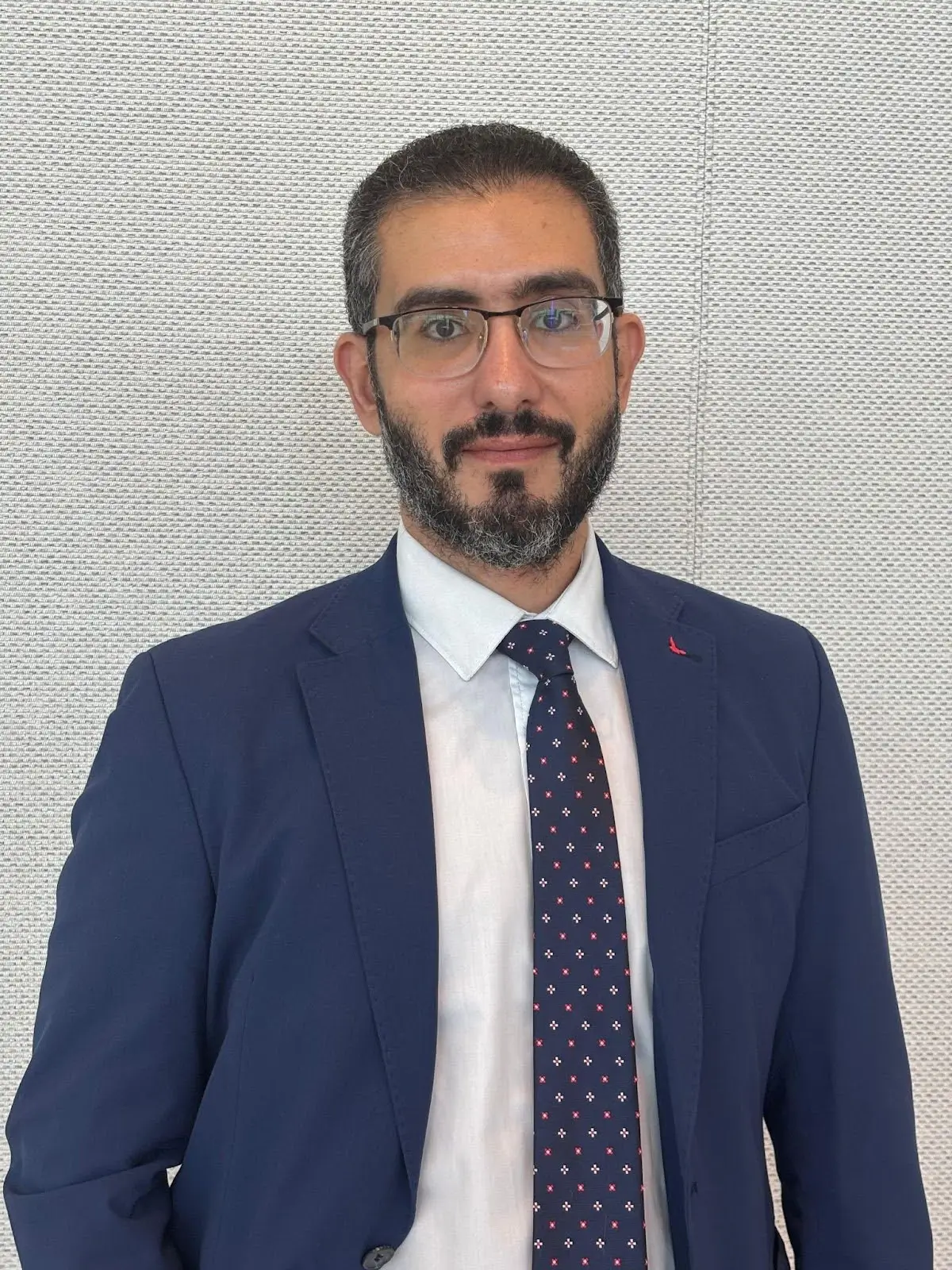
Fady Morcos
Fady Morcos has more than 15 years of experience in the pharma sector within the UAE, GCC, and Egypt. He is currently in a Medical Science Liaison (MSL) role at Chiesi Group, where he focuses on respiratory medicine, neonatology, and interventional cardiology. He provides scientific exchange, as well as clinical evidence, to assist healthcare professionals educate their way to clinical decisions.
Fady has held different roles in medical affairs, marketing, product management, and e-commerce, providing a broad spectrum of experience that demonstrates his ability to translate scientific evidence into business strategy. Prior to his current role, he was tasked with leading marketing and e-commerce at New Country Healthcare, where he won the Star of the Year award in 2021 and the Think Out of the Box award in 2020.
Have an opinion on this article? Send a message to the editor.