Introduction
In recent years, few areas of biomedical science have generated as much excitement as the study of the human gut microbiome. Once viewed simply as a collection of commensal organisms inhabiting the gastrointestinal tract, the microbiome is now understood to be a dynamic and complex ecosystem that profoundly influences human health. Significant advances in analyzing the microbiome using techniques such as metagenomics, metabolomics, and systems biology have revealed that the trillions of microbes living within the human body play critical roles in human health and disease, such as immune function, metabolism, neurological signaling, and disease susceptibility.
These discoveries have led to a new class of therapeutics, microbial-based therapies designed to restore or manipulate microbial communities to treat disease. From microbiota restoration therapies targeting recurrent Clostridioides difficile infection to engineered bacterial consortia being explored in oncology and metabolic disorders, microbial therapeutics are moving from experimental concept to clinical reality.
As the science evolves, the Medical Science Liaison (MSL) plays an increasingly important role in translating emerging microbiome research into meaningful clinical dialogue. In this rapidly developing field where mechanisms are complex and many therapies represent first-in-class innovations the scientific depth and credibility of the MSL become critical.
Understanding the Scientific Complexity of the Microbiome
Unlike traditional pharmacologic targets that focus on a specific receptor or signaling pathway, microbiome science operates within the framework of ecological systems. The gut microbiome functions as an integrated biological network composed of bacteria, fungi, viruses, archaea, eukaryotes as well as their genes and metabolites that are interacting with host physiology.
Research over the past several decades has demonstrated that microbial communities influence numerous biological processes including immune system maturation, energy metabolism, and inflammatory regulation. Landmark initiatives such as the Human Microbiome Project helped characterize the immense diversity of microbial populations within the human body and their association with disease states (Human Microbiome Project Consortium, 2012).
Importantly, the microbiome is not static. Its composition is constantly shifting in response to diet, lifestyle, antibiotics, and environmental exposures. These variables not only add layers of complexity but also immense challenges to therapeutic development. For clinicians, understanding how microbial therapies function and how external factors may influence their efficacy is extremely important.
This is where the MSL’s ability to synthesize complex scientific information becomes invaluable. By translating emerging research into clinically relevant insights, MSLs help bridge the gap between microbiome science and patient care.
First-in-Class Therapies
Microbial therapeutics represent entirely new treatment paradigms. Unlike small molecules or monoclonal antibodies, these therapies rely on altering the microbial community structure by delivering live biotherapeutic organisms and thus modulating the microbial metabolites.
With first-in-class therapies, health care providers naturally have questions that extend beyond traditional pharmacology. Common scientific discussions may include:
- How durable is microbial colonization following treatment?
- How do antibiotics or diet influence therapeutic outcomes?
- What biomarkers predict response?
- How does microbiome modulation interact with host immunity?
Early microbiome therapeutics FDA-approved for the prevention of recurrent C. difficile infection demonstrate the potential of microbial restoration approaches to prevent disease recurrence (Bryant, J. A., et. al. (2026); Khanna et al., 2016; Feuerstadt et al., 2022; Feuerstadt, P., et. al.,2025;). However, broader applications in oncology, autoimmune disease, and metabolic disorders remain areas of active research.
In this environment of emerging science, MSLs serve as trusted scientific partners who facilitate evidence-based discussion, contextualize early clinical data, and support thoughtful exploration of new therapeutic mechanisms.
Essential Skills for MSLs in the Microbiome Space
Supporting microbiome-focused therapies requires a diverse set of scientific and professional competencies.
Scientific Depth
MSLs working in this field must possess strong foundational knowledge in microbiology, immunology, and systems biology. Increasingly, familiarity with technologies such as metagenomic sequencing, metabolomics, and bioinformatics is beneficial for interpreting emerging data.
Translational Thinking
Because microbiome science spans basic research and clinical medicine, the ability to translate mechanistic discoveries into potential clinical relevance is essential. MSLs often help investigators and clinicians connect laboratory findings with patient outcomes.
Scientific Communication
Microbiome science can be conceptually complex. Communicating ecological interactions, microbial metabolites, and host-microbe signaling pathways in a clear and engaging manner requires refined scientific storytelling.
Intellectual Agility
The microbiome field evolves rapidly. New discoveries frequently reshape existing hypotheses about disease mechanisms and therapeutic potential. MSLs must remain intellectually curious and adaptable as the science advances.
Credibility with Key Opinion Leaders
Engaging leading researchers and clinicians requires a strong scientific foundation. Many MSLs bring doctoral-level training and clinical expertise that allows them to participate meaningfully in peer-to-peer scientific exchange.
Doubling Down on MSL Expertise in Emerging Therapeutic Areas
When working with innovative treatment modalities, credibility becomes one of the MSL’s most valuable assets. Investigators exploring microbiome-based interventions often operate at the leading edge of translational science. In these discussions, the MSL must bring not only knowledge of company-sponsored data but also a broad understanding of the surrounding scientific landscape.
Successful MSLs in this space rely on several guiding principles:
- Scientific rigor: grounding discussions in peer-reviewed evidence
- Transparency: acknowledging the evolving nature of the data
- Curiosity: fostering collaborative dialogue with investigators
- Field insight: communicating emerging scientific perspectives back to internal teams
By maintaining this balance, MSLs help organizations remain scientifically responsive while ensuring that emerging therapies are introduced responsibly within the medical community.
The Expanding Horizon of Microbial Therapeutics
The future of microbiome therapeutics is promising. Researchers are now exploring applications that extend far beyond infectious disease.
Emerging areas include:
- engineered microbial consortia designed to produce therapeutic metabolites
- microbiome modulation to enhance cancer immunotherapy responses
- gut-brain axis interventions targeting neurological conditions
- metabolic disease therapies influencing glucose and lipid metabolism
- precision microbiome medicine tailored to individual microbial profiles
As scientific understanding deepens, microbial therapies may ultimately influence treatment strategies across numerous medical specialties.
For MSLs, this represents an exciting opportunity to participate in shaping the translation of groundbreaking science into clinical practice.
Conclusion
The study of the human microbiome has opened an entirely new chapter in our understanding of health and disease. Microbial therapeutics challenge conventional approaches to drug development, introducing novel mechanisms and clinical questions that require thoughtful scientific dialogue.
Within this evolving landscape, Medical Science Liaisons play a pivotal role. Their ability to interpret complex data, engage in peer-level scientific exchange, and facilitate collaboration between industry and the medical community positions them at the forefront of innovation.
As microbial therapeutics continue to mature, the curiosity, expertise, and adaptability of MSLs will be essential in guiding these transformative therapies from scientific discovery to meaningful patient benefit.
Selected References
Human Microbiome Project Consortium. (2012). Structure, function and diversity of the healthy human microbiome. Nature, 486(7402), 207–214.
Turnbaugh, P. J., et al. (2007). The human microbiome project. Nature, 449, 804–810.
Bryant, J. A., et. al. (2026). The impact of an oral purified microbiome therapeutic on the gastrointestinal microbiome. Nature medicine, 32(1), 186–196.
Khanna, S., et al. (2016). Microbiota restoration therapy for recurrent Clostridium difficile infection. Journal of Infectious Diseases, 214(2), 173–181.
Feuerstadt, P., et al. (2022). SER-109, an oral microbiome therapy for recurrent Clostridioides difficile infection. New England Journal of Medicine, 386, 220–229.
Feuerstadt, P., et. al. (2025). PUNCH CD3-OLS: A Phase 3 Prospective Observational Cohort Study to Evaluate the Safety and Efficacy of Fecal Microbiota, Live-jslm (REBYOTA) in Adults With Recurrent Clostridioides difficile Infection. Clinical infectious diseases 80(1), 43–51.
Lynch, S. V., & Pedersen, O. (2016). The human intestinal microbiome in health and disease. New England Journal of Medicine, 375, 2369–2379.
About the author:
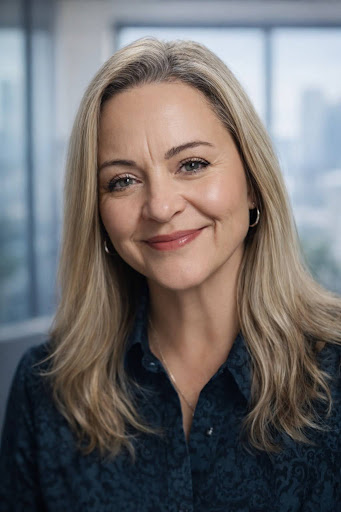
Elizabeth Kupferer, PhD, WHNP-BC
Elizabeth Kupferer, PhD, WHNP-BC is National Director of U.S. Medical Affairs for the Gut Microbiome portfolio at Nestlé, where she leads strategic field Medical Science Liaison (MSL) engagement at the forefront of microbial therapeutics. With over 20 years of Medical Affairs experience, she has built and led high-performing MSL teams supporting multiple first-in-class therapies across diverse therapeutic areas. Elizabeth is known for her leadership in translating complex science into meaningful clinical dialogue and advancing the evolving role of the MSL in innovative therapeutic spaces.
Have an opinion on this article? Send a message to the editor.