Why the need to supercharge? Because traditional clinical trial recruitment strategies may not be enough in 2025.
The challenges of clinical trial recruitment have long been a pain point in the pharmaceutical and biotechnology industries. With increasing complexity in trial designs and heightened competition for trial participants, Medical Affairs Organizations and specifically their Medical Science Liaisons (MSLs) are positioned to play a pivotal role in transforming recruitment strategies in partnership with their clinical operations colleagues. By leveraging data analytics, real-world evidence (RWE), and innovative engagement methods to raise awareness for studies, MSLs have been shown to significantly enhance trial outcomes.
The Growing Recruitment Challenge
Clinical trial recruitment has become increasingly difficult, with data showing concerning trends:
- The average recruitment period for phase 3 trials increased from 13 months (2008-2011) to 18 months (2016-2019)1
- The average number of participants enrolled in these trials dropped from 26 to 20 during the same period1
- Historically, more than 30% of rare disease trials fail, with the largest reason being enrollment delays2
Multiple factors continue to contribute to this crisis: Broad geographical distribution of patients, lack of awareness, burdensome enrollment criteria, and increasing competition between trials.
MSLs are uniquely equipped to address these challenges. Not only do they understand complex clinical trial protocols, but they also have invaluable knowledge of local healthcare provider (HCP) dynamics to help drive patient flow to trial sites. MSLs can help mitigate these barriers by serving as the connectors between HCPs, potential trial participants, and the trial sites themselves.
MSLs can supercharge clinical trial recruitment through three levers.

- Lever #1: Leveraging Real-World Data and Artificial Intelligence for Enhanced Recruitment
The integration of real-world data (RWD) and artificial intelligence (AI) has unlocked new possibilities for identifying eligible patients and optimizing HCP targeting. By analyzing claims data, demographic information, and clinical features, AI tools can support MSL clinical trial efforts to- Identify Potential Patients: Analyze inclusion and exclusion criteria to segment patient populations
- Score and Segment HCPs: Rank HCPs based on their likelihood of referring eligible patients
- Map Trial Sites to HCPs: Ensure that patients and HCPs are within reasonable proximity to trial sites, reducing logistical barriers
- Lever #2: Leading Strategic Engagement With HCPs to Support Clinical Trial Recruitment
MSLs play a critical role in fostering HCP engagement directly related to clinical trial recruitment. Key strategies include- Prioritized Outreach: Focus on HCPs managing high volumes of eligible patients that have been identified by RWD
- Educational Resources: Equip HCPs with clinical trial information decks, onboarding videos, and patient brochures to raise awareness and understanding of the trial
- Collaborative Relationships: Build trust by aligning trial goals with HCP interests and addressing barriers such as negative perceptions and complex protocols
- Streamline Communication: Ensure a single point of contact on clinical trial progress for each key opinion leader (KOL) to enhance collaboration and reduce redundancies
- Diversify Engagement: Regularly update and expand the KOL network to include emerging leaders who may be interested in being trialists
- Lever #3: Understanding HCP Networks to Support Recruitment
The importance of HCP networks to feed clinical trials cannot be overstated. A “clinical network” in the context of clinical trials refers to a group of HCPs who can actively identify and refer eligible patients to participate in clinical trials. MSLs should- Localized Support: Connect trial sites with nearby HCPs for seamless patient referrals
- Centralize KOL Profiles With Connections: Maintain comprehensive, accessible records of KOLs, including HCP connections and referrals, expertise, activity, and trial contributions
- Assess HCPs With Relevant Networks: Use RWD and AI to identify the most influential HCPs with networks that include potential eligible patients

CASE EXAMPLE: An MSL utilized RWD analytics to identify an HCP who was practicing in a completely different specialty, 50 miles from the trial site, who had eligible patients for the trial. This discovery, enabled by data, demonstrated the untapped potential in unconventional locations that would not have been found through traditional MSL field intelligence.
Conclusion
Medical Affairs organizations and their field medical teams stand at the forefront of revolutionizing clinical trial recruitment. By leveraging advanced analytics, fostering strategic partnerships, and embracing innovation, they can overcome traditional barriers and enable trial success. The future of clinical research depends on adaptive, proactive strategies, and MSLs are the key to not just unlocking but driving this potential.
Note: The content contained herein represents the personal views of the author and not necessarily those of Tourmaline Bio, Inc.
References
- Brøgger-Mikkelsen M, Zibert JR, Andersen AD, et al. Changes in key recruitment performance metrics from 2008–2019 in industry-sponsored phase III clinical trials registered at ClinicalTrials.gov. PLoS One. 2022;17(7):e0271819.
- Rees CA, Pica N, Monuteaux MC, Bourgeois FT. Noncompletion and nonpublication of trials studying rare diseases: a cross-sectional analysis. PLoS Med. 2019;16(11):e1002966.
About the authors:

Cathy Andorfer, PhD
Cathy Andorfer, PhD, is a dynamic leader with a career spanning science, leadership, and community engagement. She currently serves as National Director of Field Medical at Tourmaline Bio, Inc., leading a team of Regional Medical Directors. Previously, she built and led a national field team at Bristol Myers Squibb, driving successful product launches and cross-functional collaborations. She has been in the medical affairs space since 2011.
She recently published “The Art of Excellence: Build a Rockstar Career as a Medical Science Liaison and Beyond” a career guide that combines common-sense advice and engaging stories from Dr. Andorfer’s experiences as an MSL for large and small companies, as a leader of MSL teams, and as someone who mentors other MSL leaders.
A sought-after speaker, mentor, and coach, Cathy frequently shares insights on career growth, leadership, and professional development through industry conferences, podcasts, and panel discussions. She blends strategic vision with a passion for empowering others.
Her global perspective is shaped by research and capacity-building initiatives in Tanzania, where she led training programs and cross-cultural collaborations, strengthening her adaptability and leadership.
Beyond science, Cathy is a creative artist who integrates artistry and innovation into her work and leadership approach. She believes in the power of creativity, science, and leadership to drive meaningful impact.
Cathy holds a PhD in Neuroscience from Albert Einstein College of Medicine, an MS in Biology from Notre Dame, and a B.S. in Biology from Binghamton University. Before transitioning to industry, she completed a postdoctoral fellowship at the Seattle Biomedical Research Institute and held faculty positions at the Mayo Clinic Jacksonville.
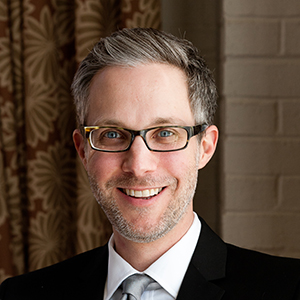
Daniel Leszkiewicz, PhD
Daniel is a seasoned expert in brand and commercial strategy, advanced analytics using claims data, and leveraging AI to drive success in biopharmaceutical companies. He oversees the identification of community-based clinical networks and influential healthcare providers through the proprietary Plexus solution, while also leading the discovery of global academic thought leaders using traditional bibliometric search strategies.
With extensive global experience across both common and rare disease states, Daniel has supported sales, marketing, and medical teams within biopharmaceutical companies. His career began over 2 decades ago, supervising the creation of promotional medical education initiatives for primary care and specialty audiences, delivered through various peer-to-peer educational channels. Daniel’s expertise extends to designing and supporting innovative promotional programs tailored to diverse healthcare professionals.
Daniel holds a PhD in Neurobiology from the University of Pittsburgh School of Medicine and completed a postdoctoral fellowship in the Department of Pharmacology at University College London, funded by the National Science Foundation.
Have an opinion on this article? Send a message to the editor.