Diagnostic delay is one of the biggest challenges in managing rare diseases. For example, narcolepsy patients often wait between 8 to 15 years from the onset of symptoms to receiving a proper diagnosis. This delay can severely disrupt their education, jobs, and mental health (Carter LP et al., Postgrad Med 2014; 126(3): 216-24). Closing this gap requires more than just scientific breakthroughs; it also needs focused education and communication. This is where Medical Science Liaisons (MSLs) play a crucial role.
MSLs act as a link between pharmaceutical research and clinical practice. By translating new data into clear, clinically relevant insights, they help healthcare professionals identify disease patterns earlier and use evidence-based care. The general symptoms of narcolepsy, such as excessive daytime sleepiness, fatigue, or muscle weakness triggered by strong emotions, can be easily mistaken for depression, ADHD, or other neurological issues. When MSLs provide structured, evidence-based education rooted in current literature and trial results, they expand the diagnostic language that clinicians across various fields can use. This reduces the chance of misclassification.
These educational efforts have real-world effects. Field-based scientific exchanges have shown they can improve clinician confidence and behavior. This aligns with findings from academic-detailing models, which demonstrate increased adherence to best practices and diagnostic accuracy (JAMA Netw Open 2021; Van Hoof et al., Res Social Adm Pharm 2022). The MSL role, focused on peer-to-peer, non-promotional, data-driven interactions, reflects a modern approach that speeds up the application of trial evidence in clinical settings.
Additionally, by presenting health-related quality-of-life (HRQoL) data like the SF-36, MSLs emphasize the significant impact of narcolepsy beyond just sleepiness. Patients report substantially worse HRQoL compared to the general population and even those with chronic diseases like diabetes, hypertension, multiple sclerosis, or epilepsy (Tadrous R et al., J Sleep Res 2021; 30(6): e13383). These insights allow clinicians to understand the broad effects of the disease, which aids shared decision-making and builds empathy.
Equally important, MSL-led education supports a collaborative approach to managing rare diseases. By engaging neurologists, psychiatrists, and primary-care providers at the same time, MSLs encourage a common understanding of overlapping symptoms and comorbidities. This teamwork can shorten the diagnostic process, improve the continuity of care, and ultimately lead to better patient outcomes. When clinicians have access to up-to-date information on disease prevalence, mechanisms, and treatment options, patients are less likely to be misclassified or under-treated.
Education remains a critical priority. Studies indicate that only 7% of primary-care physicians and 22% of sleep specialists can accurately identify all five main symptoms of narcolepsy (excessive daytime sleepiness, cataplexy, disrupted nighttime sleep, sleep paralysis, hypnopompic/hypnagogic hallucinations). Most only recognize excessive daytime sleepiness and cataplexy (Carter LP et al., Postgrad Med 2014; 126(3): 216-24). Proactive, evidence-based conversations led by MSLs directly address this knowledge gap, enabling clinicians to refer suitable patients for polysomnography or MSLT testing without delay
From a public health perspective, reducing diagnostic delays has clear benefits: better patient outcomes, lower healthcare use, and decreased socioeconomic strain. In a complicated and information-heavy healthcare environment, MSLs are key links to practical scientific knowledge. Through accurate, data-driven education, they turn years of uncertainty into prompt, life-changing diagnoses. This shows that effective medical engagement in the field is not just about corporate interests but is a meaningful advancement in national health.
About the author:
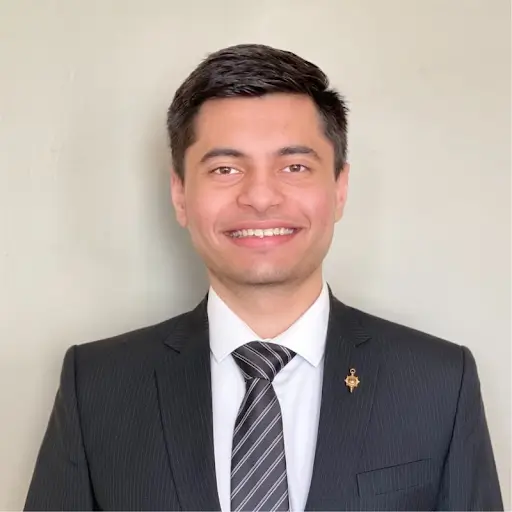
Rohan Zaveri, PharmD
Rohan Zaveri is a Medical Science Liaison in Neuroscience at Takeda Pharmaceuticals. He completed a Global Medical Affairs Fellowship with Takeda and Northeastern University with experiences in neuroscience, rare diseases, and immunology TA. Dr. Zaveri has authored and presented research at national conferences and is passionate about advancing education and collaboration in the sleep medicine field.
Outside of work, Rohan is a certified breathwork and meditation instructor dedicated to improving mental health and well-being in his community. He enjoys hiking, painting, and playing the ukulele, and is passionate about integrating mindfulness and creativity into professional and personal growth.
Have an opinion on this article? Send a message to the editor.