Overview
Cancer care across Africa is experiencing rapid changes. Our recent discussion with frontline clinicians in Cameroon, a West Central African country, highlighted both urgent current challenges and the momentum toward meaningful progress. We held a virtual roundtable with physicians and nurses from various parts of Cameroon’s cancer ecosystem, and several key themes emerged that are highly relevant to global pharma and Medical Science Liaisons (MSLs) working to improve oncology pathways in the country and across Africa. Major themes included diagnostic gaps, inconsistent treatment access, prevention hurdles, clinical trial readiness, and lessons learned from HIV programs. All themes that can be directly supported through enhanced collaborations with global pharma, including the scientific exchange, evidence development, and partnership efforts of field medical teams.
Screening and Early Diagnosis
One of the most pressing issues highlighted was the persistent gap in cancer screening and early diagnosis. High out-of-pocket costs continue to limit screening access for many patients, particularly in low-income and rural communities. As a result, individuals often present with advanced diseases, reducing treatment options and survival outcomes. In Cameroon, essential diagnostic tests are still outsourced abroad (mostly to France), creating delays that slow the entire care pathway. These challenges underscore the need for locally anchored diagnostic capacity that is affordable, accessible, and integrated into community health systems. Many modern oncology therapies rely on biomarker-driven decisions (e.g., HER2, PD-L1, BRCA, EGFR, ALK). When biomarker testing is delayed or unavailable, treatment selection becomes constrained, and real-world outcomes diverge from clinical trial expectations. This diagnostic context presents a clear opportunity for MSLs to support local access strategies and diagnostic partnerships, which can even be incorporated into clinical trial protocols, to encourage participation in first-line trials or broader biomarker-informed trials.
A Global Challenge, Not an African Exception
The treatment landscape in Africa at large, but in Cameroon more specifically, is evolving, with targeted therapies becoming more visible in select markets. However, access remains uneven. Affordability barriers, limited availability in public facilities, and fragmented referral pathways prevent many patients from benefiting from modern oncology treatments. Our roundtable participants emphasized the need to stop thinking of Africa as a monolith. There are regions with great medical centers and infrastructure comparable to Western urban centers, while others lack basic oncology services, underscoring that the issue of uniform access to adequate care is not limited to Africa. Even in the US, we see large disparities that depend more on a patient’s zip code and education than on the disease type or proximity to a medical center. Developing partnerships that expand access approaches will serve to improve continuity of care and ensure that therapeutic innovations reach patients equitably. This framing underscores the importance of hyper-local scientific engagement and a nuanced understanding of regional practice patterns across Africa.
Prevention and Vaccine Hesitancy
Prevention efforts also face obstacles. Despite the HPV vaccine being free in Cameroon, misinformation continues to fuel vaccine hesitancy.
Clinicians stressed that improving uptake requires community-level education and trusted messengers who can address concerns directly. Strengthening HPV vaccination rates remains one of the most powerful tools for reducing cervical cancer incidence10 across Cameroon and the continent at large. MSLs can play a key supportive role here by providing clear, evidence-based scientific information on HPV vaccination, equipping clinicians with data to address common misconceptions, and sharing global best practices on community-level prevention strategies.
Clinical Trial Readiness
A particularly encouraging insight from our roundtable was the strong appetite among healthcare professionals to participate in clinical trials. Many expressed enthusiasm for hosting Phase 2/3 trials and contributing to global research. Yet readiness remains limited by a lack of collaboration, infrastructure gaps, insufficient research training, and lingering mistrust within some communities.11 These barriers present clear opportunities for investment, site development, and long-term partnership models to strengthen Africa’s role in global clinical research.12,13 This is precisely where field medical teams can accelerate Africa’s integration into global research networks by identifying motivated investigators and emerging research centers, helping assess site readiness through evidence-based conversations, and supporting scientific discussions that clarify protocol requirements.
Lessons from HIV programming
Participants also pointed to powerful lessons from successful HIV programs that can be adapted to
cancer care. Strategies that transformed HIV outcomes, including youth outreach, school-based
education, engagement of religious leaders, and the empowerment of community champions, are
highly relevant to cancer awareness, early detection, and prevention efforts today.14,15 MSLs can help
translate these lessons by supporting clinicians who are building local awareness programs.
Looking Ahead
The session concluded with 100% satisfaction, reflecting the value participants found in the dialogue. Many reported a deeper understanding of clinical trials, renewed motivation to educate patients, and strong enthusiasm for expanding research opportunities. The discussion reaffirmed the desperate need for experts with a unique role in this landscape that will bring deep cultural insight, trusted networks, clinical and strategic expertise, and proven trial-readiness frameworks that help global pharma build meaningful, sustainable partnerships across African healthcare systems. MSLs are key members of this expert community who bring exactly the combination that clinicians emphasized as essential for sustainable partnerships. For MSLs and global field medical teams, here is a strategic imperative to engage Africa not as a peripheral region, but as a critical partner in global cancer innovation.
Participants information
| Specialties | Years in Practice | Cancer Types Experience |
|---|---|---|
| General Practitioner | 21+ (1) | Breast (25%) |
| Surgery | 11-20 (3) | Prostate (25%) |
| Nephrologist | 6-10 (2) | Leukemia (17%) |
| Gynecologist | 1-5 (5) | Lung (8%) |
| Pediatrician | Gynecologic (8%) | |
| Public Health Physician | Kidney (8%) | |
| Registered Nurse | Skin (8%) | |
| Occupational Hazard Nurse | ||
| Superior Nurse |
References
1. Ilbawi, A. M., & Anderson, B. O. (2015). Cancer in Africa: The way forward. The Lancet Oncology, 16(8), e394–e436.
2. Sankaranarayanan, R. (2014). Cancer prevention and early detection in low- and middle-income countries. Annals of Global Health, 80(5), 412–417.
3. Essomba, R. G. et al. (2021). Diagnostic delays and barriers to cancer care in Cameroon. BMC Health Services Research, 21, 1–10.
4. Meric-Bernstam, F. et al. (2021). Limitations of biomarker testing in low-resource settings. Nature Reviews Clinical Oncology, 18, 579–590.
5. Tsu, V. D., & Jeronimo, J. (2016). Biomarker testing and precision oncology in LMICs. Cancer, 122(3), 353–362.
6. Singh, G. K., & Jemal, A. (2017). Socioeconomic and geographic disparities in cancer mortality in the United States. Cancer Epidemiology, Biomarkers & Prevention, 26(4), 541–553.
7. Yabroff, K. R. et al. (2020). Health insurance, socioeconomic status, and cancer outcomes. JCO Oncology Practice, 16(7), 409–417.
8. Gallagher, K. E. et al. (2022). HPV vaccine uptake and hesitancy in sub-Saharan Africa. The Lancet Global Health, 10(1), e59–e72.
9. Tchounga, B. et al. (2021). HPV vaccine acceptance in Cameroon: A cross-sectional study. BMC Public Health, 21, 1–10.
10. Bruni, L. et al. (2021). Global impact of HPV vaccination on cervical cancer. The Lancet, 397(10275), 375–386.
11. Alemayehu, C. et al. (2018). Clinical trial capacity in sub-Saharan Africa: A systematic review. Trials, 19, 1–12.
12. Ezeanolue, E. E. et al. (2019). Building research capacity in Africa. Global Health Action, 12(1), 1670003.
13. Hedt-Gauthier, B. L. et al. (2018). Research partnerships in Africa: Lessons learned. BMJ Global Health, 3(4), e001107.
14. Shulman, L. N. et al. (2013). Lessons from HIV for cancer control in Africa. Journal of Global Oncology, 1(1), 3–11.
15. Gopal, S. et al. (2014). Applying HIV program strategies to cancer care in Africa. The Lancet Oncology, 15(7), e268–e278.
About the authors:

Franck Tchafa, PhD
Automation Engineer at Anam Consulting Group
Dr Franck Tchafa is an applied AI/ML engineer specializing in clinically grounded, high impact machine learning solutions. His work connects cutting-edge AI research with practical applications that foster innovation in healthcare and beyond. Franck holds a PhD in mechanical engineering from the University of Texas at Arlington and a Master’s in aeronautical engineering from City University of London.

Raymond Mankoski, MD, PhD
Executive Consult and Head of Medical Affairs Practice, The NemetzGroup
Dr Mankoski has spent the last 20 years of his career in the biopharmaceutical industry. He has worked in both small and large pharma, starting Global Medical Affairs organizations from the ground up both in-house and as a consultant, specializing in rare disease and oncology. He is currently the Head of the Medical Affairs Practice at The NemetzGroup.
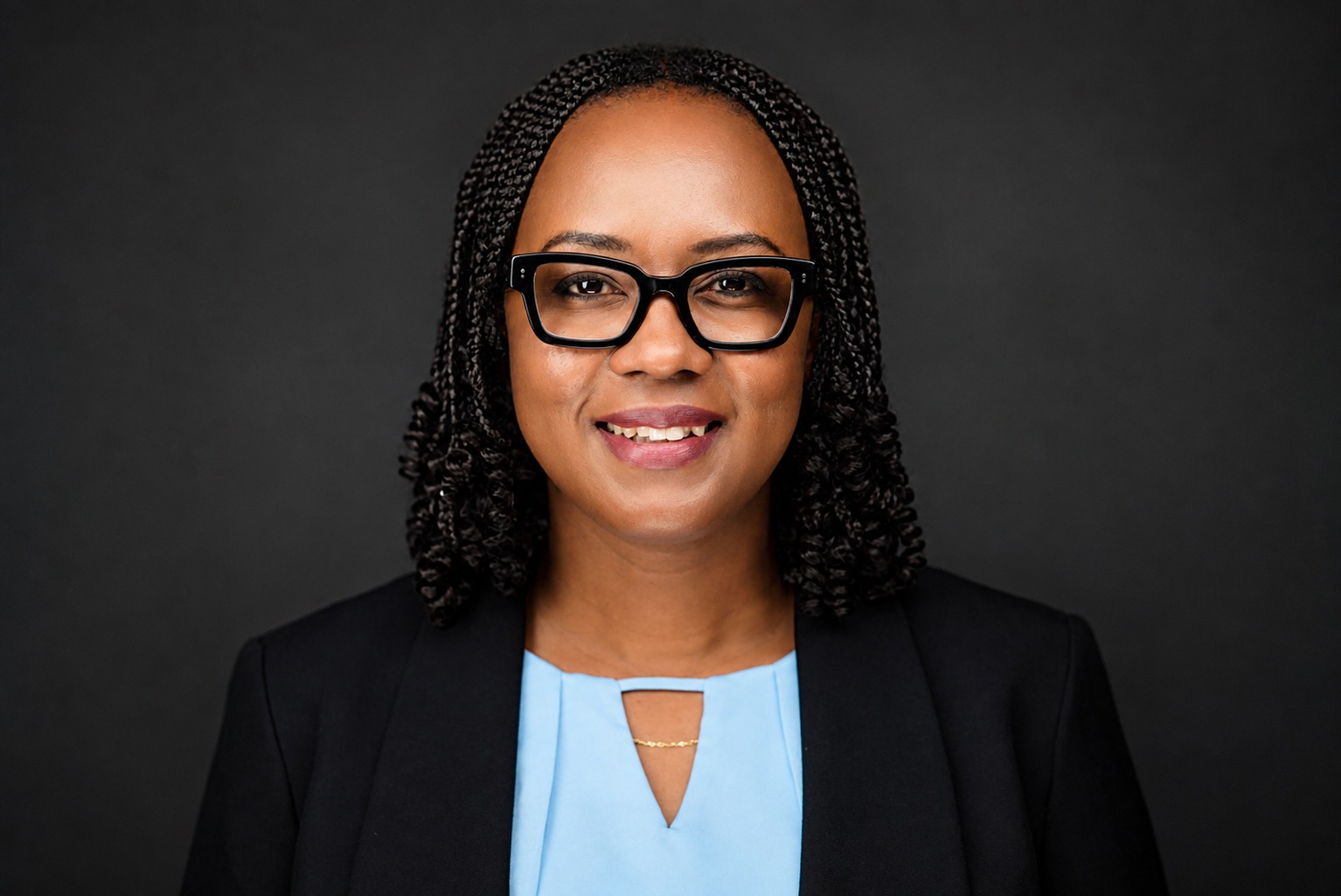
Henriette Balinda, PhD
Senior Research Scientist at UT Health San Antonio Mays Cancer Center
Dr Balinda is a cancer biologist and translational research scientist whose work centers on the molecular mechanisms of tumor invasion, brain metastasis, and therapeutic resistance. Her research integrates preclinical modeling, molecular biology, and early-phase clinical investigation to advance novel radiotherapeutics, antibody–drug conjugates, and metabolic therapies for breast cancer and glioblastoma. She has contributed to multiple peer-reviewed publications, including a Phase 0 clinical trial reported in Nature Communications. Dr. Balinda earned her PhD from the University of Notre Dame and completed advanced research training in South Africa. Her broader interests include cancer disparities, biomarker development, and cancer prevention, reflecting a commitment to equitable and globally relevant oncology research.

Alima Tchafa, PhD, MBA
Associate Director, Field Medical Affairs, Regeneron
Founder, CEO Feat Healthcare
Dr Alima Tchafa is a global health leader, cancer biologist, and strategic healthcare executive with over two decades of experience in basic, translational, and clinical research. Her significant roles in the industry include medical affairs, where she participated in the launch of several impactful oncology products. She has also managed clinical operations, overseeing national and international solid tumor clinical trials, and in medical writing, supporting scientific planning and execution of medical meetings and market research projects. Her academic journey includes completing high school on three continents (Africa, Europe, and North America) and holding a PhD in biomedical sciences, a master’s in biomedical engineering, an Executive MBA.
Have an opinion on this article? Send a message to the editor.