A Case Study Featuring Dr. Maria Abunto and Dr. Justin D. Pykare
Published in collaboration with AMSLE and RAMA
Introduction
The Medical Science Liaison (MSL) role is evolving toward strategic scientific collaboration beyond just relationship building. The complex healthcare landscape demands that field insights be systematically captured, synthesized, and translated into operational strategy. HCP engagements should be anchored in shared scientific objectives and driven by genuine clinical curiosity. The modern MSL must create impact by facilitating digital innovation that improves workflow and by elevating key opinion leaders (KOLs) from information recipients to strategic partners.
When insights are gathered with defined objectives and aligned priorities, partnerships shift from well-managed relationships to true scientific collaborations. Recently, members and leaders of the Aspiring Medical Science Liaisons at Emory (AMSLE) and the Rutgers Aspiring MSL and Medical Affairs (RAMA) societies came together to examine one such strategically cultivated MSL–KOL partnership that is influencing clinical decision-making and advancing patient outcomes (1,2).
A Lasting MSL–KOL Partnership is Differentiated by a Shared Clinical Problem
Dr. Maria Abunto, a seasoned Medical Science Liaison (MSL), first met Dr. Justin Pykare, Director of Health Informatics, during a scientific meeting focused on cancer screening. While many initial interactions in such settings remain transactional, this exchange quickly revealed a meaningful alignment between Dr. Abunto’s scientific insights and the clinical realities faced by Dr. Pykare and the patient population he serves.
This alignment was not incidental. Prior to the meeting, Dr. Abunto had prepared extensively by researching Dr. Pykare’s Federally Qualified Health Center (FQHC), the community it serves, and the structural and clinical barriers likely to influence implementation of screening strategies. FQHCs serve medically underserved populations and operate within unique financial and operational constraints that can influence implementation of screening strategies. This preparation enabled a more substantive scientific exchange grounded in the operational context of care delivery. As Dr. Abunto later reflected:
“Knowing that my focus was on colorectal cancer screening, having all of that information was critical to have a successful meeting, build relationships, and get feedback for my internal colleagues.” – Dr. Abunto
Dr. Pykare was navigating real barriers to patient access, including insurance coverage, social determinants of health, and workflow constraints. By addressing concerns specific to his clinical environment, the conversation moved beyond information sharing to collaborative problem-solving.
Dr. Abunto explained:
“During our conversations, I made sure to ask him what was most valuable to him—what information or support would really make a difference in his practice. This builds trust, mutual respect, and shared learning.” – Dr. Abunto
Through active listening and thoughtful questioning, Dr. Abunto identified an unexpected alignment: Dr. Pykare worked with patients in addiction clinics at risk for liver cancer, a population relevant to a diagnostic test in her company’s pipeline. That insight was shared internally, demonstrating how field insights gathered during engagement can inform future scientific and strategic planning. At the heart of these interactions was a shared commitment that Dr. Pykare clearly emphasized:
“We’re always trying to get to the same route — improve those patient outcomes.” – Dr. Pykare
Early alignment on shared clinical and scientific priorities established the foundation for a collaboration that has continued for more than six years. From the outset, the engagement extended beyond traditional scientific exchange to include identification of real-world challenges within clinical practice and consideration of how emerging evidence could inform practical solutions. This alignment enabled a sustained partnership characterized by bidirectional learning, contextualized evidence translation, and a shared commitment to improving patient care within complex clinical environments.
Over time, this collaboration moved beyond scientific dialogue to generate tangible improvements in patient care. One example emerged through efforts led by Dr. Abunto and Dr. Pykare to address colorectal cancer (CRC) screening barriers among uninsured patients within the FQHC setting. Many patients faced significant challenges accessing screening due to lack of insurance coverage. Through continued collaboration, Dr. Abunto connected Dr. Pykare and the clinical team with additional stakeholders, including leadership within the Department of Health Equity and Access. Together, the teams implemented a patient assistance program that allowed uninsured patients to access CRC screening through an external ordering portal at no cost to either the patient or the health center, helping close a critical gap in preventive care.
As the collaboration progressed, insights generated through these engagements supported further operational improvements. The initiative ultimately contributed to the development of a direct interface with the electronic health record (EHR), enabling clinicians to place CRC screening orders and receive results seamlessly within the clinical workflow. Prior to this improvement, the process required paper order forms and results to be signed, faxed, and manually uploaded into the system, creating delays and administrative burden for clinicians and staff. By streamlining ordering and results integration, the initiative not only expanded access for uninsured patients but also improved efficiency for all patients undergoing CRC screening.
From this collaboration, six elements emerged that characterize high-impact MSL–KOL partnerships.
A Framework for High-Impact MSL–KOL Partnerships
Drawing from the collaboration of Drs. Abunto and Pykare, six elements emerged as central to building partnerships that move beyond routine engagement. Each builds upon the last, with the first three forming the foundation and the latter three reflecting what becomes possible when that foundation is established.
Foundation
Preparation Grounded in Context: Effective engagement begins with researching the healthcare organization, patient population, and systemic barriers prior to first contact.
Shared Problem Definition: Meaningful partnership begins with understanding the clinician’s environment, not assumptions about their needs.
Trust, Credibility & Mutual Respect: This element sustains all others and is built over time through consistency, honesty, and genuine clinical curiosity.
What Follows
Strategic Scientific Exchange: Scientific dialogue tailored to real-world clinical context and barriers most relevant to the KOL’s patient population.
Insight Activation: Field insights are synthesized and brought back internally to inform organizational strategy, pipeline priorities, and educational initiatives.
Patient Outcomes: The purpose underlying every element of the framework and the shared commitment that keeps both parties aligned over time.
Figure 1. Core Elements of High-Impact MSL–KOL Partnerships: A Framework for Advancing Health Care.
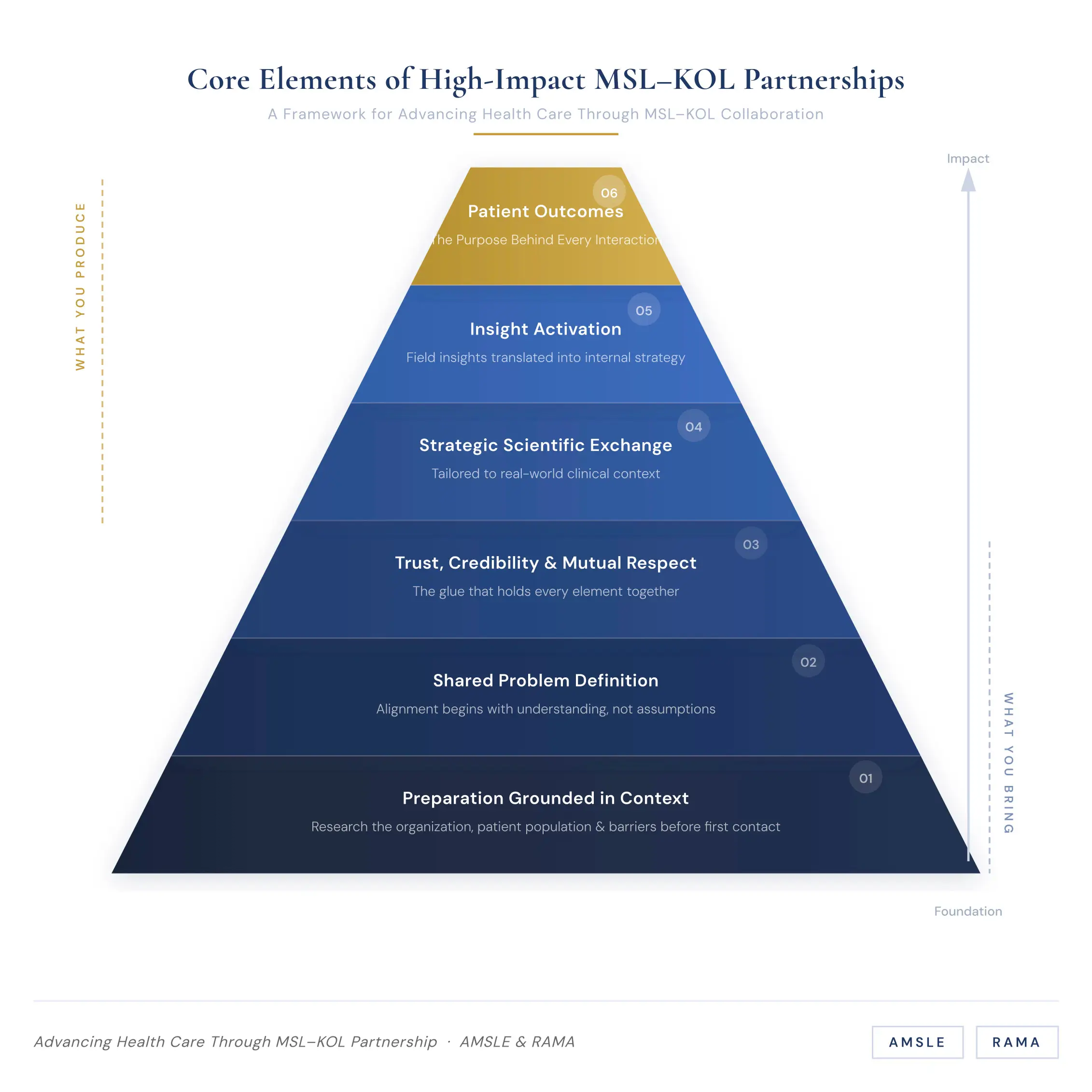
This pyramid depicts six hierarchical elements underlying effective MSL–KOL partnerships, progressing from foundational competencies (base) to patient impact (apex). Lower layers — Preparation Grounded in Context, Shared Problem Definition, and Trust, Credibility & Mutual Respect — represent what MSLs bring to the relationship. Upper layers — Strategic Scientific Exchange, Insight Activation, and Patient Outcomes — represent what effective engagement produces. MSL, Medical Science Liaison; KOL, Key Opinion Leader. Figure generated using Claude (claude-sonnet-4-6; Anthropic, 2026).
Two Perspectives, One Goal: Aligning MSL and KOL Lenses
The relationship between MSLs and KOLs reflects two complementary perspectives united by a shared goal: improving patient outcomes through the effective translation of scientific evidence into clinical practice.
From the MSL lens, engagement is rooted in strategic scientific exchange. As Dr. Abunto noted, early in her career, she believed success was primarily about mastering the science, but later realized that:
“Success comes from connecting science to strategy. I learned how deeply MSLs and KOLs shape not just research, but real healthcare decisions.” – Dr. Abunto
MSLs function as scientific bridges, communicating emerging data, gathering field insights, and translating real-world clinical feedback into internal strategies that inform research, market access, and medical affairs initiatives. Achieving this requires not only deep scientific expertise but also empathy, analytical thinking, and technological fluency as healthcare increasingly incorporates AI and data-driven tools.
From the KOL perspective, the priority is clinical practicality. Leaders such as Dr. Pykare, working in an FQHC, operate within time constraints, administrative burdens, and patient access challenges, and for them, the value of MSL engagement lies in the translation of scientific data into meaningful patient outcomes. As Dr. Pykare noted when describing the demands of his day-to-day work:
“We’re always managing competing priorities.” – Dr. Pykare
This reality shapes how clinicians approach new evidence. Rather than evaluating data in the abstract, the key question is always how it affects patients:
“As a KOL, when we’re looking at evidence, I absolutely want to make sure that the evidence will translate into outcomes and improvements for our patients.” – Dr. Pykare
This makes concise, practice-relevant interactions essential. High-impact partnerships arise when MSLs understand these realities and work alongside clinicians to translate science into actionable solutions for patient care.
Impact: What Differentiates High-Impact from Transactional Partnerships?
A key determinant of whether an MSL–KOL partnership becomes high impact rather than transactional lies in the presence of depth, alignment, and value creation. Transactional interactions are often characterized by undifferentiated or passive information transfer and output-driven metrics (quantity over quality). Such exchanges involve limited personalization, minimal follow-up, and no clear connection to the KOL’s real-world clinical challenges.
In contrast, meaningful collaboration extends beyond the delivery of scientific materials. High-impact partnerships are built on preparation, contextual understanding, and mutual strategic alignment. Recognizing this, Dr. Abunto approached the initial engagement as more than a routine introduction. Prior to the meeting, she tailored her talk to anticipate questions related to patient insurance coverage, reimbursement, and current screening guidelines, issues directly relevant to the operational realities of care within an FQHC setting.
This preparation did not go unnoticed. Reflecting on the interaction, Dr. Pykare emphasized the importance of intellectual engagement in the scientific exchange, noting that:
“One of the most important things for an MSL to do is to show clinical curiosity.” – Dr. Pykare
When engagements focus on identifying unmet clinical needs and aligning scientific evidence with real-world practice, MSL–KOL relationships can evolve into genuine collaborations capable of influencing clinical decision-making and improving patient care.
Lessons Learned: Redefining Value Through Purpose, Impact, and Shared Outcomes
For Medical Affairs organizations seeking to elevate clinical contributions of field medical teams, several themes emerge for strengthening the impact of MSL–KOL partnerships. Meaningful scientific exchange begins with contextual preparation — developing a clear understanding of the clinical environment, the patient population served, and the operational challenges facing healthcare providers. At the same time, effective training for MSLs must extend beyond scientific expertise. Competency in emotional intelligence and a broader understanding of the healthcare ecosystem — including payer dynamics, coverage, and reimbursement structures — are increasingly essential for meaningful engagement with clinical stakeholders. Ultimately, the daily activities of field medical teams should reflect the organization’s mission to connect scientific evidence with improved patient care. As Dr. Pykare observed:
“MSLs and KOLs want to align science and patient care together so we can connect patient care with business and have strong patient outcomes.” – Dr. Pykare
Conclusion: Implications for RAMA, AMSLE, and the Next Generation of MSLs
When guided by shared purpose, MSL–KOL partnerships can move beyond the exchange of information to become catalysts for meaningful change. In this case, the collaboration extended beyond improving patient care to influencing the development and mentorship of future MSLs.
For organizations such as RAMA and AMSLE, this model offers a blueprint for the future of Medical Affairs. Training the next generation of MSLs will require not only excellence in scientific communication but also technological fluency, emotional intelligence, and collaborative leadership. The partnership between Dr. Abunto and Dr. Pykare illustrates how intentionally, strategically aligned engagement can shape the evolution of field medical practice. By fostering clinical curiosity and aligning scientific exchange with real-world clinical needs, Medical Affairs organizations can prepare future MSLs to build impactful collaborations that ultimately advance patient outcomes.
“Having the opportunity to host Dr. Abunto and Dr. Pykare at multiple AMSLE events allowed our members to observe firsthand how an MSL–KOL relationship can develop into something far deeper than a transactional interaction. We are grateful to both of them for openly sharing their experiences and for helping aspiring Medical Science Liaisons better understand how thoughtful scientific engagement and genuine curiosity can translate into real improvements in patient care.” – Aspiring Medical Science Liaisons at Emory (AMSLE)
“The guidance from Dr. Abunto and Dr. Pykare has been integral to our understanding of MSL roles, the business side of the profession, and, of course, the relationship between MSLs and KOLs. The insights they shared provided us with meaningful firsthand perspectives from both an experienced MSL and a KOL, greatly enriching our understanding of the field. Their willingness to engage with our questions and support our development as aspiring MSLs was invaluable. We hope to one day contribute to the field of medical affairs by supporting evidence-based clinical decision making, translating scientific discoveries from the laboratory into real-world therapies, and helping clinicians access the resources and information they need to provide the best care for their patients.” – Rutgers Aspiring MSL and Medical Affairs (RAMA)
Disclaimer: Artificial intelligence (AI) tools, including ChatGPT and Claude, were used to assist with organization, language refinement, formatting, and figure/image generation. All scientific concepts, interpretations, and manuscript content originated from the authors, who reviewed and approved all AI-assisted outputs.
References
- MSL & KOL Partnerships: From First Contact to Real-World Impact. Virtual educational event featuring Dr. Maria Abunto and Dr. Justin D. Pykare. May 20, 2025. Hosted by Aspiring Medical Science Liaisons at Emory (AMSLE) and Rutgers Aspiring MSL and Medical Affairs (RAMA).
- Aspiring Medical Science Liaisons at Emory (AMSLE) and Rutgers Aspiring MSL and Medical Affairs (RAMA). Navigating the Healthcare Business. Virtual educational event featuring Dr. Maria Abunto and Dr. Justin D. Pykare. October 28, 2025. Hosted by Aspiring Medical Science Liaisons at Emory (AMSLE) and Rutgers Aspiring MSL and Medical Affairs (RAMA).
About the authors:

Maria Abunto, MD, MPH, MBA
Dr. Maria Abunto is a physician executive and digital health innovator with over two decades of experience building and scaling medical, clinical, and AI-enabled platforms across academia, pharma, biotech, diagnostics, and health systems. Her career spans hands-on clinical practice, NIH-based research, and senior medical leadership roles supporting technology-enabled care delivery.
A recognized AI Ambassador and featured speaker at national and international conferences, Dr. Abunto is known for translating complex science, technology, and regulatory requirements into scalable operational models. She has built and led high-performing, cross-functional teams spanning clinical operations, medical affairs, diagnostic product development, data science, and business development—successfully launching new capabilities from the ground up and operating effectively in fast-growth, high-accountability environments.
Dr. Abunto also serves as a leader of the Healthcare Businesswomen’s Association (HBA)
Pittsburgh, where she has played a pivotal role in relaunching and expanding the regional presence of the global nonprofit organization. Through strategic partnerships, sponsorship development, and community engagement, she is building a platform that advances women in healthcare leadership, entrepreneurship, and innovation across the Pittsburgh ecosystem.
In her current roles as Medical Consultant for Cancer Fund and Medical Director of AMBA Venture, Dr. Abunto advises early- and growth-stage companies on evidence generation and operational scalability. She partners with founders, sponsors, and health systems to align clinical strategy, technology, and execution—driving measurable impact for patients, sponsors, and healthcare networks while enabling sustainable growth.
Dr. Abunto is an Adjunct Professor at Duquesne University, where she teaches Public Health 101 and inspires students to think critically about improving community health.
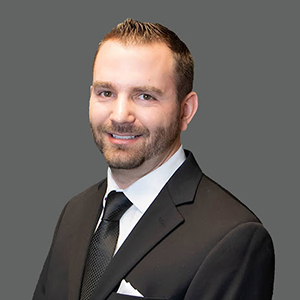
Justin D. Pykare, DNP, APRN, FNP-BC, NI-BC
Dr. Justin D. Pykare is a nurse leader, informatics strategist, and clinician-educator whose career bridges advanced practice nursing, health system innovation, and academic leadership. He holds a Doctor of Nursing Practice degree from Kent State University and is board-certified as a Family Nurse Practitioner and in Nursing Informatics. A four-time graduate of Kent State University, Dr. Pykare has built a career centered on integrating clinical excellence with data-driven strategy to improve outcomes across complex healthcare systems.
Dr. Pykare serves as Director of Health Informatics at ONE Health Ohio, a Federally Qualified Health Center dedicated to serving underserved communities across Northeast Ohio. In this role, he leads enterprise-level initiatives aligning clinical practice, analytics, and technology to advance quality metrics, strengthen chronic disease prevention, and drive value-based care transformation. His leadership emphasizes workflow optimization, data transparency, and interdisciplinary collaboration to enhance both patient outcomes and operational performance.
Committed to scholarship and professional advancement, Dr. Pykare serves on the Editorial Board of the Journal of Doctoral Nursing Practice and is an Adjunct Assistant Professor of Clinical Practice at The Ohio State University College of Nursing, where he mentors and prepares advanced practice nursing students for leadership in clinical and system-level roles. His academic and professional work focuses on responsible digital health integration, primary care innovation, and advancing nursing leadership through informatics.
Grounded in faith and service, Dr. Pykare is deeply devoted to his wife and their five children. Outside of his professional work, he enjoys running, fitness, and investing time with his family. His mission remains steadfast: to improve access, equity, and quality of care for underserved populations through compassionate leadership and purposeful innovation.
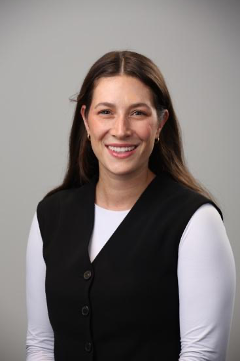
Alexa A Snyder
Alexa (Lexi) Snyder is a PhD candidate in Biochemistry, Cellular and Developmental Biology at Emory University, where her research focuses on understanding the mechanisms of HIV-1 drug resistance and hypersusceptibility. Her work integrates structural biology, virology, and biochemical approaches to examine how viral mutations influence treatment outcomes and inform the development of next-generation antiviral strategies. She has also contributed to projects involving HIV, SARS-CoV-2, hepatitis B virus (HBV), and MPOX antiviral and vaccine development. Over the past three years, she has played a central role in establishing Aspiring Medical Science Liaisons at Emory (AMSLE) as a chartered organization within the Laney Graduate School and now serves as its President, developing programming and industry partnerships that provide trainees with meaningful exposure to medical affairs careers. She believes the most impactful science happens at the intersection of research, medicine, and industry and is building her career around that space.

Nedine Abdelhamid
Nedine Abdelhamid is a PhD candidate in Biomedical Sciences at Rutgers University with a focus on Infection, Immunity, and Inflammation. She conducts research in a liver transplant laboratory studying immune dysfunction in liver transplant candidates with cirrhosis and how it may influence patient selection for liver transplantation, transplant outcomes, and post-transplant management. She serves as Co-President of the Rutgers Aspiring MSL and Medical Affairs (RAMA) Group, where she collaborates with leadership to coordinate industry speaker events and professional development opportunities for trainees and professionals interested in medical affairs careers. Her goal is to contribute meaningfully to the field of transplantation by helping translate scientific discoveries into improvements in transplant care and therapeutics that improve patient outcomes and support evidence-based clinical decision-making
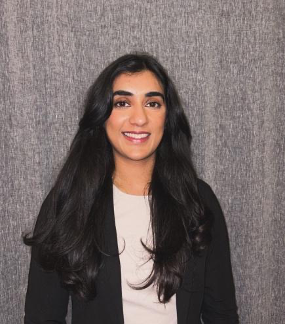
Sumiyya Raheem, MS
Sumiyya Raheem is a PhD candidate in molecular biology, genetics, and cancer at Rutgers New Jersey Medical School. Her research focuses on TRPV6 ion channel physiology and modulation. This work has contributed to peer-reviewed publications in molecular biology journals as well as presentations at international conferences, most recently the Biophysical Society Meeting. In addition to her research, she has taken on multiple leadership roles including serving as a co-president of Rutgers Aspiring MSL and Medical Affairs (RAMA) Group, where she collaborates with where she collaborates with leading medical affairs professionals to develop and coordinate industry speaker events and professional development initiatives for trainees and professionals interested in medical affairs careers. She is passionate about operating at the intersection of science and industry, translating complex research into strategic insights that support innovation and improved patient outcomes.
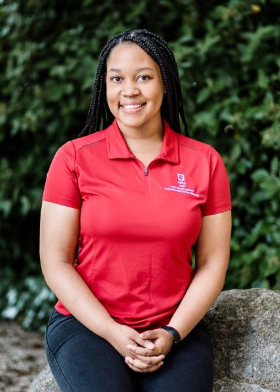
Jonica L. Brown
Jonica Brown is a PhD candidate in the Molecular and Systems Pharmacology program at Emory University, where her research focuses on the role of cholesterol in modulating the cystic fibrosis transmembrane conductance regulator protein (CFTR) ion channel dysfunction in the rare disease, cystic fibrosis. She serves on the executive board of Aspiring Medical Science Liaisons at Emory (AMSLE) as Financial Officer, where she organizes networking and educational events that introduce trainees to career opportunities within medical affairs while overseeing the organization’s financial planning and budget management. Jonica is passionate about translating complex scientific data into meaningful dialogue and looks forward to a career in medical affairs where she can combine scientific communication and relationship building to help advance clinical practice and improve patient outcomes.

Pragya Saxena, PhD
Pragya Saxena, PhD, is a postdoctoral scientist at Emory University with over six years of translational research experience in inflammation, immunology, and neuro-urology. Her research has focused on identifying inflammatory mechanisms underlying bladder dysfunction and neuropathy, combining pharmacologic, genomic, and computational approaches to better understand disease pathways. Through collaborations with clinicians, engineers, and healthcare stakeholders, she has developed a strong interest in translating scientific discoveries into clinically meaningful insights. Pragya is actively engaged in the Medical Affairs community through the Aspiring Medical Science Liaison Society at Emory, where she organizes professional development programs and facilitates dialogue between trainees and industry medical affairs leaders.

Luis Garza-Martinez
Luis Garza-Martínez is a PhD candidate in Biomedical Sciences at Rutgers New Jersey Medical School. His journey in science began after coming to the United States on a tennis scholarship, where he competed for New Mexico State University. His experiences as a research technician, first during his undergraduate studies and later at NYU, sparked a strong interest in science and ultimately led him to pursue a PhD.
His research focuses on how cellular senescence shapes the metabolism and immune function of CD8+ T cells in the context of biological aging. This work has contributed to peer-reviewed publications in immunology and aging research, as well as presentations at international conferences. At Rutgers, he also co-founded and co-led the RAMA group, connecting aspiring MSLs with industry professionals and KOLs.
In addition to his academic training, Luis has gained experience in medical affairs and the pharmaceutical industry. During his internship at Haleon, he collaborated with members of other medical affairs departments to support strategic medical initiatives and contributed to advisory board planning.
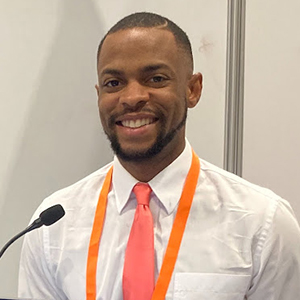
Christopher Simmons, PharmD
Christopher Simmons is an aspiring Medical Science Liaison with over eight years of experience in community pharmacy. Currently serving as the Pharmacy Affairs & External Scientific Engagement Chair for the AMSLE Executive Board, Chris plays a pivotal role in bridging the gap between academic learning and real-world industry applications. In this capacity, he empowers AMSLE members to navigate the evolving landscape of medical affairs and drug development.
A seasoned communicator, Chris has presented at prestigious forums including ASMA, SUSOP, and SCCM. His signature style blends rigorous data with compelling storytelling, ensuring complex clinical information resonates long after the presentation ends. Deeply passionate about advancing diabetes management, Chris is known for his infectious energy and his ability to foster collaborative, high-impact relationships across the healthcare ecosystem.
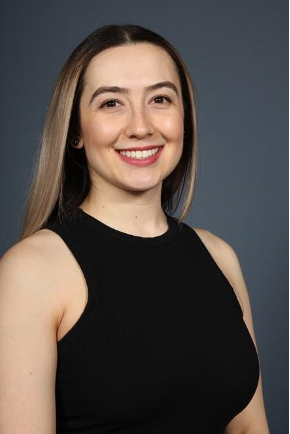
Luisa Fernanda Gomez-Alatorre, PhD
Dr. Luisa Fernanda Gomez-Alatorre is a Medical Science Liaison at Eisai, where she supports scientific exchange within the neurology therapeutic landscape. She holds a PhD in Neuroscience from Rutgers University and has over a decade of research experience spanning neuropsychiatric disorders, neurobiology, and translational neuroscience. In her role, she engages with healthcare professionals and key opinion leaders to facilitate evidence-based dialogue on disease mechanisms, biomarkers, and emerging therapeutic approaches in neurodegenerative disease. Dr. Gomez-Alatorre is also a co-founder of the Rutgers Aspiring MSL and Medical Affairs (RAMA) group and is passionate about advancing scientific communication, mentorship, and collaboration across the medical affairs community.
Have an opinion on this article? Send a message to the editor.