Cell and gene therapies (CGT) are consistently revolutionizing the ability of medicine to treat or even cure diseases that were historically difficult to diagnose and treat. Sophisticated therapies, such as Chimeric Antigen Receptor (CAR) T-cell and in vivo gene editing, work to treat diseases by targeting their underlying cause. However, with this advancement, new levels of complexity arise, such as intricate logistics and novel ethical concerns. Thus, CGTs require a fundamentally new way of field medical approach.
With 33 gene therapies, 35 RNA therapies, and 71 non-genetically modified cell therapies approved globally1, Medical Science Liaisons (MSLs) are adapting quickly to serve the specialized functions of CGT. They maintain their traditional role as facilitators of scientific collaboration and education, while also adopting new roles as strategic partners who inform operational planning, assure ethical transparency, facilitate real-world evidence generation, and build robust relationships between diverse healthcare stakeholders. They serve a critical role in seeing that these therapies get to patients safely, compliantly, and effectively.
Ethical Clarity in a High-Stakes Environment
CGT therapies are viewed as a breakthrough by patients, caregivers, and providers, which creates heightened excitement. The excitement is accompanied by an obligation to manage expectations carefully. MSLs are well-placed to assist providers in achieving that balance by providing timely, balanced, and scientifically valid information.
Most CGTs are designed as one-time treatments, but they may pose unforeseen long-term risks. MSLs enable knowledgeable clinical decision-making by providing clinicians with extensive details to inform patient deliberations. With regulatory agencies demanding prolonged safety monitoring from 5 to 15 years2, MSLs assist treatment centers in adhering to long-term follow-up guidelines, gathering post-treatment data, and instituting documentation processes that promote patient safety and meet regulatory requirements.
Real-World Evidence and Post-Approval Commitments
Many CGTs receive approval based on limited clinical trial data due to the rarity or urgency of the condition. Therefore, long-term safety and efficacy need to be demonstrated in the post-approval environment, highlighting the importance of real-world evidence. MSLs play a crucial role in collaborating with sites to enable long-term follow-up studies, to identify investigators for post-marketing studies, and to determine the necessity for registry involvement. They also make certain that information is recorded properly and is of clinical significance. In certain instances, MSLs assist in communicating these results to payer organizations, illustrating the long-term value and effectiveness of treatment results beyond clinical trials.
By working in coordination with health economics and outcomes research (HEOR) teams, MSLs provide insights into how patients change over time. These findings underpin reimbursement systems and form the foundation for increasing access to these treatments as they move toward wider clinical application.
Operational Preparedness: A New Horizon
CGT administration is frequently very personalized and time-critical, necessitating exact interdepartmental coordination. Every step, beginning with apheresis to cell processing to infusion of the final product, must proceed faultlessly. MSLs play a significant role in getting new sites ready for CGT administration. They assist in onboarding procedures, train clinical personnel on chain-of-custody and identity practices, and offer storage, handling, and administration guidelines.
This participation illustrates the broader reach of the MSL’s role within CGTs. In this setting, MSLs are collaborative partners, aiding in the overcoming of regulatory, logistical, and site-specific obstacles. When issues such as production delays or cell viability issues occur, MSLs are frequently the first to recognize the issue, provide internal coordination, and deliver timely resolutions to healthcare providers. Their involvement is critical in keeping therapies on schedule and in compliance with regulatory standards.
A Wider Stakeholders Network
Due to the wider stakeholder network requirement in CGT, MSLs often interact with more than physicians. They deal with clinical pharmacists, genetic counselors, infusion nurses, transplant coordinators, lab technicians, payers, and even hospital policy makers. Every audience requires a specific approach. A genetic counselor might request the mechanism of action information, whereas a payer might request comparative outcomes or long-term safety data. CGT MSLs need to be able to communicate complex science into meaningful, accurate messages for each audience.
Internally, these MSLs communicate field intelligence to regulatory, operations, field quality, process optimization, market access, and commercial teams. This cross-functional alignment helps to elevate real-world issues early and resolve them through synchronized, nimble responses.
Advancing Competencies for a New Era
To be successful as CGT MSLs, they need to acquire a unique skill set. They need to be experts in molecular biology, immunology, and gene editing. A firm understanding of data analysis, pharmacovigilance, and international regulatory environments applicable to advanced therapies is thus essential.
Soft skills and emotional intelligence are in high demand in this groundbreaking space. MSLs need to establish trust at speed, convey information accurately, and be flexible in the face of rapidly changing timelines, safety data, or logistical requirements. Most are investing in professional development with CGT-focused training programs, participating in advanced therapy workshops, and gaining experience in such areas as health economics, supply chain logistics, and prolonged patient monitoring. The synergy between scientific knowledge and operational adaptability defines a successful CGT MSL, a trait that will only gain relevance as the field progresses.
Conclusion
Cell and gene therapies are revolutionizing, with MSLs at the forefront. Their work includes implementation, education, safety monitoring, and long-term success of these complex therapies. CGT MSLs bring scientific rigor to clinical delivery. They connect departments, streamline workflows, and assist patients in receiving novel therapies safely and effectively.
As additional CGTs are approved, the need for successful MSLs that lead with both scientific and operational capabilities will grow. Investing in their development is not merely a good strategy; it is imperative. By cultivating CGT MSLs, organizations can help turn the amazing promise of advanced medicine into real, meaningful, and lasting outcomes for patients.
Disclosure:
The views, thoughts, and opinions expressed in this article belong solely to the author and do not necessarily reflect the views or positions of any other individual, organization, employer, or company associated with them.
- American Society of Gene & Cell Therapy, and Citeline. 2025. Gene, Cell, & RNA Therapy Landscape Report: Q1 2025 Quarterly Data Report. April 17, 2025.
- U.S. Food and Drug Administration. 2020. Long Term Follow-Up After Administration of Human Gene Therapy Products: Guidance for Industry. January 2020.
About the author:
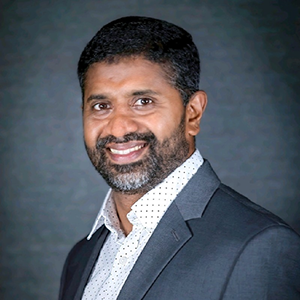
Sanil Sansar, PhD
Sanil Sansar is a seasoned Senior Medical Science Liaison in hematology and cell therapy. He currently serves as a Senior MSL at Gamida Cell, where he supports innovative therapies in the stem cell transplant field. He has over 5 years of experience in medical affairs, including prior roles at Sanofi and Kadmon Pharmaceuticals, where he supported launch and post-approval education and research efforts in chronic graft-versus-host disease (cGVHD) and rare diseases.
Sanil brings deep expertise in engaging transplant centers, interpreting complex data, and identifying unmet needs in stem cell transplantation and multiple myeloma areas. He has played a key role in onboarding major academic institutions, developing tailored engagement plans to drive awareness and optimize clinical integration of novel therapies. Sanil is passionate about improving patient access to transformative therapies and continues to advocate for innovation in hematologic malignancies and cellular medicine.
Have an opinion on this article? Send a message to the editor.