The Medical Science Liaison (MSL) profession has always been at the forefront of bridging the gap between pharmaceutical companies and healthcare providers. With the advent of artificial intelligence (AI), the role of MSLs is undergoing a significant transformation. Chatbots, powered by AI, are emerging as valuable tools in this field, offering new ways to enhance efficiency, personalization, and engagement.
Chatbots have evolved from simple, rule-based systems to sophisticated conversational agents capable of understanding and responding to complex queries. In the MSL profession, chatbots can assist in various tasks, such as data analysis, information dissemination, and interaction with healthcare providers. According to a recent report by the World Economic Forum, AI-enabled health technologies, including chatbots, are expected to play a crucial role in the future of healthcare. One of the primary advantages of chatbots is their ability to process and analyze vast amounts of data quickly. This capability allows MSLs to gain deeper insights into patient populations, treatment outcomes, and emerging trends. By leveraging AI, chatbots can identify key opinion leaders (KOLs) and predict which healthcare providers might be most interested in specific medical advancements. This targeted approach enhances the relevance and effectiveness of MSL engagements.
Human MSLs vs. Chatbot MSLs
While chatbots offer numerous benefits, it is essential to compare their capabilities with those of human MSLs. Human MSLs bring empathy, emotional intelligence, and the ability to navigate complex social interactions. They can build trust and rapport with healthcare providers, which is crucial for effective communication and collaboration. On the other hand, chatbots excel in providing consistent, evidence-based information and are available 24/7. They can handle repetitive tasks, such as answering frequently asked questions, allowing human MSLs to focus on more strategic activities. Additionally, chatbots can analyze data from past interactions to offer personalized recommendations and summaries, improving the efficiency of MSLs. However, chatbots still face limitations in understanding nuanced human emotions and cultural contexts. While they can simulate conversations, they lack the depth of understanding that human MSLs possess. Therefore, a hybrid approach, where chatbots and human MSLs work together, can be the most effective strategy.
Future Scenarios: Dependence on Chatbots
As AI technology continues to advance, the MSL profession may become increasingly dependent on chatbots. Here are a few potential scenarios:
Chatbots could become integral in analyzing real-time data from clinical trials, patient feedback, and medical literature. This would enable MSLs to provide more accurate and timely information to healthcare providers, ultimately improving patient care.
With advancements in natural language processing and machine learning, chatbots could offer highly personalized interactions with healthcare providers. They could tailor their responses based on individual preferences and past interactions, making engagements more relevant and impactful.
AI-powered chatbots can continuously learn from new data and adapt their responses accordingly. This would ensure that MSLs are always equipped with the latest knowledge and can stay ahead in a rapidly evolving medical landscape.
As chatbots become more prevalent, ethical and regulatory challenges will need to be addressed. Ensuring transparency, maintaining patient confidentiality, and managing conflicts of interest will be critical to the successful integration of chatbots in the MSL profession.
In conclusion, the evolution of chatbots in the MSL profession presents exciting opportunities for enhancing efficiency, personalization, and engagement. While chatbots offer significant advantages, the human touch remains irreplaceable. A balanced approach, leveraging the strengths of both chatbots and human MSLs, will be key to navigating the future of this dynamic profession.
References:
https://themsljournal.com/article/the-transformative-potential-of-ai-in-the-medical-science-liaison-profession/
https://www.engineeringletters.com/issues_v32/issue_4/EL_32_4_19.pdf
https://themsljournal.com/article/from-data-to-action-how-ai-is-reframing-medical-departments/
https://www.clearpointhealth.com/blog/shaping-the-future-evolving-trends-in-msl-and-kol-engagement
About the author:
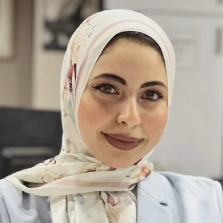
Yasmin Hamdy Mohamed Hussien
My name is Yasmin Hamdy Mohamed Hussien. I was born in Upper Egypt, in El Minya Governorate. I obtained a bachelor’s degree in pharmacy with distinction (Class of 2022) from Deraya University in Egypt. I studied Pharmaceutical Medicine Postgraduate Program at King’s College London. I am a Scholar at Deraya University Center for Research and Sustainability, and a Peace, Health, and Climate Mobility Scholar at the Boutros-Ghali Chair for Sustainable Peace. Also, I served as a Reviewer at the Oxford COVID-19 Government Response Tracker at the University of Oxford. I serve as a writer at the Oxford Personalised Medicine Society (OPMS) Gene’ Zine Magazine. Additionally, I serve as a Focal Point of Boutros-Ghali Chair for the Partnership for Maternal, Newborn & Child Health (PMNCH). Furthermore, I am a UNHCR Young Champion for Refugees. I am the Author of the Child-Friendly Text of the Paris Agreement and the Co-Author of the Child-Friendly Text of the UN Palermo Protocol. My main passion for scientific journalism is to upgrade young people’s mindsets in the context of life science and medical practice.
Have an opinion on this article? Send a message to the editor.