In the professional development of Medical Science Liaisons (MSLs), the industry typically prioritizes a “hard-skill” trifecta: therapeutic mastery, clinical data fluency, and formal communication. Training modules usually focus on clinical data results, disease state presentations, objection handling, and alignment with medical strategic imperatives. Yet, the invisible skill that differentiates good from impactful MSL remains largely underdeveloped: the ability to read the room.
This goes beyond understanding simple body language. In the context of scientific exchange, this refers to the capacity to interpret intent, energy, pacing, and unspoken cues and adjust accordingly. It is during this real-time calibration that scientific exchange becomes a strategic partnership.
The importance of this dynamic is not merely anecdotal. According to a multi-organization position statement on MSL best practices published in Therapeutic Innovation & Regulatory Science, “excellent communication and interpersonal skills are essential” for establishing the credibility necessary for productive scientific exchange.¹ While scientific acumen provides the ticket to entry, the ability to navigate one’s approach to the immediate interpersonal environment often dictates whether that entry leads to a meaningful clinical impact.
Interpreting Response Latency
The speed of response is often the most immediate indicator in a scientific exchange. When a Key Opinion Leader (KOL) offers rapid, confident feedback, it usually signals a high level of familiarity with the existing data or therapeutic landscape. In these moments, looping back to foundational slides is a missed opportunity. The real opportunity lies in advancing the dialogue towards subgroup analyses, nuanced data interpretations, or future implications for practice.
Conversely, measured pauses may reflect uncertainty or critical evaluation of the subject. Effective MSLs recognize these moments and resist the urge to fill the silence. By allowing for reflection, the MSL respects the KOL’s analytical rhythm, often leading to much more profound clinical insights than a rushed presentation would allow.
Recognizing “Leaning In” vs. Disengagement
A KOL’s shift in posture, a change in vocal tone, or a sudden drill-down into patient selection criteria are all signals of heightened engagement. These are “green lights” for the MSL to abandon a rigid agenda. The most impactful interactions are rarely the ones that follow a slide deck linearly; they are the ones where the MSL has the agility to follow the KOL’s curiosity.
Equally informative are the areas that receive little engagement. When a KOL skips over certain discussion points or data points, that is equally informative as it may reflect skepticism, competing priorities in practice, or perceived irrelevance. Rather than pushing through these points defensively, seasoned MSLs lean into the silence with curiosity. Using open-ended questioning to uncover why a certain dataset feels irrelevant can provide the home office with more strategic insights.
Moving Toward Adaptive Field Medical Work
As the MSL role matures, our training modules should evolve. Preparation for field work should encompass not only the what of the science, but also the how of the interaction. Reading the room is not just a mysterious “soft skill” only for a charismatic few; it is an analytical discipline developed through deliberate practice and reflective mentorship. Incorporating training on situational awareness, conversational pacing, and active listening into field medical development programs may enhance both individual performance and organizational impact.
References
- Theron P, Britland M, Holder D, Ikeda Y, Rewers RF, Tiku A. Promoting Best Practices for Medical Science Liaisons Position Statement from the APPA, IFAPP, MAPS and MSLS. Ther Innov Regul Sci. 2021;55(6):1139-1144. doi:10.1007/s43441-021-00310-y
About the author:
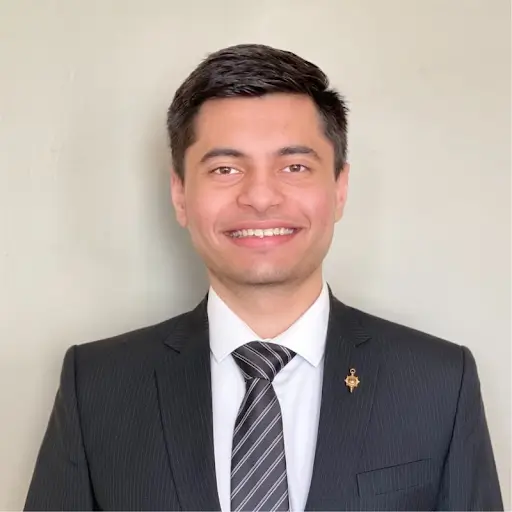
Rohan Zaveri, PharmD
Rohan Zaveri is a Medical Science Liaison in Neuroscience at Takeda Pharmaceuticals. He completed a Global Medical Affairs Fellowship with Takeda and Northeastern University with experiences in neuroscience, rare diseases, and immunology TA. Dr. Zaveri has authored and presented research at national conferences and is passionate about advancing education and collaboration in the sleep medicine field.
Outside of work, Rohan is a certified breathwork and meditation instructor dedicated to improving mental health and well-being in his community. He enjoys hiking, painting, and playing the ukulele, and is passionate about integrating mindfulness and creativity into professional and personal growth.
Have an opinion on this article? Send a message to the editor.